Bahk Eun-ji has been with The Korea Times since 2012, building a career across multiple desks. She began at the Business Desk, where she conducted in-depth interviews with key figures in Korea's corporate world. Later, she moved to the Politics & City Desk, focusing on education policy and social affairs. She later served as team leader of the digital content team, leading curation efforts on the newspaper’s homepage and reshaping print stories for social media audiences to enhance digital reach. Now back on the Politics Desk, she covers the National Assembly and the Ministry of National Defense, with a renewed focus on political developments.
'Harassment prevention course' to be mandatory for would-be teachers
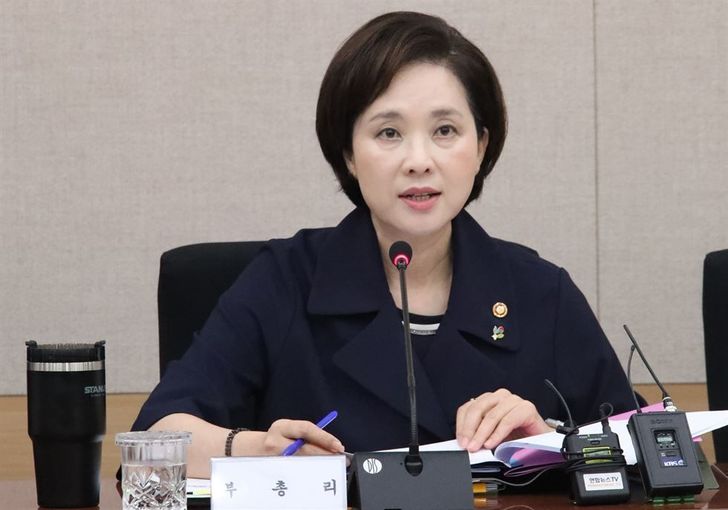
Education Minister Yoo Eun-hae announces the government's plans to root out sexual violence in school, during a ministerial meeting at the Government Complex Seoul, Friday. / Yonhap
By Bahk Eun-ji
By Bahk Eun-ji
Would-be teachers will have to take a course on the prevention of sexual harassment and assaults to get their teacher's license, in a government effort to root out sexual violence on campus and crimes committed by educators, the Ministry of Education said Friday.
Those who have been found guilty of or punished for sexual violence during their college days will also be banned from becoming teachers.
These are parts of new requirements for students of education universities and colleges working to obtain teaching licenses.
They followed cases where former and current male students at education colleges shared sexually abusive and misogynistic remarks toward their female peers or even young female students they taught, in group chatrooms.
During a meeting at the Government Complex Seoul, the ministry and relevant authorities agreed to revise laws related to teaching licenses during the second half of the year.
According to the revision, new courses on sexual harassment and sexual abuse prevention will be mandatory subjects in education universities and colleges nationwide.
“The decision is to raise gender sensitivity among educators to make the educational environment safe from sexual violence,” Education Minister Yoo Eun-hae said in an opening statement at the meeting.
The ministry will also conduct a biennial survey of students and teachers of middle and high schools about the awareness of gender equality and sexual violence in September, and publish the results on school information portals. It will also make public how each university is managing sexual violence counseling offices and dealing with reported incidents.
When talking disciplinary action against teachers or educators who have committed sexual crime, the ministry will also provide the victims with information on this by revising the relevant law. Under the current law, victims are not informed of what actions have been taken against the offenders.
These measures come after former and current male students at a number of education universities across the country have been embroiled in sexual harassment cases where they showed misogyny and insensitivity to sexual violence in group chat conversations.
Male students at Gyeongin National University of Education's physical education department were found to have shared sexually abusive comments about their female peers in a group chat room.
Male students of Seoul National University of Education's elementary school education department also made sexually abusive comments about female students by judging their appearance.
Criticism and calls mounted for disciplinary action against them, specifically because they are future teachers, while some were already working as educators.