Dangers of organizational practices
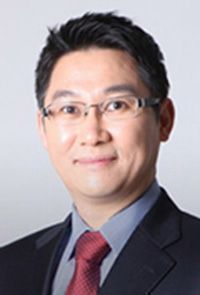
By Kim Jong-nam
Organizations striving to improve themselves typically focus on organizational culture. They might use a survey to determine what areas to work on. However, since these surveys only cover organizational culture, organizational practices―i.e., mores or conventions―are largely left out. Ignoring these is a major blind spot and may lead to irregular, unethical, or even corrupt behavior.
Practices are distinct from culture in the strictest sense because practices belong to the field of organizational climate. I believe this exclusion is an error: practices significantly affect culture and are the reason why change may not actually take place. If people are unable to change their practices, they become prisoners to them. This is particularly true for government organizations, which emphasize ethical and integrity-based cultures. Their long-standing practices make it so that cultural problems are not addressed but aggravated.
In some organizations with faulty practices, it is not rules that govern, but organizational particularities. For example, in organizations in which expertise is highly valued, there may often be a collision between what ought to be done according to the rules and what ought to be done according to the experts. People who are deemed to have the highest level of expertise often have the authority to ignore general rules, thereby planting the seed of malfunctioning practices. This can happen in government organizations, but it is particularly easy for hospitals, law firms, accounting firms, and research organizations to end up in this situation because they are full of high-level experts. I have personally heard employees of government research organizations argue that their organizations should not have strict and universal rules (e.g., like financial institutions and integrity), because they need flexibility in order to innovate and be creative. However, it is this very flexibility that breeds malfunctioning practices when there is a lack of supervision. It can also lead to unfairness: for example, since there are no rules that govern how much PhD students are compensated for their research, the amount is often left up to the professor, creating a situation in which students are paid wildly differently depending on who their supervising professor is.
However, government organizations can sometimes actually commit errors in the opposite direction: they overemphasize rules and show an unwillingness to make exceptions. This comes about because of a sense of fairness: as a government organization, the reasoning goes, we should treat everybody equally and transparently. Organizations like this apply guidelines or regulations unilaterally, which often causes complaints from or discomfort for a specific part or department of the organization that may genuinely require different treatment from the rest. These departments then try to find ways to bypass these universal rules, which leads to the same lack of supervision as the type of organization described in the previous paragraph, causing malfunctioning practices and perhaps even malfeasance. Furthermore, people with high authority inside the organization might also bypass rules.
If so, how can we address this organizational malady? Should we aim for a consistent, universal, and fair system, or acknowledge differences and allow for flexibility?
1. There should be a differentiation between rules that should be applied universally and rules that are meant to be applied on a case-by-case basis. It should be very rare to make spontaneous exceptions. Even high-level experts should abide by the rules, and if they break them, they need to explain themselves and face consequences. If there is conflict between a general rule and a rule for specific situations, the latter should be scrutinized with the utmost care.
2. In order to prevent some problems from becoming permanent, supervisory departments should exist (or the organization should use external experts). People in many organizations believe that those with seniority in a specific field have “more rights” than other employees. As logical as it might seem to bow to seniority, this is exactly the kind of situation in which power can be abused, intentionally or unintentionally.
3. The common response to misdeeds is the creation of new policies. However, in order to fully address them, the hidden cause of these actions must be uncovered. People know what will happen when they commit fraudulent acts, but they still commit them, which suggests that the motives are often complex: for example, a behavior might have not felt like an individual choice but rather an exigency of the situation or culture.
A word of warning: Many organizations will be tempted to fix practices through training. But organizations in which training has become a mere formality will not find that practice to be effective in changing practices, because training has itself become (mindless, routinized) a practice.
Cultures are learned behaviors. Thus, in order to create a culture with good behaviors, we should be careful when deciding what must be universally applicable and what should be reserved for specific situations.
Kim Jong-nam is the founding CEO of META (www.imeta.co.kr) and a global organizational development consultant who works both virtually and in person.