What makes us happy and healthy
By Shin Freedman
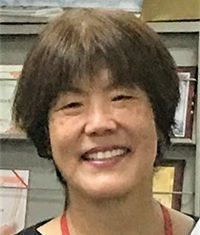
The sixties' adage, loneliness in a crowd, has reappeared during the COVID-19 pandemic and spread of the subsequent Delta Variant. People around the world have experienced loneliness, and deep concerns over death and dying according to the statistics delivered by the media. Is it possible to think about what makes us happy and healthy, rather than feeling doom and gloom?
The conventional wisdom suggests that we eat healthy, balanced meals and rest and sleep at least 7 hours. Physical exercise will bring happiness and health to our lives, they say. The World Health Organization added three more: happy parenting, quitting smoking and nurturing mental health. Continued isolation has exacerbated loneliness in both the young and the old.
Feeling out of control, helpless and isolated during the pandemic outbreak made us feel less than who we really are. Feeling loneliness in a culture where we often do not share our inner thoughts freely is difficult to deal with in addition to all the other unusual events around us. Feeling disconnected with my grandkids, family members and friends, I desperately wanted to get something under my own control. I pondered what makes me happy and healthy.
During this time, I found myself obsessed with the clutter in my house. Room by room, I discarded unused, unwanted items and kept only what made me happy and sparked joy to have around. I also spent time reorganizing, relocating and reshelving to make things easier to access. OCD? Perhaps. I had the time to do this. If I had had the normal luxury of accomplishing these tasks otherwise, I would have done one room per year, if it at all.
There are more “to dos,” I found. The more I cleaned up, the more I saw things that needed to be reorganized: cyberspace, home office space, and family living space, even the garage space and the basement. At the end of this unusual cleaning madness, I felt a small sense of returning control.
A reader from the Thoughts of the Times column reached out to me. Although his English was excellent, he apologetically said he wanted to express himself in Korean. Then he shared his reactions to my column in a joyfully honest manner. I must say his delight and excitement was contagious. The reader took the trouble to find me and connected indirectly through my husband.
Later I learned that my husband had met this person some years before. This experience was rather pleasant because the reader made an effort to connect the dots from his reaction to my column to a person he knew. How the writer and the reader became connected through an Opinion column and shared feelings had a profound ripple effect. Through this unexpected connection, I felt happy and healthy.
According to a Harvard Study on adult development, having quality relationships with close family members turns out to be the best medicine. This study is the longest study conducted for over 80 years at Harvard. It asked the study participants what makes them happy every 2 years with the same questions. The study identified the importance of having good relationships with the people around them. The social connections enabled them to better endure the ups and downs of their physical ailments with emotional resilience.
Connecting with endearing people around me makes me happy and healthy. Talking to our grandkids via FaceTime makes me happy, even though their reactions may be limited to a short spurt of a single word or hand gesture. As a starting point, I picked up my smartphone and started talking to friends or relatives with whom I haven't talked for a while and just asked, how are you? Or what are you going through? Reaching out and getting connected with people I care about makes me happier and healthier. I believe it might work for you as well. Why don't you try it?
Shin Freedman is the author of “A Doll for a Day: Growing Up in Post-War Korea.” She can be reached at
shinfreed@gmail.com
.