VIEW The game changers for peace and security in Asia
By Toh Kim Hor
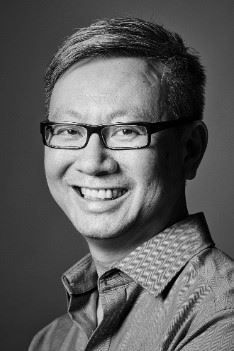
Kim Hor Toh
United Nations Security Council Resolution 2250 (UNSCR 2250), unanimously adopted in 2015, stresses the importance of youth participation in peace building.
The resolution is considered the first of its kind by the council to focus on youth, peace and security. It urges member states to consider setting up mechanisms that would enable young people to participate meaningfully in peace processes and conflict resolution.
This year's Shangri-La Dialogue was held amid a breakdown in trade talks between the U.S. and China. Tariffs and technology barriers followed immediately and these events, as Singapore's Defense Minister Ng Eng Hen remarked, “have altered the trajectory of this region into an altogether different orbit.”
As expected of Asia's premier security summit, many important defense-diplomacy meetings were conducted, but one important program, which I felt was overlooked by many, was the Southeast Asian Young Leaders' Program (SAYLP). This, unfortunately, received little international news media coverage.
The SAYLP, which runs parallel to the Shangri-La Dialogue, featured insightful debates about the region's most pressing security challenges, with fresh solutions proposed by participating youth.
Social media responsibility and human security were also discussed in the SAYLP seminar. From my perspective, we have to be mindful about the adverse effects of the “filter bubble” in social media use, where content encountered on websites and social media feeds will end up returning information already attuned to the user's preference. This creates a condition that internet activist Eli Pariser cautions: "In an age when shared information is the bedrock of shared experience, the filter bubble is a centrifugal force, pulling us apart".
Concerning human security, we should argue for a paradigm shift in articulating the state's priority toward the well-being and security of ordinary people, so as to avoid the Thucydides Trap. I believe it was at the U.N. DPI/NGO Conference in June 2016 in Gyeongju that "we the peoples" committed ourselves to "an ethos of global citizenship" and called for people-centered multilateralism to find global solutions to global problems.
In human rights activist Daisaku Ikeda's 2019 peace proposal titled “Toward a New Era of Peace and Disarmament: A People-Centered Approach,” he mentioned that while the idea of people-centered multilateralism was originally proposed in the context of promoting the achievement of the U.N. Sustainable Development Goals, he believes it can also contribute significantly to shifting current world events toward disarmament.
Ikeda states: “Just as Secretary-General Guterres warned at the launch of the U.N. Disarmament Agenda, world military spending continues to increase while the resources available to respond to humanitarian crises are inadequate. Every year, on average, more than 200 million people are impacted by natural disasters. Similarly, 821 million people were suffering from hunger as of 2017, and nearly 151 million children under the age of 5 were experiencing stunted growth as a result of malnutrition. Such facts as these compel us to question the meaning and objectives of existing national security policies.”
On that note, Ikeda proposes that it is through the ongoing accumulation of experiences of mutual assistance and collaboration in responding to humanitarian crises and environmental challenges that we foster trust and a sense of security to ease the tensions and conflicts we face today. From there we should be able to find our way out of the security dilemma in which we are currently mired.
Based on the outcomes from the SAYLP, together with the many discussions I had with the young participants at the Shangri-La Dialogue, I find many youths earnestly collaborating toward seeking solutions for the security challenges confronting humanity based on a shared vision of what constitutes a peaceful world. I am convinced that they are the game changers for peace and security in Asia.
I also sincerely hope we can mainstream youth participation, take their views into account during conflict resolution and foster people-centered multilateralism to co-create a shared vision for the future.
In June 2018, human rights activists Adolfo Perez Esquivel and Ikeda issued a joint appeal to youths, rooted in their conviction that, indeed, another world is possible: “The lives and dignity of tens of millions of people are violated by war and armed conflict, starvation, social and structural violence. We must open our arms, minds and hearts in solidarity with the most vulnerable in order to rectify this grave situation.”
I had a glimpse of this possibility after observing the power and passion of the youths, the game changers, who were shaping the debate at the Shangri-La Dialogue.
Kim Hor Toh is an architect and urban planner who is passionate about achieving Sustainable Development Goals 11. Kim's research interest also covers the intersection between security and development. He is on assignment as a chief architect for Temasek Holdings' wholly owned portfolio company that is “building cities and shaping lives.”