End of Soviet Union and NK
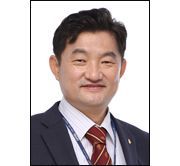
By Han Seung-bum
In 1989, a US college president waited about 50 minutes at a USSR college cafeteria for his lunch, a female worker who worked at the restaurant suddenly said, “We have run out of cabbage and can’t make any more soup, so those of you in line may want to stop waiting.” Most of those who were in line turned around to leave, but one person shouted in a self-deprecating manner, “Eta Rossia” (This is Russia!).
That moment, one thing flashed through the American college president’s mind. “Eta Rossia!” Russia was poor, is poor, and will remain poor for a long while. The Soviet regime in the USSR, which served as the hegemony among socialist states during the Cold War for 40 years, was fiction. “Russia has never had her people enjoy a good life even once.” This was part of a lecture that the president delivered at a Russian college in 1992.
North Korea staged its fourth nuclear test in early January and it looks like they’re going to conduct a fifth one. To figure out the next move for North Korea and Kim Jong-un, it would be helpful to take a look at similar cases from history. One may safely consider North Korea to be a natural son of the Soviet Union, which once served as the suzerain state for the socialist bloc.
During the Cold War, the USSR waged an arms race with the US with its nuclear weaponry, which was several thousand times more powerful than what North Korea has now. The balance of terror which didn’t seem to collapse did break down when President Reagan strongly pushed for a military buildup. The Reagan administration promoted the SDI (Strategic Defense Initiative), which aimed to overpower Soviet strategic nuclear weapons, and the latter had to say uncle when it found itself short of the financial means to back up its response. Although it was a nuclear power, the USSR was an underdeveloped country that couldn’t manufacture its own toothpicks. The biggest reason that the Soviets said uncle was not warming sunshine but a strong military response. And this is an undoubted lesson from history.
Now with even China actively joining in, economic sanctions against North Korea will strangle the North Korean elite led by Chairman Kim Jong-un. The withdrawal symptoms one experiences with money will be worse than those from drugs. Just imagine the anger over being unable to buy the Swiss cheese he eats every day and his favorite Apple laptop. His heart will be torn over his son who weeps yelling, “I’m feeling dizzy!”
A revolution takes place, not when people have nothing, but when they change from haves to have-nots. Most big revolutions that happened in the history of mankind fall into this category. The French Revolution, the American Civil War, the Russian Revolution, and the Black Riots in the 1960s took place when life plummeted from its improvement to sudden deterioration. This is explained in Davies' possession-repression theory cited in Robert Cialdini's “Influence: The Psychology of Persuasion.”
Suddenly, the North Korean elite have lost the great affluence they used to enjoy, due to the fourth nuclear test. If you are a member of this elite, what would you do for your “son who’s feeling dizzy”?
Sooner or later, some of them will say: “We will punish Kim Jong-un, the sworn foe of our people.”
Han Seung-bum is CEO of Maccine Korea. Write to ceo@maccine.net.