LG inks lithium-ion deal with Canadian firm
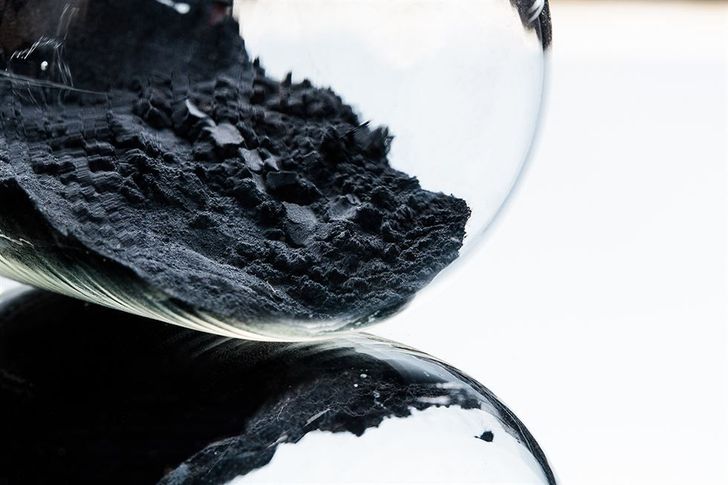
Demand for lithium hydroxide is growing. Courtesy of LG Chem
By Kim Yoo-chul
LG Chem, the world's leading rechargeable battery maker, said Wednesday it has signed a five-year deal with Nemaska Lithium to buy battery-grade lithium hydroxide from the Canadian company from late 2020.
“LG Chem agreed with Nemaska to procure 7,000 tons a year of lithium hydroxide until the contract expires,” LG Chem said, adding the agreement is aimed at further strengthening its position as the global leader in the rechargeable battery market.
Nemaska CEO Guy Bourassa said: “We are pleased with this first step toward establishing a long-term commercial relationship between LG and Nemaska. The signing of this agreement is a clear vote of confidence by LG in our business plan and our capacity to be a long-term supplier of lithium hydroxide.”
Lithium hydroxide is easily combined with nickel to expand battery capacity and is widely used as the key material to make high-end batteries for electric vehicles (EVs).
Under the agreement, Nemaska will supply lithium hydroxide to LG on a take-or-pay basis through its wholly owned subsidiary Nemaska Lithium Shawinigan Transformation. LG Chem said Nemaska is entitled, if necessary, to reschedule the beginning of the supply period, based on the anticipated commissioning, ramping up and production start date.
“The total shipment is good enough to produce about 140,000 battery packs to power advanced EVs, which could travel over 320 kilometers with a single charge,” C.S. Song, head of LG Chem's public relations office, said.
“The key trend happening for battery manufacturers is that they want to get more lithium hydroxide amid the rising popularity of nickel, as nickel contributes to an expanded battery capacity. Lithium hydroxide is cost-effective.”
Song said nickel resists chemically combining with lithium unless temperatures are very high, and thereby lithium hydroxide, with a lower melting point, emerges as the “right alternative.”
In April, LG Chem agreed with China's Zhejiang Huayou Cobalt to operate two joint ventures to make battery precursor and cathode materials. Last November, the Korean company acquired 10 percent of Kemco, a nickel sulfate producer and subsidiary of Korea Zinc.