To raise or not to raise? The grandparent dilemma in modern Korean families
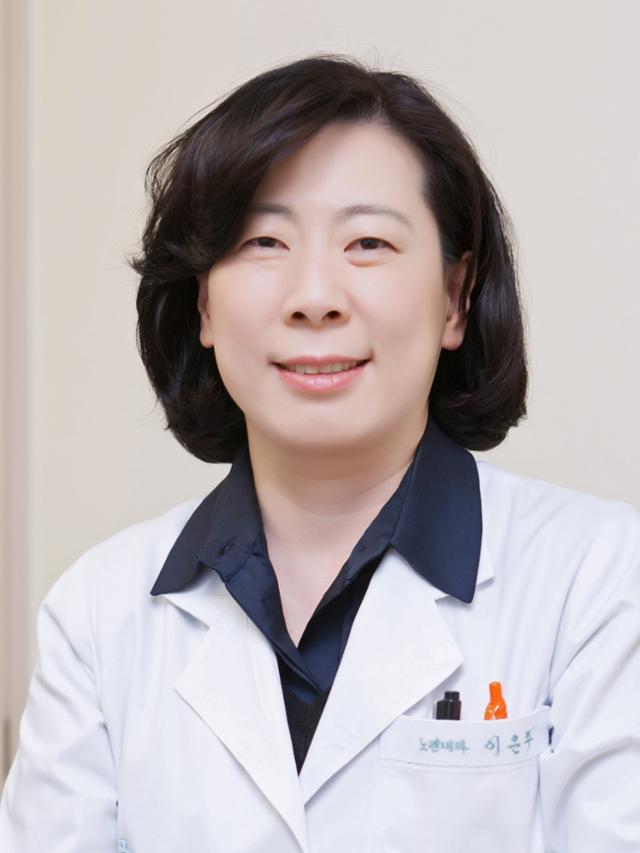
Lee Eun-ju, professor of geriatrics / Courtesy of Asan Medical Center
In May, often celebrated in Korea as “family month,” many elderly parents find themselves reconnecting with their children and grandchildren over meals and conversations. And with this reconnection comes a familiar question for many grandparents: should they help raise their grandchildren?
In today’s rapidly aging Korean society, where dual-income and single-parent households are on the rise, grandparent-led childcare is becoming increasingly common. While this kind of intergenerational caregiving is often viewed as mutually beneficial, it has both positive and negative effects on older adults.
This trend isn’t unique to Korea. In many parts of the world — including family-oriented countries like Italy — grandparents play a significant role in childcare, and numerous studies have examined its impact.
Among the benefits, researchers point to the emotional satisfaction and sense of purpose that come from caring for grandchildren. Interaction with younger generations can help alleviate depression and loneliness among older adults. Physical activity and social engagement are also naturally increased through childcare, which may slow cognitive decline. Additionally, grandparent caregiving reduces the need for paid childcare, easing the financial burden for families — especially in low-income households or areas with limited childcare options. Grandparents also serve as vital transmitters of language, culture and values, strengthening intergenerational bonds and promoting social cohesion.
However, there are notable downsides. Chief among them are health-related risks. Extended periods of physically demanding care can worsen existing conditions such as degenerative joint disease or cardiovascular illness. If caregiving is done involuntarily or over prolonged periods, it may lead to stress, anxiety and a sense of isolation from excessive responsibility. Some grandparents may even neglect their own health, losing time for medical appointments, exercise or social interaction — potentially leading to long-term frailty. Financial strain is another issue, particularly in low-income or single-parent families where grandparents are left to shoulder the cost of caregiving without adequate support.
Research on the health impacts of grandparent caregiving shows mixed results. The “Berlin Aging Study” found that moderate involvement in childcare reduced mortality and improved life satisfaction among older adults. On the other hand, the U.S.-based “Health and Retirement Study” reported that grandparents caring for grandchildren experienced higher levels of depression and physical decline compared to non-caregiving seniors.
Given its complex effects, grandparent caregiving requires both greater understanding and stronger policy support. First, the government should formally recognize the role of grandparent caregivers, and following initiatives already begun by some local governments, offer tax breaks, stipends or pension supplements. Such support would help distribute caregiving responsibilities more fairly while improving elderly well-being. Second, burnout prevention is essential, and could be addressed through rest periods, counseling services and leisure programs. Third, caregiving grandparents should be included in childcare subsidy policies. Finally, comprehensive health services that address stress, fatigue and isolation are needed, and should be integrated into Korea’s existing medical infrastructure.
Grandparent participation in childcare plays a crucial emotional and social role in contemporary Korean society. But when the caregiving burden becomes too heavy, it can seriously impact an elder’s physical and mental health — making institutional support not just helpful, but necessary.
This article from the Hankook Ilbo, the sister publication of The Korea Times, is translated by a generative AI system and edited by The Korea Times.