Koreans' teeth at risk amid Dubai-style dessert ‘Dujjonku’ craze
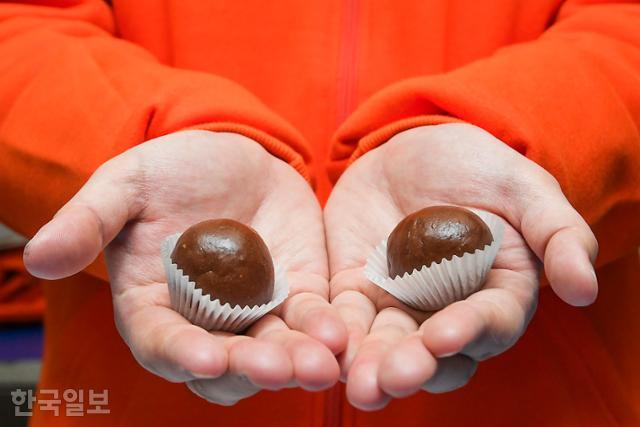
Dujjonku / Korea Times file
Dental experts have warned that sweet and sticky foods such as the viral “Dubai jjondeuk cookie,” or Dujjonku, can be harmful to oral health.
According to the medical community Jan. 23, cavities occur when bacteria in the mouth break down sugar in food and release acid, which erodes the surface of teeth. The higher a food’s sugar content, the more acid the bacteria produce, and the stickier the food, the longer residues cling to teeth, increasing the time teeth are exposed to acid.
Food debris left on teeth continuously supplies nutrients to cavity-causing bacteria, accelerating tooth decay and contributing to tartar buildup. Lim Hyun-chang, a professor of periodontology at Kyung Hee University Dental Hospital, said some ingredients in the “Dubai jjondeuk cookie” can remain for long periods in narrow gaps between teeth or along the gum line, adding that this can lead to gum inflammation.
For those unwilling to give up the popular treat, proper brushing is essential. Brushing is generally recommended within two to three minutes after eating. In particular, after consuming foods that easily stick to teeth and gums, experts recommend the modified Bass technique, which involves holding the toothbrush at a 45-degree angle and using gentle vibrating and sweeping motions. Developed by American dentist Charles Bass, the technique helps remove plaque along the boundary between teeth and gums. In contrast, brushing forcefully in horizontal motions can wear down this area.
Brushing alone may not fully remove food trapped between teeth. In such cases, auxiliary oral care tools such as dental floss and interdental brushes can help. Lim said using floss before brushing is effective for removing plaque and allowing fluoride from toothpaste to penetrate, adding that interdental brushes are more suitable than floss when spaces between teeth are wide.
This article from the Hankook Ilbo, the sister publication of The Korea Times, is translated by a generative AI system and edited by The Korea Times.