Rise of subway free riders amid aging society
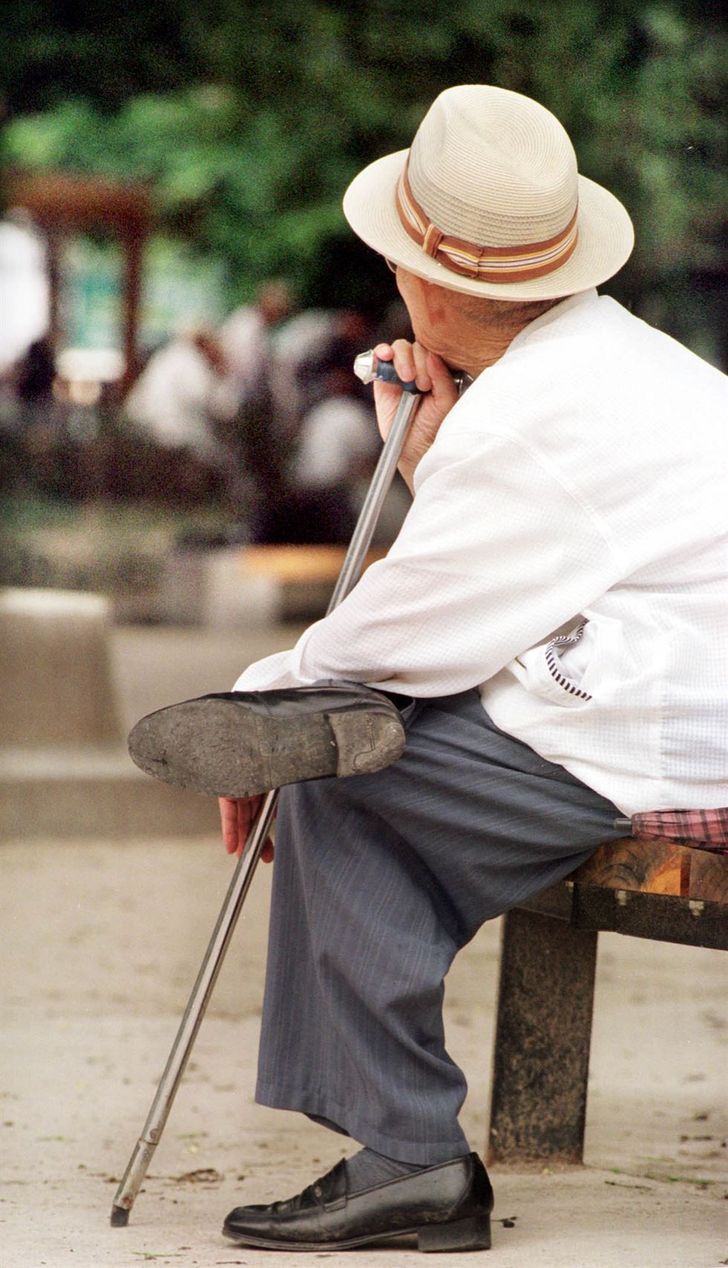
A man sits alone at Tapgol Park. / Korea Times file
By Kwak Yeon-soo
Around 9:30 a.m., an 81-year-old man surnamed Kim steps into Tapgol Park in downtown Seoul and sits underneath the old pavilion.
A 45-minute subway ride from his house in Seocho-gu, southern Seoul, it has become a part of his daily routine after his wife passed away four years ago.
Tapgol Park, where the March 1st Korean Independence Movement began, has turned into a haven where the elderly come to spend most of their free time.
“It doesn't cost me a penny to get here. All I have is time, so why not waste it?” Kim said.
Another 72-year-old woman surnamed Kim, who has spent most of her life washing dishes at restaurants, said she backs the free subway service. “Since I've worked outdoors for so long, I cannot stay at home like a housewife. Giving seniors free access to the subways allows people like me to get around the city freely.”
There are hundreds of senior citizens like these two Kims in Seoul.
Due to an increase in the country's elderly population, the number of free subway riders is rising annually.
The Seoul Metropolitan Government data showed senior citizens with free access to subways accounted for 11.9 percent of all passengers last year.
The disabled and veterans, who have dutifully served the country, accounted for 2.6 percent and 0.2 percent of total passengers, the data showed. These two groups are allowed to ride the subway free of charge, along with senior citizens.
The government's welfare policy to grant free passes to senior citizens aged 65 or over was introduced in 1984.
Back then, the elderly accounted for less than 4.3 percent of the total population.
But the situation has changed.
According to Statistics Korea, the number of senior citizens surpassed children 15 years or under last year. Furthermore, the elderly now account for 13.8 percent of the total population.
Many argue that the rising portion of senior citizens amid Korea's aging society generates huge losses for the Seoul Metro.
The metro operator that runs subway lines numbers 1 to 8 in the capital saw losses of 350.6 billion won ($ 329.6 million) last year due to the number of “free riders.” The losses have been rising since 2013.
“The growing number of senior citizens is the biggest cause of the massive deficit,” said a city government official.
“We will request financial support from the central government.”
To shore up the fiscal deficit and reduce the burden, there have been calls for adjusting the minimum age of passengers permitted to ride free from 65 to 70 and beneficiaries being waived 50 percent of the fare.
City government and metro operators are considering adopting a new fare system as well as amending the current system.
“It's true that old age is imposing a heavy burden on us. Raising the minimum age of those who benefit, and charging half the fare, are included in our mid-to-long term plan,” said a Seoul Metro official.