Opening of energy technology university met with skepticism

The construction site of the Korea Institute of Energy Technology (KENTECH) in Naju, South Jeolla Province. Yonhap
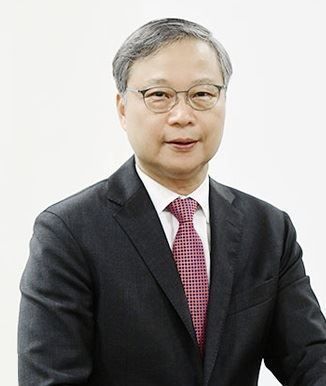
KENTECH President Yoon Eui-joon
By Lee Kyung-min
Skepticism is running high over the Korea Institute of Energy Technology (KENTECH), a much-criticized technology university associated with state-run Korea Electric Power Corp. (KEPCO), marred by questionable plans concerning its operations and financing, according to critics Wednesday.
They say that the much-rushed opening of what they characterize as an ill-conceived and ill-prepared university in Naju, South Jeolla Province, Wednesday, leaves the key issues unaddressed, and instead is being used as the political symbol of President Moon Jae-in's successful delivery of a campaign pledge.
Central to the criticism is the lack of the university's educational facilities, professors and stable income to finance operating costs of 1.6 trillion ($1.3 billion), about half of which have to be shouldered by KEPCO and its four energy subsidiaries over the next decade.
Further fueling this pessimism is the record-high operating loss of 6 trillion won by KEPCO last year, a reason critics say the misdirected policy will become the responsibility of taxpayers.
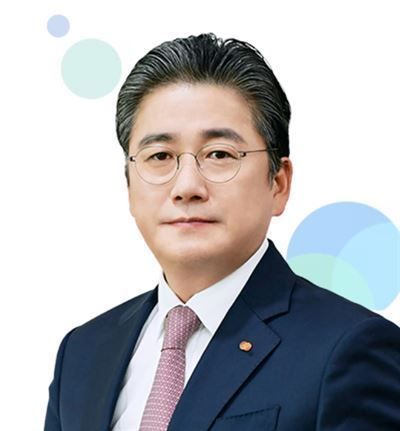
KEPCO CEO Cheong Seung-il
Lingering questions
“How and whether the supposedly world-class higher education institution will be managed efficiently and competently in the long term remain unclear,” Korean Association of Private University Presidents Secretary General Hwang In-sung said.
KENTECH initially said it would hire 100 professors, offering them double their current pay. So far, it has recruited only 48. Worse yet, sitting alone on a 400,000-square-meter lot is one five-story building that doesn't even have a student dormitory, as promised. This, according to Hwang, is nothing but the result of administrative railroading.
“Education should never be pushed through with all the necessary procedures neglected. How KENTECH will enhance education in the country remains highly doubtful,” he added.
Another point of criticism, he said, is the rushed passage of a bill last year with a last-minute amendment, whereby a 25-billion-won grant is to be provided to KENTECH, shouldered entirely by taxpayers.
“The grant is the sum of the surcharge in electricity bills paid by individual taxpayers. It is meant for state-run projects to improve the electricity supply in remote, underdeveloped areas, not to finance a university the public never agreed to set up,” Hwang said.
Seoul National University economist Lee In-ho said the issue could become a source of a major political feud in the next administration.
“KEPCO's staggering operating loss of 6 trillion won last year was due to surging global oil prices, certain to climb further amid the Russia-Ukraine war. Once the energy firm raises electricity rates twice after the presidential election is over, the public will blast KENTECH for soaring utility bills.”
KENTECH saw 157 new students this year, including 108 undergrads and 49 graduate students. It promised to provide free dormitories to all students and assistance in the form of advanced research facilities for launching start-ups. However, the full construction of lecture rooms, libraries and dormitories is delayed to 2025, a reason why students need to stay at a nearby hotel.