LG Energy Solution secures stable supply of nickel, cobalt
By Baek Byung-yeul
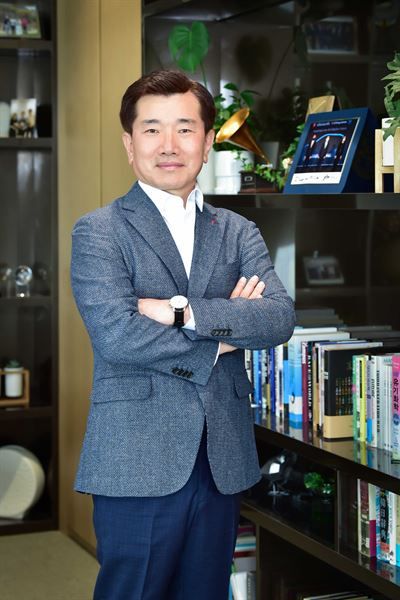
LG Energy Solution CEO Kim Jong-hyun / Courtesy of LG Energy Solution
LG Energy Solution (LGES) has established a stable supply chain of nickel and cobalt ― essential materials for manufacturing battery cells ― in Australia, reducing its concerns about sourcing raw materials.
The battery-making company said Monday it has signed a six-year agreement with Australian Mines for the supply of nickel and cobalt. It said the raw materials will be supplied in the form of a mixed hydroxide precipitate from the North Queensland region.
“Under the binding long form offtake agreement between LGES and Australian Mines, the battery manufacturer will have access to 71,000 tons of nickel and 7,000 tons of cobalt for six years starting from the end of 2024,” LGES said.
The amount of raw materials is enough to produce batteries that can power 1.3 million high-performance electric vehicles (EVs), each of which will have a driving distance of over 500 kilometers on a single charge.
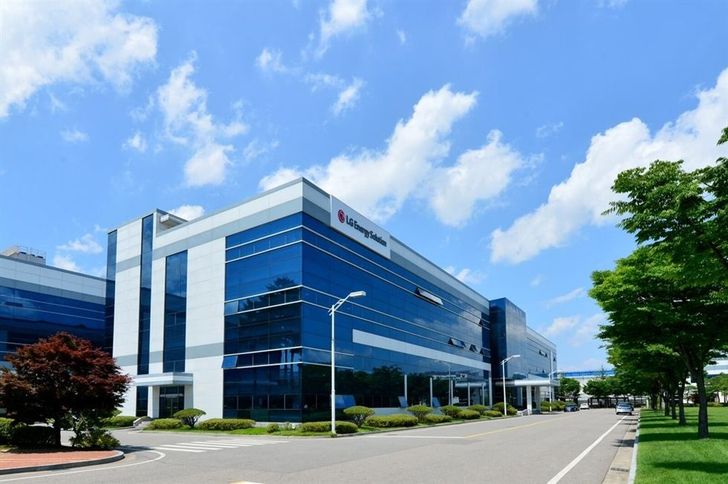
LG Energy Solution's battery-manufacturing plant in Ochang, North Chungcheong Province / Courtesy of LG Energy Solution
With the contract, LGES could gain an upper hand in securing a stable supply of key ingredients for EV batteries, at a time when the race to procure raw materials has become fierce due to growing demand.
Established in 2001, Australian Mines has been pushing the Sconi Project, which will extract nickel and cobalt using eco-friendly methods starting from 2024 in Queensland. “Valued at $1.5 billion, the Sconi Project is a nickel and cobalt mine, capable of creating quality battery materials and boosting the battery supply chain,” LGES said.
With Australian Mines using eco-friendly technology for acquiring the raw materials, LGES also expects the contract could raise its competitiveness in environmental, social and corporate governance (ESG) based management.
“During the mining procedure, Australian Mines will be using the dry stacking method, known as a sustainable method used for storing filtered tailings. Although more costly compared to the conventional method due to construction and maintenance expenses, the dry stacking method is deemed an eco-friendly way to extract raw materials,” the company said.
LGES CEO Kim Jong-hyun said, “Securing key raw materials and a responsible battery supply chain has become a critical element in gaining greater control within the industry, as the demand for EVs worldwide has been heightened in recent years.”
Overall, LGES has been increasing its efforts to establish a stable supply chain of raw materials. In June, the company invested 12 billion won ($10.3 million) in Queensland Pacific Metals (QPM) for 7,000 tons of nickel and 700 tons of cobalt per year for a decade starting late 2023.