Helixmith's blunder undermines Korea's biopharma credibility
By Nam Hyun-woo
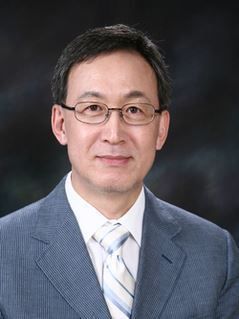
Helixmith CEO Kim Sun-young
Helixmith, a domestic biopharmaceutical firm developing a drug for the treatment of diabetic peripheral neuropathy (DPN), failed to determine the efficacy of the drug in the phase three clinical trial, as it appears the medicine may have been administered to the placebo group, according to the company, Tuesday.
Industry officials said the apparent mix-up has dealt another heavy blow to Korean biopharmaceutical firms' global credibility, which has already been tarnished after the license for Kolon Life Science's Invossa gene therapy was revoked over mislabeling.
Helixmith, which is better known by its previous name ViroMed, said it is difficult to determine the result of the phase three clinical trial of the drug, Engensis. It will start another phase three clinical trial in six months and plans to apply for a license to the U.S. Food and Drug Administration in February 2022.
“We found a critical defect in pharmacokinetic data last week,” Helixmith CEO Kim Sun-young said in a press conference in Seoul. “We are very sorry to our investors for this absurd incident.”
The test comparing patient groups treated with the drug and the placebo was finished recently, and experts were reviewing data in Chicago.
However, according to the company, Engensis DNA was found in 36 placebo group patients and 32 patients in the Engensis group showed “overly” low concentration of the drug's DNA compared to other subjects in the same group.
Kim said this appears to be due to a mix-up of the drug while testing the two groups.
“As the drug was mixed up, placebo group patients showed increased effect in pain alleviation, while Engensis group subjects showed an adverse result,” Kim said, adding the drug showed the desired effect in patients who were tested properly.
The company said it has formed an investigation team to find the root cause of the blunder, and who is responsible. However, the outcome of the investigation will be disclosed “only after the evidence is collected and data is analyzed” due to legal measures the company plans to take afterwards.
Helixmith has been developing the drug for the past 15 years and planned to announce the final result of the phase three test by the end of this year. Following the blunder, however, all of those fixtures will be delayed for two years, undermining investors' sentiment and the market credibility of the firm.
Helixmith was the second largest cap in Korea's tech-heavy Kosdaq on Sept. 20, with its market cap standing at 3.75 trillion won ($3.14 billion). After the announcement, however, the company saw its market cap shrinking to 2.56 trillion won, with the share price plunging by the bourse's lower limit of 30 percent from a day earlier to 120,000 won.
This is the latest case of Korean drug makers' clinical trials ending in failure. In April, Kolon Life Science announced that its Invossa osteoarthritis gene therapy had an error in its ingredient and saw its domestic sales license revoked in July.