Photographer's shots of Seoul alleys go viral
By Rachel Stine
Seoul residents may not know Noe Alonzo's name, but they may recognize his work. This American expat's photography of Seoul's neon-lit alleys at night went viral on Twitter last week, earning him almost 58,000 retweets in just 24 hours.
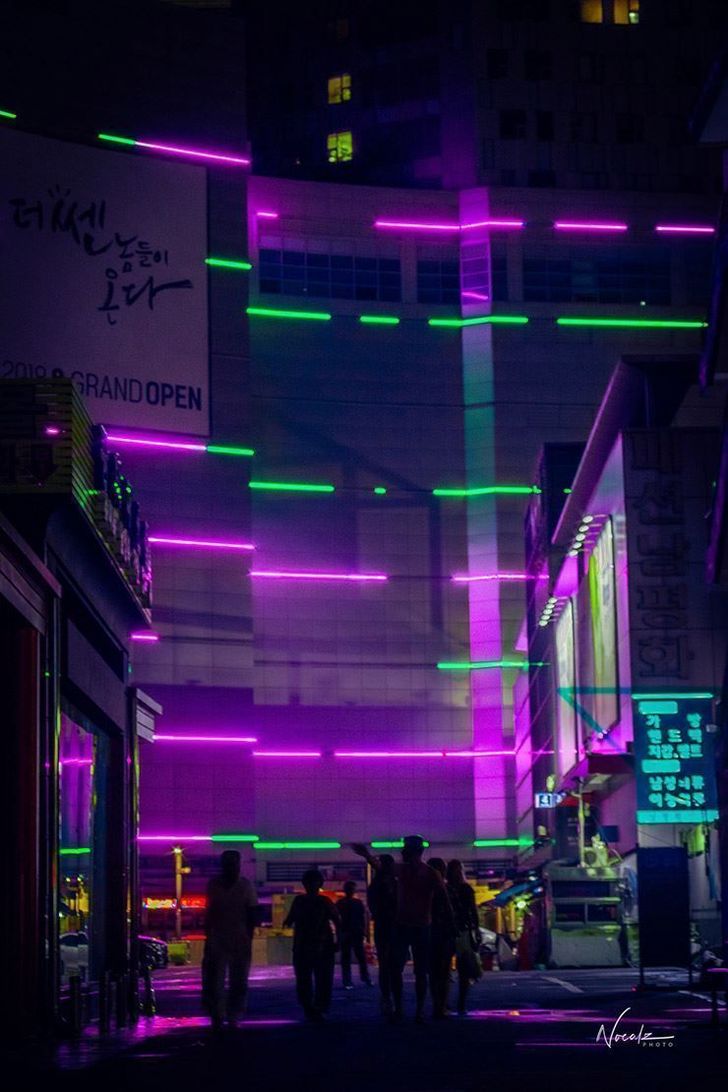
One of Alonzo's photographs circulated widely on Twitter
“I woke up to hundreds of comments,” Alonzo said in an interview. “I've been posting my pictures for a long time on social media. Every now and then I'd get something small _ 5,000 likes on Reddit, for example. But this time I woke up to hundreds of comments. Instagram comments, Twitter comments, e-mails … it made me emotional.”
This is not the first time this Seoul-based expat's work has been recognized in the media. Before becoming known for his “neon noir” photography,
was featured by National Geographic and soon garnered attention on social media. But it was the gritty nighttime shots of Seoul after rain that resonated with people around the world.
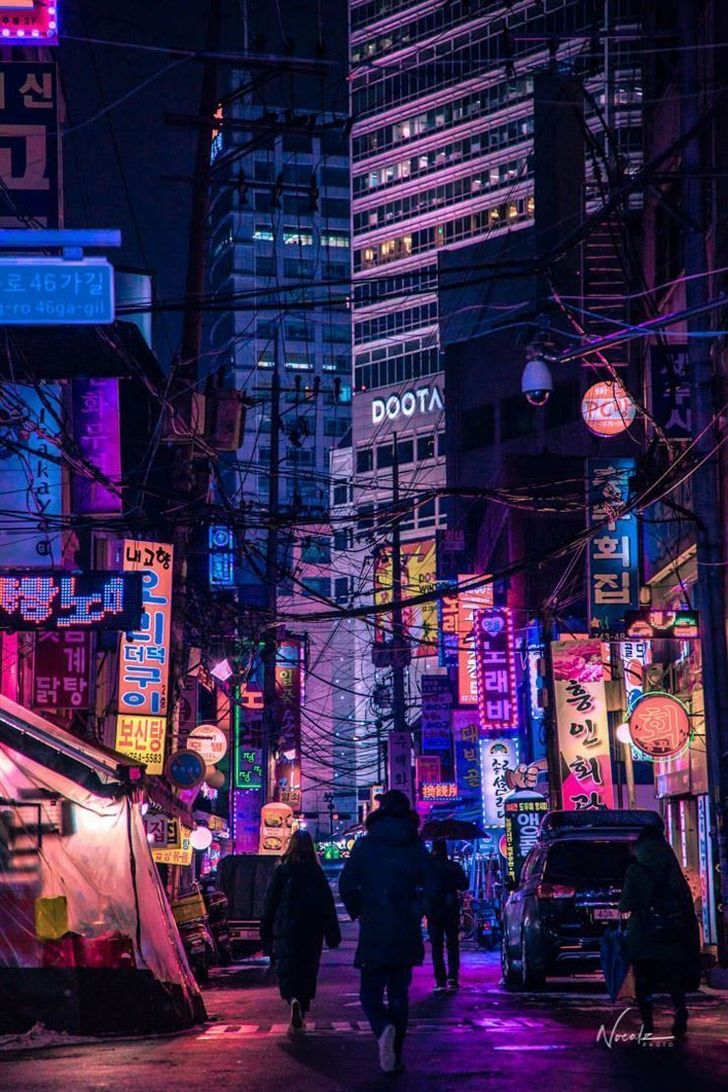
A bright Seoul street that epitomizes Alonzo's style.
“I'm inspired by films like Blade Runner and Ghost in the Shell,” he said. “One day I came across the work of street photographers in Japan. They have this neon noir style, playing with the colors at night. I thought: 'That's what I'm missing.' It gave me some direction.”
Despite drawing some inspiration from Japanese styles, he never leaves his apartment with a particular shot in mind.
“I never feel like I have a specific direction taking pictures at night,” he said. “There's something there, I like it, but I don't know what it is. I'm always looking for neon lights. If you can get steam, fog or mist, that's really great …, especially steam.”
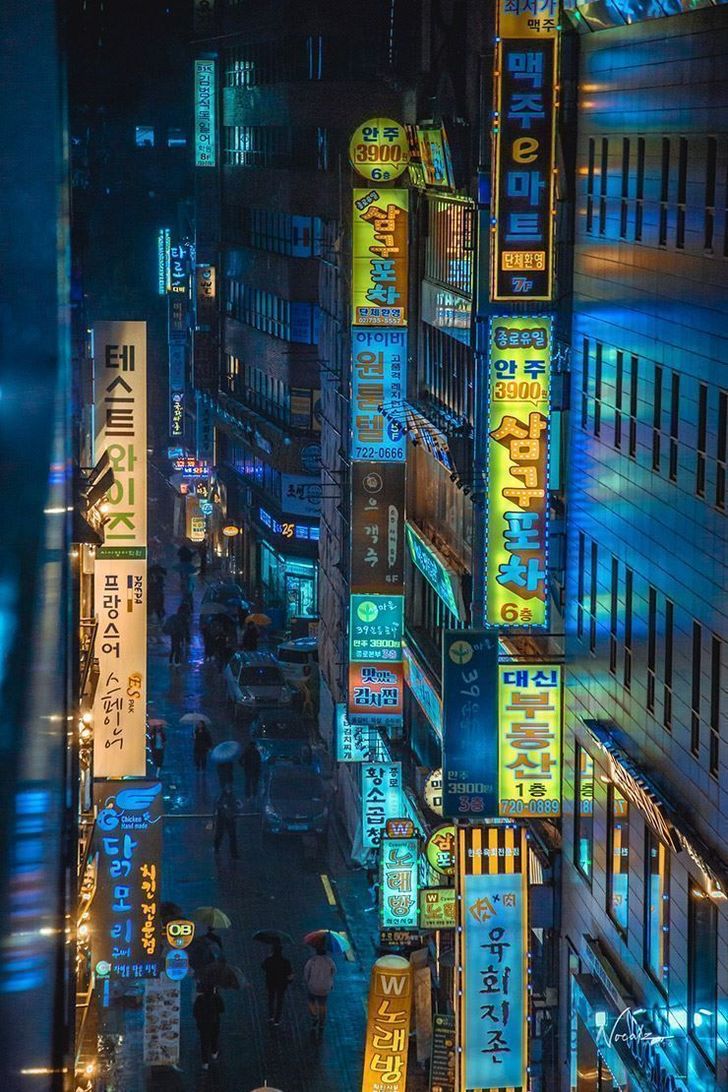
Jonggak.
Alonzo experimented with various types of photography before finding his voice in Seoul's advertisement-heavy streets. Previously, he spent four years traveling the Korean countryside and shooting landscapes. But he traces his real photographic roots to McAllen, Texas, the desert town where he grew up.
“I was visiting home once,” he remembered, “And I found this box full of pictures I had developed. My friends skateboarding, mostly. I suppose that's where I really got my start.”
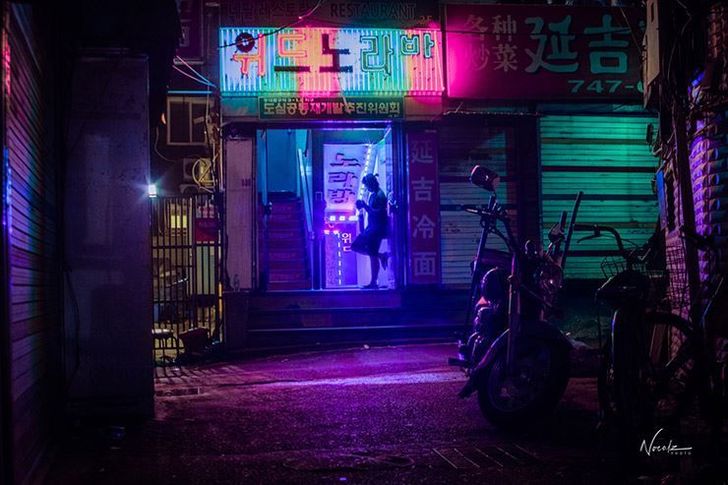
A karaoke room near Dongdaemun.
After moving to Seoul, Alonzo had a successful YouTube career before establishing himself as a street photographer. However, as the years passed, he became less engaged with video... He reported feeling increasing pressure for expat bloggers to overreact to Korean culture, especially when doing segments about food.
“I like when people pay attention to my pictures, but I don't want them to pay attention to me. That's what I didn't like about YouTube. I'm an introvert, and photography is my therapy. Even if nobody saw my pictures, I would still do it.”
Asked why his work appealed to so many people, Alonzo was unsure. “I know fans of cyberpunk like it. They notice the contrast between the poverty and the high-rises in the background … that shows how Korea is run by huge corporations while everyday people are suffering. So I think it might be that contrast between corporate power and poverty.
“There's a lot of darkness and night. It makes some people uncomfortable sometimes. For example, I asked my Korean friend if she wanted to be in the picture, and she said: 'No, because I'll look like a prostitute.' I never thought of it like that.”
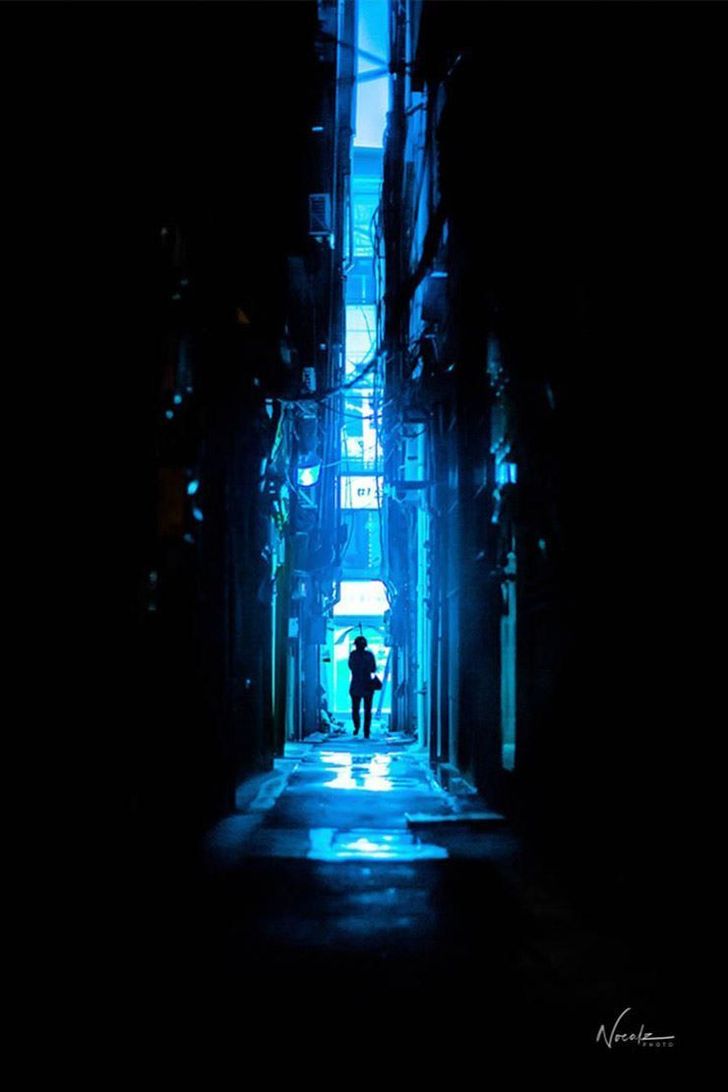
Replicant.
Despite the unsettling atmosphere of Alonzo's photos, his aim is to express a genuine love for Seoul and Korean culture. “One of the things that make me sad is how they [the government] are remodeling things. Slowly, parts of the city are starting to look like everywhere else. If you're a Korean, maybe you want to see that modern change, but if you're a foreigner, you feel like Korea is losing part of its identity. I want it to feel like this is Korea. I don't want it to feel like New York, or L.A., or anywhere else. The government thinks a clean, sterile K-Pop aesthetic is best. But that's not what people like.”
Alonzo has several goals for his photographs, but he maintains the main purpose is for people to enjoy them.
“I also want people to come here and take photos,” he said. “Usually photographers go to Taiwan, China, Japan … I want people to be interested in Korea. That's why I want the images to be shared.”
See more of Noe Alonzo's photography on his
,
and
.