K-dramas absurdly unrealistic
.jpg?w=728)
.jpg?w=728)
Scenes from MBC's "My Daughter Geum Sa-wol" that ended Sunday / Courtesy of MBC
By Ko Dong-hwan
MBC TV drama “My Daughter Geum Sa-wol” ended Sunday after 51 episodes, and media outlets and the public have dubbed it “an absurdly unrealistic drama that rated well.” The last episode recorded a 33.6 percent TV rating, comparatively high for TV dramas.
Throughout the drama’s run since last September, it has been drawing flak for an unrealistic plot, complicated relations among characters and scenes with certain dramatic settings that seemed far-fetched.
Such problems were not only present in “My Daughter Geum Sa-wol” but also other TV dramas in the past that were considered absurdly unrealistic.
Because there have been several such TV shows, Korean dramas at large can be divided into either being absurdly unrealistic or not. MBC’s “Princess Aurora” (2013), “Jang Bo-ri is Here!” (2014), SBS’s “Temptation of Wife” (2008-2009) and “New Tale of Gisaeng” (2011) are the most well-known TV dramas in the former group.
.jpg?w=728)
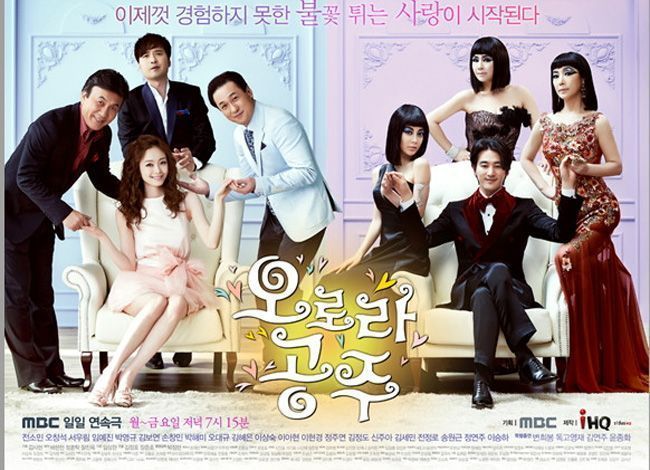
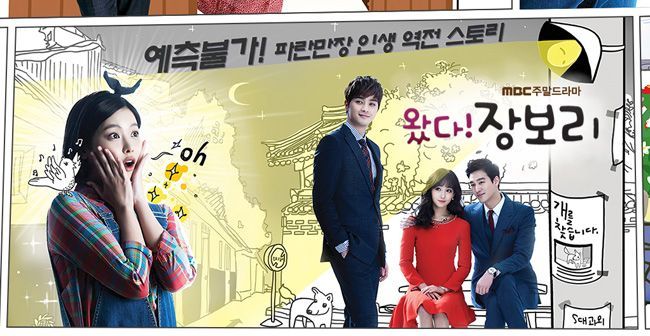
(From top) Posters for “Temptation of Wife,” “Princess Aurora” and “Jang Bo-ri is Here!”
MBC’s “Heaven’s Fate” (2004), another one considered absurdly unrealistic, had enraged viewers by one of its actors using an ethically provocative phrase to refer to an adopted child. Following the viewers’ protest demanding the show’s prompt shutdown, the show had changed its screenwriter during its running.
Absurdly unrealistic TV dramas have often attracted the question of why they keep being produced despite terrible reviews. The answer is simple: because their TV ratings sell.
“The core of absurdly unrealistic dramas is to have viewers consume them on a daily basis,” a media source said. “They cannot be compared to quality trendy dramas that became a nationwide sensation like ‘Sandglass’ (SBS, 1995) and ‘Assi’ (TBC, 1970-1971).”