Yoon pledges to root out drug-related crimes

President Yoon Suk Yeol speaks during a Cabinet meeting at the presidential office, Tuesday. Joint press corps
840-member special investigation team to serve as control tower
By Jun Ji-hye
President Yoon Suk Yeol vowed, Tuesday, to mobilize all possible resources to root out crimes related to narcotics, responding to heightened concerns following the distribution of methamphetamine-laced drinks to high school students in Seoul and allegations of habitual drug use by A-list actor Yoo Ah-in.
Yoon said drug addiction is a disease and a crime that blights drug users, their families and society, noting that what he found to be “most shocking” was the widespread distribution of drugs to teenagers.
“The government will join all forces to win the war on drugs,” Yoon said during a Cabinet meeting at the presidential office.
The remarks came as drug-related crimes have become a major concern in the country.
According to official data, 5,809 people were caught between November of 2022 and February of this year for narcotics-related crimes, up 24 percent from a year earlier. The amount of drugs seized by law enforcement officials surged 55 percent from a year earlier to 306.8 kilograms.
In particular, the distribution of methamphetamine-laced drinks to high school students in Seoul showed just how vulnerable teenagers are to illegal drugs.
According to the police investigating the case that occurred on April 3, a crime ring allegedly blackmailed the parents of students who inadvertently consumed the drinks, demanding money to prevent their children from being reported to police for abusing drugs.
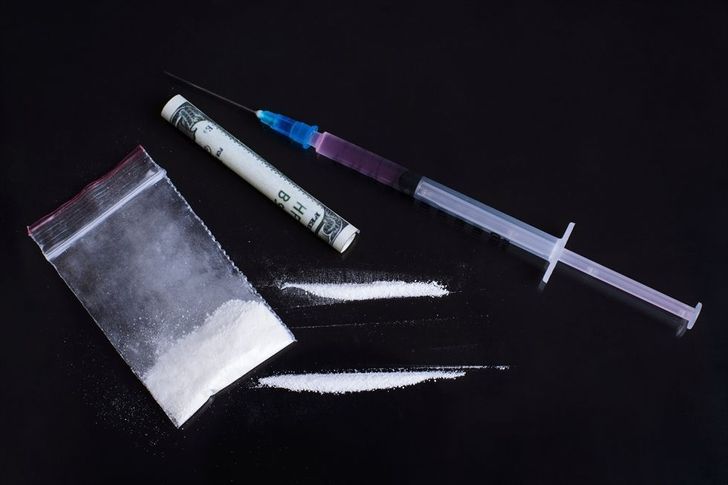
gettyimagesbank
During the Cabinet meeting, government officials discussed a set of measures to cope with increasing drug crimes, including the creation of a narcotics investigation department at the Supreme Prosecutors' Office.
Officials said a new interagency investigation team will also be launched to serve as the control tower in narcotics investigations. The special investigation team will be comprised of 840 personnel from the prosecution, the police, the Korea Customs Service, the Ministry of Education, the Ministry of Food and Drug Safety and the Seoul Metropolitan Government.
In a bid to block drug smuggling into the country, the government will work to bolster monitoring activities and introduce high-tech equipment capable of detecting new drugs.
The government will push to strengthen punishment against habitual drug users and people caught smuggling large quantities of drugs into Korea.
Aiming to strengthen rehabilitation and treatment, the government will push to increase subsidies offered to 24 hospitals designated by the government.
The government will also increase the number of government-run drug rehabilitation centers to three from the current two and offer financial aid for private treatment facilities.
The government will train 190 specialists in substance abuse rehabilitation, including 90 at the Korean Association Against Drug Abuse.
“Harsh investigations are necessary to punish drug criminals,” Yoon said. “Efforts should also be given to rehabilitation treatment to help them return to society at the earliest possible date.”
Meanwhile, the Ministry of Health and Welfare said it will carry out a survey this year to study drug issues facing teenagers, such as their exposure to illegal substances.
The results of the study will be reflected in drawing up more countermeasures to cope with drug use among teenagers.
“In addition, in-depth studies will be carried out next year to analyze cases involving teenagers who dropped out of school or have been sent to youth detention centers,” a ministry official said.
The ministry carries out a drug-related survey every five years, according to law. But the survey only targets people aged 18 or older. As a result, the current survey has drawn criticism for failing to gauge drug use among teenagers.