Anti-corruption training institute shares knowhow with developing nations

The emblem of the Anti-Corruption and Civil Rights Commission of Korea (ACRC)
By Nam Hyun-woo
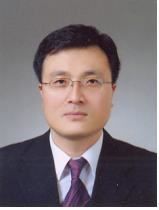
Kim Se-shin, executive director of the Anti-Corruption Training Institute / Courtesy of Anti-Corruption and Civil Rights Commission of Korea
The Anti-Corruption Training Institute, an education arm of the Anti-Corruption and Civil Rights Commission of Korea (ACRC), is running a training course to share its experience and knowhow with anti-corruption policies with developing nations.
According to the ACRC, the institute began its latest edition of the six-day ACRC Training Course for International Anti-Corruption Practitioners on Monday, with 16 participants from the anti-corruption authorities of Bangladesh, Cambodia, Ghana, India, Pakistan, Philippines, Tanzania and Uganda.
“Sharing knowhow with developing nations for setting up schemes and policies for battling corruption is a duty stipulated in the United Nations Convention against corruption, and serves as a boost for improving Korea's status in the international community and its corruption perceptions index (CPI),” said Kim Se-shin, its executive director.
The training program will cover Korea's major anti-corruption measures that have earned it international recognition, including the award-winning integrity assessment program, corruption risk assessment and whistleblower protection and reward program.
The training will also introduce Korea's domestic legislation, including the Act on the Prevention of Conflicts of Interest of Public Officials and the Improper Solicitation and Graft Act, as well as international anti-corruption instruments such as the United Nations Convention against Corruption and the OECD Anti-Bribery Convention.
The ACRC has been running the multinational training course every year since 2013 in order to help strengthen the capabilities of anti-corruption agencies of other countries. It has also implemented chapter VI of the United Nations Convention against Corruption, which is devoted to technical assistance and information exchange.
After the ACRC's integrity assessment program won first prize in the 2012 United Nations Public Service Awards, demand has also been rising for the training program, with a total of 338 anti-corruption officers from 71 countries attending the program to date. The integrity assessment program gauges the transparency, vulnerability to corruption and other factors of ministries and other government organizations, and announces their integrity scores.
In addition to English, the ACRC developed a new Russian-language training course for Eastern European and Central Asian countries in 2020 and a French language course for African nations this year, in response to steadily increasing demand for its anti-corruption training program. The institute also plans to launch a Spanish course next year for countries in Central and South America.
“The ACRC will continue to expand its support for other countries to enhance their anti-corruption capacities and improve their national integrity by sharing Korea's experience in preventing corruption,” Kim said.