'Assassins' finally earns art movie status after initial denial

A poster for "Assassins" / Courtesy of The Coup, Watcha, kth
By Kwak Yeon-soo
“Assassins,” a documentary about the 2017 assassination of Kim Jong-nam, the estranged half-brother of North Korean leader Kim Jong-un, has finally earned its status as an “art movie” after an initial rejection by the Korean Film Council (KOFIC).
“We still have no clue why the film authority refused to grant art movie status in the first place, and how it was reevaluated and by what criteria. However, we respect the council's decision as it is,” the distributors said in a statement, Tuesday. “We hope this will serve as an opportunity for improving policies regarding film classification of indie movies.”
Directed by American filmmaker Ryan White, “Assassins” centers on the two South Asian women who killed Kim, the eldest son of the deceased North Korean leader Kim Jong-il, by using VC, a highly toxic nerve agent, at Kuala Lumpur International Airport in Malaysia in February 2017.
According to distributors, the film is not political, but rather centers on the two defendants' testimony and interviews with their lawyers to shed light on their human rights that had allegedly been ignored. It also delves into how individuals, societies and countries deal with North Korea and aims to contribute to the free flow of thoughts and cultural diversity.
It had its world premiere at the 2020 Sundance Film Festival, one of the world's largest independent film festivals.
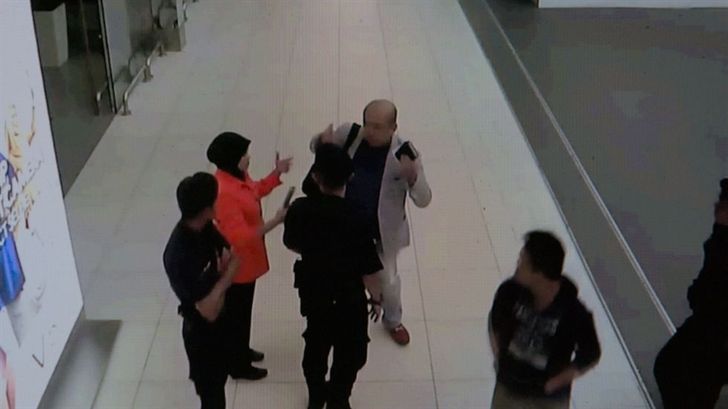
A scene from "Assassins" / Courtesy of The Coup, Watcha, kth
In May, after the film was denied “art movie” status, its local distributors ― The Coup, Watcha and kth ― asked KOFIC for a reevaluation before releasing it in theaters.
Acquiring an art movie status is important for independent films to acquire screen time in art theaters, or otherwise it is difficult to screen them in multiplexes and compete with blockbusters or commercial films.
At that time, the council did not specify why it had denied the status, roughly commenting the film failed to meet four criteria ― a film with high aesthetic value; a film that's creative and experimental in subject matter, message and expression; a film that contributes to cultural exchanges, free flows of thoughts and cultural diversity; and a film that has artistic and socio-cultural perspectives.
The distributors protested the council's decision, arguing that they are confident that the film complies with all four of the KOFIC guidelines for granting art movie status.
After the case came to light, some alleged political motives behind the film authority's decision, suspecting that it wanted to prevent a confrontation with North Korea as the subject matter may be provocative in the North Korea context.
North Korean defector-turned-lawmaker Tae Yong-ho of the main opposition People Power Party cast doubts about KOFIC's initial decision, saying “The public wants to know why the memoirs of Kim Il-sung (the founding leader of North Korea) are allowed and why 'Assassins' is not. 'Assassins' has gained wide recognition for its artistic value, getting invited to internationally acknowledged film festivals.”
“The South Korean government doesn't want to get slammed by Pyongyang for any sort of endorsement of this film. It seeks to stay neutral, which, in this case, is actually closer to submission to North Korea's restrictions. There is no reward for such behavior, though,” Soo Kim, a policy analyst at the RAND Corporation, told Radio Free Asia.
“Assassins” will hit local theaters in August.