INTERVIEW Abe desperately seeking 'short-term' gains
This is the third in a series of interviews with political experts and experienced analysts assessing the impact of the ongoing South Korea-Japan trade row after Tokyo removed Seoul from its list of trusted trading partners receiving preferential treatment in exports. ― ED.
By Jung Da-min
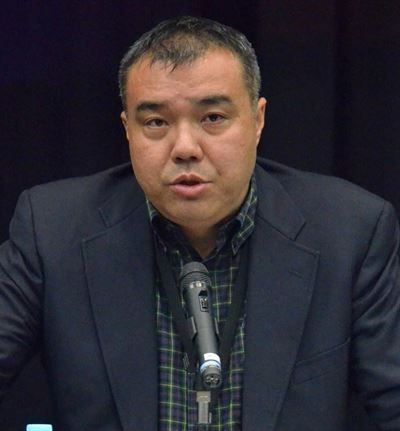
Prof. Koichi Nakano of Sophia University
Koichi Nakano, a political science professor at Sophia University in Tokyo, is among those who feel that current relations between South Korea and Japan are at its worst since 1965, when the two countries normalized diplomatic relations.
The professor said Japan's ruling Liberal Democratic Party (LDP) has been using nationalism in politics for nearly 30 years since they started to veer to the right around the mid-1990s. He said Seoul is their current target, at a time when Japan's Prime Minister Shinzo Abe cannot continue with anti-North Korea or anti-China policies.
“There were times when North Korea was selected as target number one, but right now, since the inter-Korean and U.S.-Democratic People's Republic of Korea [North Korea's official name] talks began, Abe is the only leader who has not been able to meet with Kim Jong-un and Japan has been completely marginalized. Abe cannot afford to antagonize North Korea any further,” Nakano said in a recent interview with The Korea Times.
“Again, there were times when China was vilified the most by the Japanese government and the media, but since Trump started a trade war with both Japan and People’s Republic of China, he ended up pushing Xi and Abe to get along better. … This leaves South Korea as Abe’s favorite target for vilification.”
The professor said Abe was trying to divert public attention from the fact that his economic and foreign policies have largely failed; but his hostile policy toward Seoul “does not make any sense at all,” according to Nakano, as it targets former victims of Japanese imperialism.
Japan removed South Korea from its whitelist of most trusted trading partners in an apparent act of retaliation following rulings by the South Korean Supreme Court decision last year that ordered Japanese companies to compensate surviving South Korean victims of forced labor before and during World War II.
The conflict surrounding the comfort women issue was also escalating with Seoul recently announcing the official disbandment of a Japanese-funded foundation set up in South Korea under a 2015 bilateral agreement over the issue.
Nakano said Abe's nationalist policy will bring only “short-term gains” and will damage not just Japan but also its allies ― South Korea and the United States ― while giving a boost to China's standing.
“The trade conflict is silly and does considerable damage to the economy of both countries [Japan and South Korea]. What is even worse is that it really exposes the fact that Abe is not a defender of the liberal order, but that he is as much of an illiberal nationalist as Trump is. The loss of credibility of both the U.S. and Japan as the mainstays of the liberal economic order gives a boost to China's standing,” he said.
The professor said this would do no good for the liberal order in the international community as the Chinese regime is illiberal in political terms. He also said the U.S. would play little role in helping to resolve the conflict between Seoul and Tokyo, as he does not believe U.S. President Donald Trump has a long-term strategic vision for foreign and security policies.
“If the Moon government is in crisis, so are the Trump administration and Abe government. The short-term gains that may result from fanning nationalism will damage us all. I don't think that there is an easy way out of the current impasse, but it is important for citizens to keep a cool head.”