Cosmetic rivalry: how underdog came to outperform champion

GETTYIMAGESBANK
'Growing Up' unravels how innovative leader lifted skincare brand out of lackluster performance
By Kang Hyun-kyung
2017 is the year that many Korean business leaders, who had made bold investments in China to profit from the hallyu boom there, would probably want to forget.
Korean companies suffered an enormous fallout from the Korea-China diplomatic spat since 2016 when Korean officials hinted one way or another at the deployment of the U.S. Terminal High Altitude Area Defense (THAAD). China became extremely nervous as the southeastern rural county of Seongju was chosen as a site to accommodate the anti-missile defense system.
In March 2017, the diplomatic spat eventually exploded into a trade dispute. The disgruntled Chinese government implemented a ban on South Korea-bound tourist groups. Chinese consumers' collective boycott of Korean products ensued.
The anti-Korea sentiment wreaked havoc on Korean companies.
Interestingly, at home, the THAAD-driven crisis was a milestone event that reshaped the local skincare industry and created a new order featuring the rise of an underdog brand.
Hong Seong-tae's new book “Growing Up” takes a deeper look at LG Household & Health Care after 2004 when Cha Suk-yong, also known as Suk Cha overseas, was called upon to serve as CEO with a mission to innovate the lackluster company.
Hong, a professor emeritus of Hanyang University Department of Business Administration in Seoul, elaborates how Cha reshuffled the LG skincare brand to transform it into an effective one to outperform the reigning cosmetic giant, AmorePacific.
His leadership created remarkable results. In 2018, LG's luxury label The History of Whoo pushed AmorePacific's Sulwhasoo from the top spot to become the first Korean cosmetic label to surpass an annual sales revenue of 2 trillion won.
According to the author, LG's skincare brand was able to avoid the fallout and further posted profits despite the THAAD-born crisis, thanks to its well-prepared China-specific strategy.
The author says the “Cha effect” was critical to the skincare brand's rebound after the THAAD crisis.
“Whoo is a late entrant (in the herbal cosmetics market) and had been way behind AmorePacific's Sulwhasoo. But Whoo managed to outpace Sulwhasoo, which is one of the feats Mr. Cha achieved at the skincare and lifestyle company.”
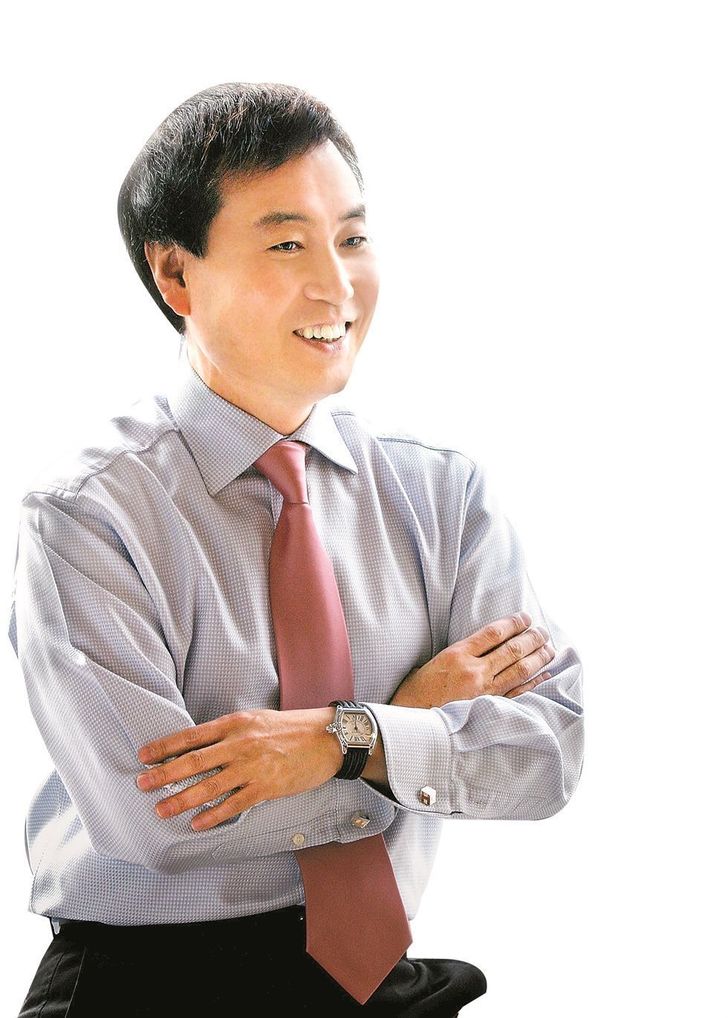
Cha Suk-yong, vice chairman and CEO of LG Household & Health Care / Korea Times file
According to the book, Cha is insightful enough to have discovered the potential of Whoo in the Chinese market, even before its debut there in 2006.
“Shortly after he took the helm at LG, he saw Whoo and exclaimed, 'This is it! It will help us win.' Then he poured all his energy into the brand to make it a star brand in China,” says the author.
Before Whoo's China debut, the skincare team embarked on a thorough analysis of the Chinese luxury market and characteristics of Chinese consumers. Through their analysis they found some striking differences between Korean and Chinese consumers.
Chinese luxury brand consumers are in their 20s and 30s, much younger than Koreans. In Korea, women in their 40s or older are the main consumers of luxury cosmetics.
Rich Chinese usually don't care much about prices if they're convinced the products in question are worth it. Unlike Korean luxury consumers who prefer a rich texture, the Chinese prefer a light texture.
“Wealthy Chinese consumers pay little attention to detergents because cleaning or washing clothes are done by their nannies. But skincare is a different story. They put it on their skin so they become pickier when choosing skincare products. They are willing to pay if they find the right ones, no matter how expensive they are,” the book reads.
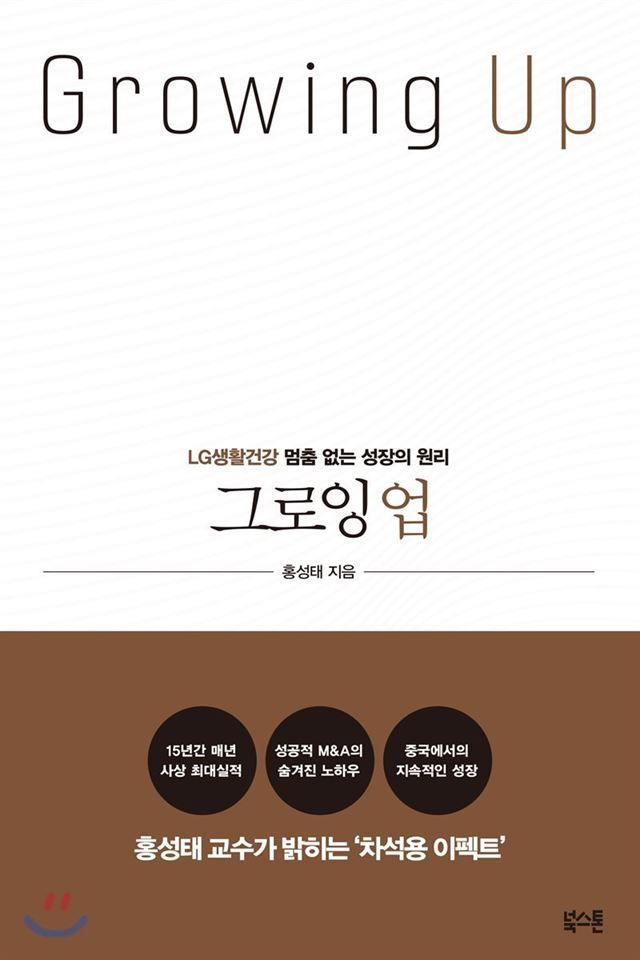
“Growing Up” by Hong Seong-tae
The LG skincare team worked on packaging. They used the colors gold and red, Chinese' two favorite colors, for the containers of Whoo cosmetics to lure consumers.
Their consumer-focused marketing paid off.
In 2017 when many Korean businesses were grappling with the aftermath of the THAAD-driven business crisis in China, LG's skincare was unfazed.
“Like other luxury consumers, wealthy Chinese are loyal to luxury cosmetics. Their consumption patterns are different from ordinary consumers who use medium- or low-priced cosmetics. They're not affected by the consumer boycott which was in full swing back then,” the book says. “They don't care much about government policy and kept purchasing what they liked.”
Since joining P&G in 1985 after graduating university, Cha served as president and CEO of P&G Korea in 1999. He took the helm of Haitai Confectionary & Foods Co. Ltd before he was called upon to serve as CEO of LG Household & Health Care in 2004.
Hong had served as an outside board member for the LG skincare and lifestyle company for seven years from 2006 and this experience helped him notice a leadership factor behind the surge of the company.
The author published the book based on interviews with Cha and LG staff.