HDC's plan to take over Asiana officially terminated

Kumho Asiana Group headquarters in Seoul / Yonhap
By Lee Min-hyung
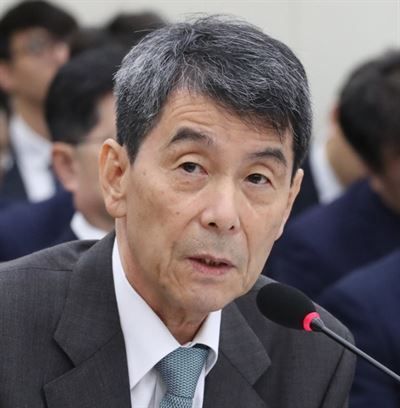
Korea Development Bank Chairman Lee Dong-gull
The termination of the high-profile takeover deal between HDC Hyundai Development Company and Asiana Airlines was officially announced Friday after the cash-strapped airline and its creditors declined to accept HDC's demand for another 12 weeks of due diligence.
The collapsed deal will likely create a stir in the local M&A industry, possibly arousing legal disputes between the interested parties over HDC's contract deposit worth 250 billion won ($210.5 million), 10 percent of the deal's total value.
Following the announcement of the botched deal, Asiana's main creditors ― led by Korea Development Bank (KDB) ― have initiated their “Plan B” on normalizing the business operation of the airline.
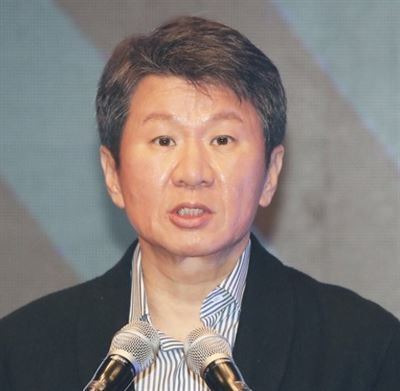
HDC Hyundai Development Company Chairman Chung Mong-gyu
Starting Friday, the creditors will bring Asiana under tight management control to guide the pace of the nation's second-largest carrier's rapidly rising debt following the outbreak of the COVID-19 pandemic. HDC decided to take over Asiana last November, but ditched its plan after the airline's corporate value started falling sharply due to the pandemic.
Plan B centers on providing “immediate financial aid” worth 2.4 trillion won ($2 billion) to Asiana by the end of this year. The aid will be made within a 40 trillion won relief fund ― which the government established to help pandemic-hit key industries.
“We have decided to create the new credit line worth 2.4 trillion won from the relief fund, and Asiana's creditors will continue negotiations with the government to normalize business operation of the airline,” KDB Vice President Choi Dae-hyun said Friday in an online press conference.
“Both Kumho Industrial, the largest shareholder of Asiana, and HDC place the blame on each other over the M&A failure, and a lawsuit on the deposit return will likely ensue,” Choi said.
On Friday, KDB Chairman Lee Dong-gull, who extended his term for another three years on Thursday, also held a closed-door ministerial-level meeting with Finance Minister Hong Nam-ki and Financial Services Commission (FSC) Chairman Eun Sung-soo to discuss detailed plans for salvaging the airline.
Under the salvage plan, KDB and the Export-Import Bank of Korea (Eximbank) will convert their perpetual bonds worth 800 billion won in Asiana into shares.
This will allow the creditors to become the largest shareholders of Asiana by obtaining a 37 percent stake in the company, building a legal basis for them to reorganize management of the airline.
Last month, Choi also shared its plan to come up with a series of creditors-led management control measures by converting the perpetual bonds into shares.
One highly feasible scenario is that KDB and the creditors will focus on controlling the worsening financial status of Asiana throughout the year, and put it up for sale sometime next year when the virus panic is expected to subside.
A KDB spokesman said the lender is still leaving a number of options to rapidly normalize the sagging airline.
“For now, specifics over our management control on Asiana have not been fixed, and we will announce details soon,” an official from the lender said.