Lithuania advises against use of Chinese phones
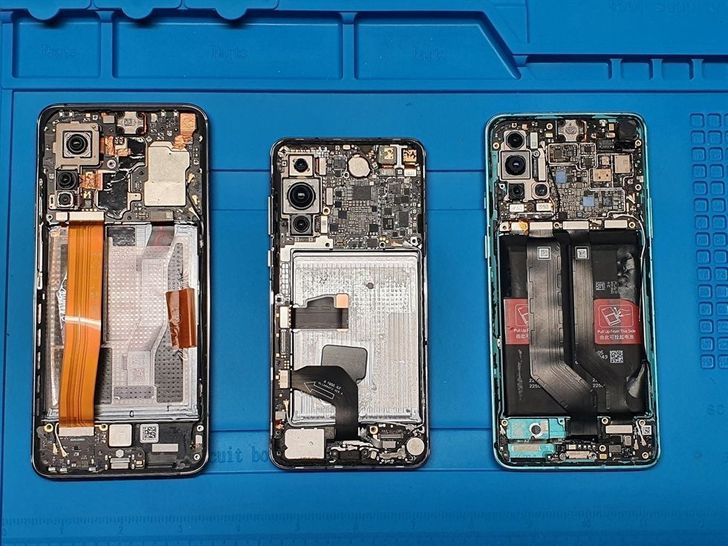
Xiaomi Mi 10T 5G, Huawei P40 5G, OnePlus 8T 5G phones are seen in the Lithuania's Defense Ministry laboratory in Vilnius in this undated handout obtained by Reuters. Reuters-Yonhap
Lithuania's defense ministry on Wednesday said public institutions and consumers should be wary of using Chinese phones, warning about possible security flaws and data leaks.
The National Cyber Security Centre said it had found "cyber security risks" in Huawei and Xiaomi 5G models it analyzed.
"The risks we are speaking about are real," Deputy Defense Minister Margiris Abukevicius told AFP.
The minister noted that around 200 public institutions in the Baltic state make use of Chinese-made devices and said the public sector as a whole "should not use" Chinese equipment.
"This is the best measure for risk reduction," he said.
A report from the National Cyber Security Centre stated that the Xiaomi phone was able to detect and censor phrases such as "Long Live Taiwan independence" or "Free Tibet".
A Xiaomi spokeswoman was quoted by the BBC as saying that their devices "do not censor communications to or from its users".
In this May 16, 2019 file photo, a man is silhouetted near the Huawei logo in Beijing. AP-Yonhap
For Huawei, the report said the phone posed a threat because it automatically re-directed users to third-party app stores which could host virus-infected apps.
Huawei also rejected the criticism.
"Huawei always complies with the laws and regulations of the countries and regions in which it operates, and considers cyber security and privacy to be a top priority," said Mindaugas Plukys, the company's spokesman in the Baltics.
"Huawei clearly indicates when apps are from publicly available sources, so the user is not forced to download any apps. Huawei conducts regular security checks to ensure that the user downloads only those apps that are secure," he said.
Relations between the EU member state and China are fraught.
In May, Lithuania left China's 17+1 cooperation forum with Central and Eastern Europe, calling it divisive.
In July, it agreed to let Taiwan open a representative office under its own name, prompting a pressure campaign by China which seeks to isolate the self-governing democratic island on the international stage.
Beijing halted freight trains to Lithuania and stopped issuing food export permits over the decision on Taiwan, which the communist government considers a territory awaiting reunification, by force if necessary. (AFP)