Rio 2016: Tickets sales celebrated despite many empty seats
By Valter Junior
RIO DE JANEIRO ― No matter which of the biggest sports stars is in action at Rio 2016, there are empty seats in every venue of the Games. Although it’s not hard to find places with no spectators seated even at sold-out sessions, the Rio 2016 Committee is happy with the sales results.
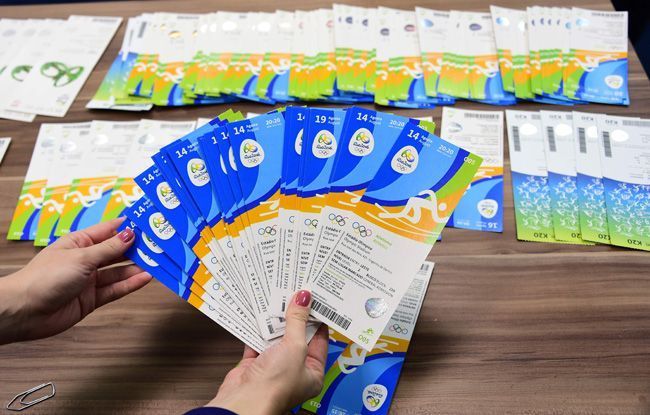
Around 84 percent of 6 million tickets available have been sold but that doesn’t reflect what has been seen inside the arenas. Sports fans that would like to go to the Olympics are complaining because some sports have no tickets on sale anymore yet they see open seats on TV.
“The first reason is that there are many tickets with double journey, with one ticket valid for two games. That means people can arrive and leave at any time. Some people stay for just one game,” Donovan Ferreti, tickets sale director of the Rio Olympics organizing committee, tried to explain.
According to him, the panorama will change when some sports like volleyball, basketball and tennis get to their final rounds.
He might be right on some points as there was a deviation in the number of spectators from one event to another. A ticket for the first phase of beach volleyball gives the opportunity to see four games in a row. When a Brazilian duo was playing, the venue had a higher number of fans compared to the others games of the same session. Even then, it never reached full capacity. When Brazilian athletes are not playing on the sands of Copacabana beach, the stadium is half empty much of the time.
But Ferreti’s explanation is hard to believe for some events. In the opening ceremony, it was possible to see some free spaces in the lower sections of the Maracana Stadium. Novak Djokovic’s men’s singles tennis match against Juan Martin Del Potro also had a slew of empty seats even including the cheapest seats of the venue. The same happened when Serena Williams was on the court for her singles games. It happened again when the United States’ Dream Team played in men’s basketball and seats were empty even for indoor volleyball matches.
Ticket scalping through social media is another issue here. Many people are trying to resell their tickets at higher prices than they purchased.
Those ticket scalpers can also be seen offline as visitors to Copacabana or Barra da Tijuca beaches are openly solicited to “buy or sell tickets.” Forty scalpers were arrested in the first week of the Games.
A British company called THG, not accredited to sell tickets, is being investigated by Brazilian police. Their profit is predicted at around $1 million.
All this is just a massive loss for those that just want to be part of a great party and see the best athletes in the world.
Valter Junior is a journalist for Metro Brazil. He can be reached at vajunior@gmail.com.