Severed leg found in recycling center: Doctor says there was more to the story
Behind the severed leg controversy: 'They were trying to save her'

A nursing hospital in Incheon's Jung District is seen on June 18. Medical staff at the facility performed a leg amputation on a hospitalized woman in her 80s on June 8. Yonhap
A practicing physician has spoken out about a controversial case in which a nursing hospital in Incheon amputated the leg of an elderly patient and later disposed of it improperly, saying the medical staff had tried to save a patient with nowhere else to turn, rather than providing negligent care.
The case gained national attention after the severed leg, which had been mistakenly discarded as recyclable waste instead of medical waste by a volunteer worker, was discovered at a recycling facility. While the disposal error sparked outrage, the physician argued that the medical staff's efforts to treat the patient should also be taken into account.
'In a hospital room, with scissors instead of a scalpel?'
Yang Sung-gwan, an author and family medicine specialist at Uijeongbu Paik Hospital, said in a Facebook post Monday that he initially found the reports difficult to believe.
"When I first heard about the nursing hospital leg amputation case, I could hardly believe it myself," Yang said. "How could a leg be amputated in a hospital room rather than an operating room and with scissors rather than a scalpel?"
The controversy began after a severed human leg wrapped in bandages was found at a recycling facility in Songdo in Incheon's Yeonsu District on June 10. Initial speculation suggested the possibility of a violent crime, but authorities later confirmed that the limb belonged to a female patient in her 80s who had been hospitalized at a nursing hospital in Incheon's Jung District.
The woman, identified only as B, underwent an amputation of her left leg on June 8 after suffering from severe tissue necrosis.
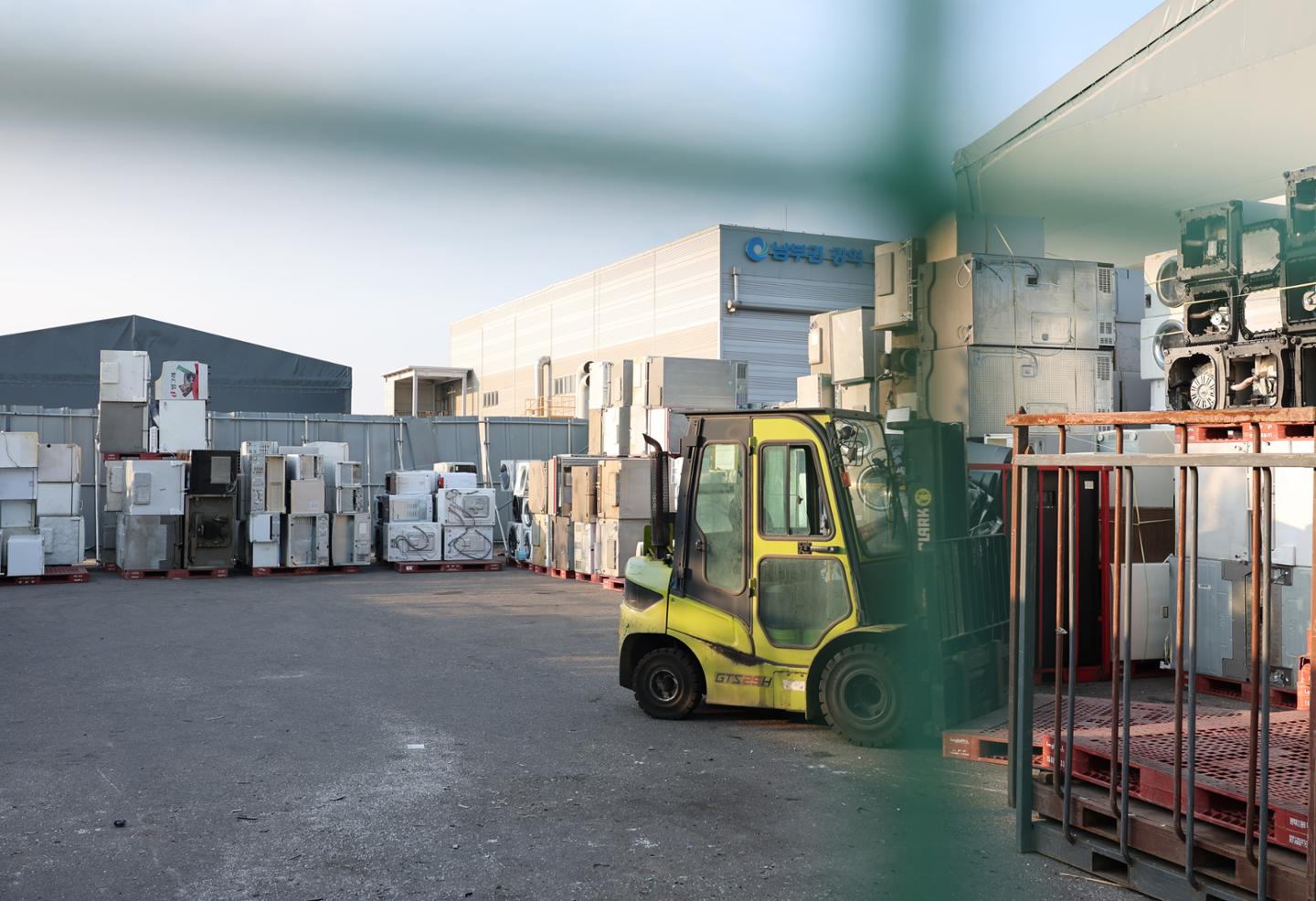
The Southern Regional Resource Recovery Center in Songdo, Incheon's Yeonsu District / Yonhap
Yang said the circumstances were far more complicated than they initially appeared.
"In a typical case, an orthopedic surgeon at a general hospital would perform the procedure in an operating room," he said. However, considering the patient's advanced age and likely underlying medical conditions, surgery under general anesthesia may not have been feasible.
Yang speculated that few hospitals or care facilities would have been willing to accept such a high-risk patient and that the nursing hospital may have become the final option after repeated requests from the patient's family.
'Her life could have been threatened by sepsis'
"If left untreated, the condition of the leg would only continue to worsen," Yang said. "Her life could even have been threatened by sepsis."
He explained that the medical staff ultimately amputated the necrotic limb in the patient's hospital room, without anesthesia and in the presence of family members.
"It was not textbook treatment," Yang said.
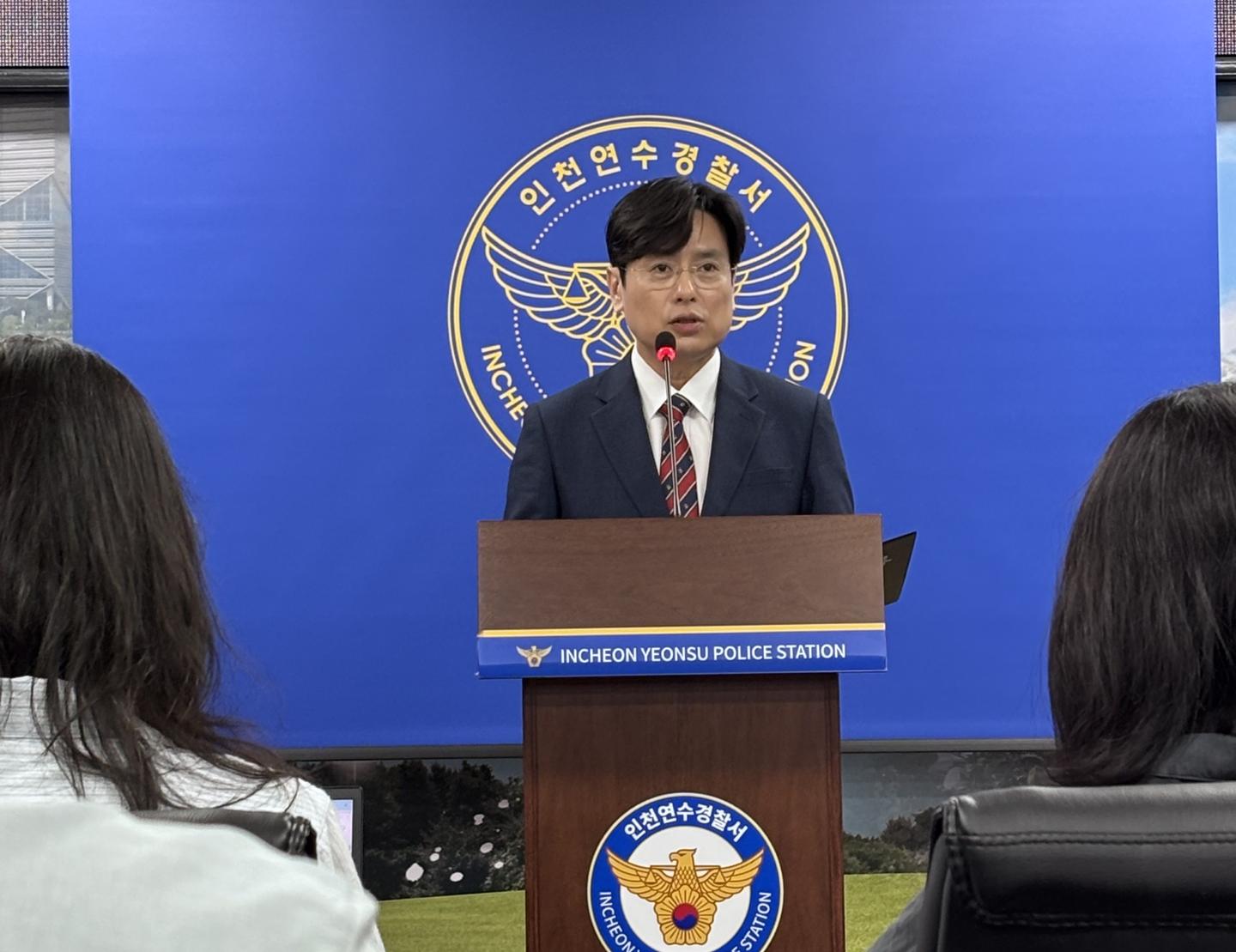
Lee Heon, head of the detective division at Yeonsu Police Station in Incheon, briefs reporters on June 19 about the investigation into a case in which a nursing hospital patient's severed leg was found at a resource recovery center in Songdo. Korea Times photo by Lee Hwan-jik
However, he added that the circumstances facing the medical staff were also far from textbook.
Police are currently investigating whether the hospital and its staff violated medical regulations.
Yang said legal and administrative issues may have occurred but argued that investigators should also consider the realities of the situation.
"There are certainly aspects that could raise legal or administrative concerns," he said. "But from my perspective, the medical staff tried to solve the problem somehow, rather than turning their backs on the patient."
He added that responsibility should be assigned for mistakes made during the disposal of medical waste, but that the case should also recognize the staff's good faith efforts and attempts to provide treatment.
This article from the Hankook Ilbo, the sister publication of The Korea Times, is translated by a generative AI system and edited by The Korea Times.