Working students have new dream
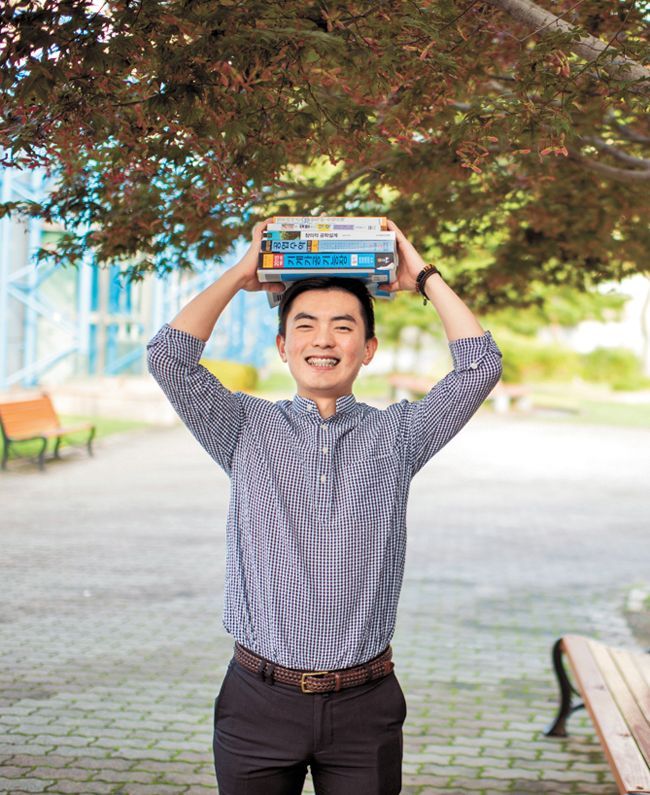
Jo Jae-woo, 26, an employee at Hanwha Techwin and a mechatronics convergence major at Changwon University in Changwon, South Gyeongsang Province / Courtesy of Jo Jae-woo
Vocational high school graduates pursue higher education
By Chung Hyun-chae
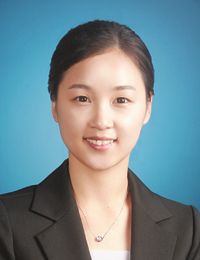
Kim Ji-eun, 24, an employee working at Liveplex and a tax accounting major at Dongduk Women’s University in Seoul
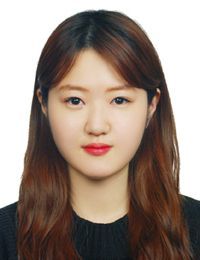
Heo Hye-hee, 24, an employee at Eunsan Shipping & Aircargo Corp. and an international trade major at Dong-A University in Busan
Jo Jae-woo, 26, a Hanwha Techwin employee, leaves the office at around 4:50 p.m. every day to go to Changwon National University to take courses at the mechatronics convergence department.
He has been attending the university since 2014, when he entered his eighth year of working for the energy and safety solution company.
“At one point, I felt the need to upgrade my expertise in technical areas as I had only learned about machining,” Jo said.
He graduated from Busan National Mechanical Technical High School, a vocational high school in the nation’s largest port city, and got his current job right after graduation.
“Like many other students, I opted for a vocational high school due to financial difficulties, and my only goal was to earn money by moving rapidly into the job market,” Jo said. “After I entered high school, however, I began having a new dream _ winning a prize in a skills competition.”
Jo received hard training for the competition during his high school days and finally won the silver medal in the numerically controlled lathe field at the National Skills Competition in 2007.
His current company offered him a job in recognition of his achievement.
Jo was also recognized for his ability after entering the company as he won the gold medal in the 40th World Skills Competition in 2009 by setting a record for receiving a perfect score.
It had been 16 years since Korea won first place in that field at the competition.
“Strangely, I felt empty after achieving everything I had sought at an early age,” Jo said. “Probably for that reason, I started to be eager to learn more about my field, and luckily I saw on the company’s bulletin board a notice that those with more than three years of working experience can apply for university.”
After applying for Changwon National University, he passed the interview and was admitted.
“At first, I was so excited that I could major in engineering which I wanted to study at a university, but of course it is difficult, especially for people like me who work three shifts and study at the same time,” Jo said.
But he stressed that he is gaining more than he expected.
“I made connections with people who aim high, and I can directly apply what I’ve learned at the school to my workplace,” Jo said. “The best thing of entering college after getting a job is that I know exactly what I want to study, so that I can choose the major I need the most.”
He said his final goal is to be a master workman which requires more than 20 years of work and a patent application, as well as various certificates.
The Ministry of Education and the National Institute for Lifelong Education have paved the way for vocational high school graduates like Jo, who chose to work instead of going to college, to continue their higher education.
They had 23 universities in 2012 launch special departments to which workers with more than three years of work experience can apply. The schools select students only by conducting interviews.
The number of universities which established special departments for working people increased to 88 in 2015.
“We try to give opportunities for working people to receive high quality educations at universities, the most reputable educational organization,” said Lim Hyun-min, who has a Ph.D. in adult education and works for the lifelong education institute. “With people’s life expectancy getting longer, people also need to receive more education to build up their career.”
The ministry announced last month that it plans to select about 12 universities in 2016 to establish colleges specializing in lifelong education and will invest 30 billion won on the project.
Kim Ji-eun, 24, a student of Dongduk Women’s University, works at Liveplex, an online game company. She studies tax accounting in the school after work.
“What I gained the most is people _ I can consult with school seniors and juniors about troubles at a workplace,” Kim said.
She repeated one year in her middle school because she suffered a rare disease in her senior year and had to enter a vocational high school due to relatively low middle school grades. However she dreamed of getting a job in accounting after entering high school.
“Now I think that it was a good choice for me to go to a vocational high school in that I found my aptitude and developed practical ability for three years,” Kim said.
She successfully landed a job at an accounting firm after her graduation.
“Although I managed to find a job, I felt discrimination in the workplace against employment with only a high school diploma , and sought ways to earn a bachelor’s degree,” Kim said. “By attending the university I could improve my self-esteem.”
She believed that her university life helps her a lot in her career, citing her improved performance rating.
For Heo Hye-hee, 24, who is working at Eunsan Shipping & Aircargo Corp., one of the biggest reasons she decided to continue her studies was also to improve her specialty as a logistics expert.
“One day while having a conversation with my supervisors at work, I felt the need to study more about the distribution industry, and they informed me about the route to enter a university without having to quit my job,” Heo said.
“After I was admitted to the international trade department at Dong-A University, the best private university in Busan, I could learn trade theories which helped me understand my work better.”
As Heo had long been dreaming of enjoying her youth, she actively participated in her university life by joining a science group and taking part in the school’s festival.
Actually she had to go to Busanjin Girls’ Commercial High School, one of the vocational high schools in Busan, because of her family’s financial difficulties, even though she had the high academic reports from her middle school and wanted to go to university.
“Now I do not think I fell behind my peers. I have a new dream to be a talented leader in trading circles,” Heo said.