Time to root out internal discord at overseas embassies

Foreign Minister Kang Kyung-wha prepares to answer questions from lawmakers while participating in a National Assembly meeting on Yeouido, Seoul, Wednesday. Yonhap
Ambassadors urged to be given more authority
By Lee Min-hyung
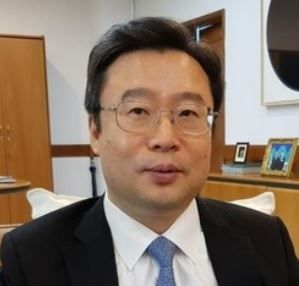
Toh Kyung-hwan, Seoul's former ambassador to Malaysia
Despite Foreign Minister Kang Kyung-wha's promises of “stern punishment” for any ethical lapses among ministry officials ― if found ― controversy surrounding the ministry is showing no signs of abating.
Starting last year, the ministry has been at the center of controversy for unceasing reports on alleged inappropriate acts and comments committed by senior diplomats during their given diplomatic missions.
The latest in a series of internal disciplinary actions came when the Ministry of Personnel Management decided to dismiss South Korean Ambassador to Malaysia Toh Kyung-hwan for abuse of power and violation of the Anti-Corruption Law.
Toh allegedly verbally abused his staff; and did not return a traditional Korean “hanbok” outfit to the host of a fashion event after attending the show, which the personnel ministry viewed as a violation of the anti-graft law.
In particular, the former ambassador was known to have failed to properly control his staff, including diplomats and attaches, during his tenure since February last year. He had spent most of his civil service career as an administrative officer with entities such as the Ministry of Trade, Industry and Energy.
Despite having no diplomatic experience, he was named ambassador under the government's policy drive to seek diversity in diplomacy by hiring officials from all walks of life, such as politicians and scholars. The government aims to increase the portion of ambassadors from non-diplomatic circles to 30 percent.
The intention appeared good enough, but as shown from a series of such controversies, the resultant reality is far from the policy's aim.
This is because certain “diplomats” seem to get a sense of entitlement, so it is widely known that they do not establish “good chemistry” with officials such as Toh, a non-traditional career diplomat.
Toh did not have authority in managing personnel affairs. This means he was unable to impose disciplinary measures on his staff, even if they did not follow his instructions.
Kim Do-hyun, Seoul's former ambassador to Vietnam, was also dismissed last month for verbal harassment of his staff. Kim started his career as a diplomat and also served as an executive at Samsung Electronics before being appointed to the position last year.
But he was known to have faced difficulties in managing Korean attaches at the embassy. The attaches were not career diplomats and were dispatched from various government organizations. There is a pervasive culture that attaches posits are for those who seek to “take a rest overseas,” and for this reason, they are not willing to take a stand in resolving difficulties overseas Korean residents face.
Ambassadors lack the legal authority to exert control over such lax attitudes toward work.
“It is inevitable that ambassadors fail to control such a lax working culture, as they cannot exercise power in performance reviews of the attaches,” a former official from the foreign ministry said. “If the foreign ministry wants to stop such controversies from happening, it has to give more authority to the ambassadors.”
It will take a long time for the ministry to root out such a culture, but without such an institutional revision, no changes can be expected, he concluded.