Pak calls for stronger anti-corruption drives in Asia-Pacific
By Kim Rahn
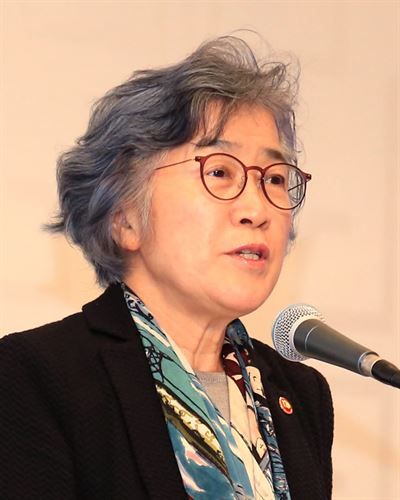
Pak Un-jong
Anti-corruption organizations in the Asia-Pacific region need to make efforts to materialize people’s desire for a transparent society, said Pak Un-jong, chairwoman of the Anti-Corruption and Civil Rights Commission (ACRC), Thursday.
The Anti-Corruption and Civil Rights Commission (ACRC) co-hosted the ninth Regional Anti-Corruption Conference of the Asian Development Bank (ADB) under the auspices of the Organization for Economic Cooperation and Development (OECD) Anti-Corruption Initiative for Asia-Pacific at the Millennium Seoul Hilton hotel from Wednesday to Thursday.
Some 350 people from anti-corruption agencies in 31 countries and international organizations took part in the meeting.
Pak gave the example of Korea, which adopted an anti-graft law last year and saw massive protests by citizens that led the removal of former President Park Geun-hye because of a corruption scandal.
“While undergoing social changes caused by the anti-graft act and the process to overcome the presidential corruption scandal, we saw how strong and high Korean people’s demand for anti-corruption was,” Pak said in an opening speech.
She said she believes public recognition and desire for anti-corruption in other Asia-Pacific countries may not be that much different from Korea. “When anti-corruption agencies of each country understand these demands and make efforts to materialize it, an anti-corruption culture will be expanded throughout society.”
Prime Minister Lee Nak-yon also said corruption is one of the factors preventing Asia-Pacific countries from developing their economies despite their high potential or resources. “Transparency levels of regional nations are still relatively low compared to their economic power. The region’s anti-corruption movements should be reinforced,” Lee said.
The conference was established by the ADB and the OECD in 1999 to support Asia-Pacific nations’ efforts to eradicate corruption.