Stork expert faces funding cuts
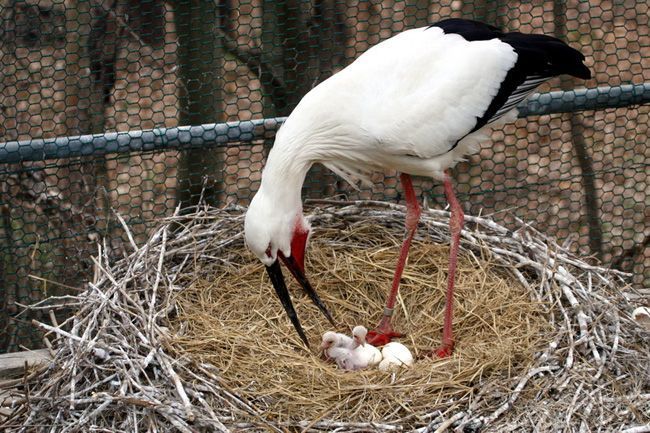
Professor Park Shi-ryong has bred more than 160 storks, which are now extinct in Korea, at the Institute for Oriental Stork Ecology in the Korea National University of Education in Cheongju, North Chungcheong Province, for the past 20 years. / Courtesy of Institute for Oriental Stork Ecology
By Ko Dong-hwan
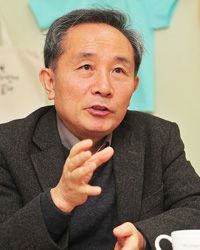
Park Shi-ryong
Park Shi-ryong, Korea’s most prominent stork expert, who has bred more than 160 of the extinct species, is in danger of having his financial support cut off.
The Korea National University of Education professor worries that if the Korean government accepts his file to deregister his incorporated association ― the Institute for Oriental Stork Ecology inside the campus in Cheongju, North Chungcheong Province ― it legally bans the research center from receiving financial donations from civic entities.
“I filed for it after the school persuaded me to do so and re-register the center under the school as its new arm of business,” Park told The Korea Times.
“The school promised me that it would provide the funds necessary to keep the center running.
“But after I deregistered the center, the school broke the promise.”
The school advised Park to dissolve the center after the Ministry of Education discovered during an audit in 2014 that the center had been using 1,630 square meters of state-owned land inside the campus without the government’s permission since the center was established in 2008.
The ministry ordered the school to pay 100 million won ($87,000) in back rent.
Park filed a suit against the decision in August calling for its annulment, saying the school knew he had been using the land.
.jpg?w=728)
Storks bred by Institute for Oriental Stork Ecology live in Chungram Stork Park inside the Korea National University of Education, above, and Yesan Stork Village in Yesan County, South Chungcheong Province.
Park is waiting for the ministry’s decision on whether it will dissolve the center.
If the ministry does so, the center, which has been receiving financial funds from the government and civic entities, can no longer receive funds from the latter because the center is not an incorporated association anymore.
The decision would also shut down construction of natural habitats for storks in Yesan County, South Chungcheong Province.
“Civic help has been big to the center, including LG Foundation’s annual 100 million won for the past five years and 10,000 won from each member of Stork Club, a community of stork-loving people,” Park said.
“If the center gets dissolved, I will need to set it up somewhere else as a new incorporated association to continue my stork revitalization project.”
Park has been breeding storks for the past 20 years.
In April, he stopped breeding them after two main breeding grounds ― Chungram Stork Park, inside the school campus, and Yesan Stork Village in Yesan County, South Chungcheong Province ― are at capacity with 160 storks.
Park says more natural habitats for storks are needed across the nation to secure the birds’ perpetual survival in the wild.
He has been promoting a chemical-free farming technique originating from Japan called “stork-friendly rice farming,” which naturally forms habitats for the birds.