My fascination with Seoul

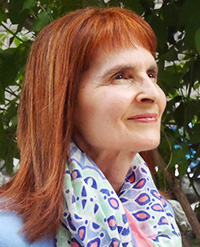
Theresa Hyun
This is the first in a series of contributions about Seoul’s charms as seen from foreigners’ points of view. ― ED.
By Theresa Hyun
These days, it’s easy to find guidebooks written in a number of foreign languages which focus on specialized aspects of Korean culture, from cuisine to nightlife to templestays. When I visit Seoul, instead of consulting the internet or flipping through the pages of a tourist pamphlet, I embark on a journey in the streets nearby my hotel.
The neighborhood is full of intriguing people. One example is the local shoeshine man who sits in his covered stand every day of the year, except Sundays and holidays, surrounded by piles of worn-out shoes. I can’t help thinking that he is a kind of savior humbly polishing out the stains of our daily lives.
Further down the street is a small fruit and vegetable shop run by three generations of a family. The sprightly grandmother with curly gray hair never fails to question me about my eating habits. As she weighs my fresh carrots and radishes, I assure her that I eat kimchi regularly while I’m in Korea.
The grandson bustles about unloading crates of melons and stacking sesame oil and other condiments. At the cash register his father relates the family saga of coming up to Seoul from the countryside when he was a boy and moving from place to place until they settled on a busy corner where local housewives gather.
On days when I’m in a more adventurous mood, I head for the traditional market where, as they say, there’s nothing that isn’t there. Since daybreak, trucks have been unloading fresh produce from various parts of the country.
Wandering from stall to stall, I feast my eyes on a cornucopia of items to consume. One section features every imaginable type of grain, and around the bend I find wriggling octopus and claw-snapping crabs before coming face to face with a large pig head. Moving beyond culinary delights, I find an array of household items, sporting goods and electronic equipment.
The overwhelming abundance stimulates my appetite, and I turn my steps toward the rows of gimbap (seaweed-wrapped rice rolls) stands until I come to Dr. Gimbap. I’m intrigued by the precision of Yong-hee, her mom and aunt who deftly brush sesame oil onto flat pieces of roasted seaweed, press on rice, add slices of radish and carrot, roll, slice and package.
They hawk their wares with a melodious “3,500 won per bag, 3,500 won!” I purchase a warm fragrant bag, and as I munch I ask them for their recipe. They wonder if I’m in the restaurant business, but I explain that I miss Korean food when I’m home.
Since I’ve become addicted to gimbap, I turn up at their shop every few days and I learn that Yong-hee has been dreaming of studying dress-making overseas since high school graduation. At first she consulted several fortunetellers in the alleys in the back of the market, but finally she realized her path forward. At Dr. Gimbap, mother, daughter and aunt pave the way roll by roll, bag by bag, day by day.
The most fascinating aspects of Seoul are the Seoulites themselves.
Theresa Hyun is a Korean studies professor at York University in Toronto, Canada. She is also a Canadian Korean-language poet and honorary member of the Korea Canadian Writers’ Association. Hyun is based in Toronto, but lived in Korea for more than a decade from the 1980s to the 1990s and continues to visit Seoul every year.