How we are so alike!
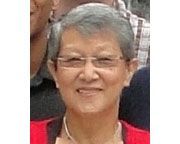
By Young Hoy Kim Kimaro
It has been nearly 15 years since I joined my husband in Tanzania after retiring from a job in the U.S. Although we had spent month-long vacations in Mwika, our home village, practically every two years over 30 years prior to retirement, still settling in to live there was quite a cultural shock, a shock that’s magnified by vastly different sights and sounds that surrounded us.
Now that I have lived here long enough for those sights and sounds to no longer rattle my senses, what once appeared as being worlds apart no longer seem so. Instead, I am discovering from day to day how much the Chaggas on Mount Kilimanjaro and Koreans have in common.
The first thing that comes to mind are Chagga women. Yes, like the majority of folks of that gender worldwide, they serve. They serve their husbands; they serve their children; they serve their parents, their relatives. While they are at it, just like their Korean counterparts, Chagga women ruffle a lot of feathers or, as a saying goes in Korea, create a lot of wind with their skirts (chima baram).
Chagga women are fiercely dedicated to their families and their children, and would not spare themselves, toiling day and night to see their children succeed. Aren’t Korean women famously so? And in the process aren’t Korean women said to raise a lot of chima baram too?
Visits here happen unannounced at any time. According to a saying here, when there is a knock on your door, welcome the stranger in because you never know when the stranger turns out to be an angel. Visitors are always welcomed. At meal time? That’s no problem either. The visitor shares the meal with family.
I remember eating at friends’ and relatives’ homes time and again, while growing up in Korea. No one thought anything of it. This unspoken, gracious hospitality is how it is also among the Chaggas.
Then, after eating, how does one thank the hostess? “Nimeshiba (I am full),” says a Chagga. Isn’t that exactly what we said in Korea? Thanking the host for the delicious food, I believe, came somewhat later, after feeling full was less of an issue than satisfying the palate.
One day, an elderly couple came to give a talk on Chagga culture to a dozen American visitors we were hosting for dinner. Their deep knowledge of the Chagga culture and love for it enthralled our visitors. A few days later I sent them by “pikipiki (a motorbike taxi)” a fruit basket to thank them. The basket came right back filled with freshly harvested beans and a bottle of honey from their farm. I was so touched. Chaggas never return a gift basket empty. Isn’t that how it is also in Korea?
And oh, the politeness. The Chaggas are super polite and soft spoken. In admiration I observe their untiring politesse and patience. Every visitor to the slopes of Kilimanjaro remarks how gentle and kind they are just as every foreigner who has visited Korea who I run into tells me the same about the people they encountered in Korea.
But sometimes blessings come with complications. With so much politesse, how does one handle differences of views and conflicting emotions? Isn’t the tendency to ignore them, brush them aside; look for a carpet to sweep them under, all the while keeping cool and smiling? Meanwhile unresolved conflicts bubble below the surface.
Here Korea and Chaggaland part ways. In Chaggaland, the bubbles often explode. One hears of family members taking each other to village court to settle matters. And in Korea? How do the bubbles get resolved…?
Korean youth hand over their first salary to their parents – at least they used to. Well, so do (or did?) the Chaggas. Forty plus years ago, when Kimaro received his first salary as a lecturer at the University of Dar es Salaam, he dutifully traveled with it for 12 hours on unpaved roads to his father in Mwika. His father received the salary with due ceremony as per tradition then, to his surprise, put it right back into his hands. “Take it to your wife. She needs it more,” his father said to him.
Looking back, I marvel at his father’s sensitivity and wisdom, his willingness to step beyond what “tradition” called for. That act of filial gratitude on Kimaro’s part would have been okay had we been on the farm where our livelihood could be met from the products of our farm. But living in an apartment in a city some 550 km away from that source, we would truly have been hard up.
It’s so easy to assume that Chaggas and Koreans sitting opposite sides of the globe, are worlds apart. But it takes just a little scratching below the surface to discover that we are a lot like each other, more so than we ever imagined.
The writer resides on the slopes of Mount Kilimanjaro in Tanzania. She worked for the World Bank for nearly 30 years and her email is youngkimaro@gmail.com.