Talking about mental health: from silence to loud hope
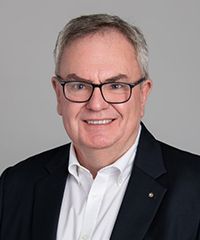
By Gordon McInally
I recently came across an article about the tragic story of a young and well-known Korean pop star who took his own life. In the article, friends, co-workers, and fans all spoke with one voice: He was a bright individual, and they had no inkling that he had suffered silently.
One prevailing trait of mental health issues is the quiet demeanor exhibited by those suffering from them. This is especially true in places where it is customary to avoid discussing mental health problems. In the most tragic cases, families or friends only come to realize that there was an issue after they lost their loved ones.
I have had a similar experience. My brother, Ian, who was three years younger than me, was an active member of Rotaract, an international organization that fosters leadership and responsible citizenship. He worked in the IT industry, and was happily married. His passing in 2014 shook me to my core. The lives of those who cared for him were forever altered, each one of us grappling with the question, “What did I miss?”
I will likely ask that question for the rest of my life. However, I have also become engaged in conversations about mental health and was delighted to discover that many members of Rotary International are already heavily invested in this subject. I committed myself to supporting mental health organizations. And now, as the President of Rotary International, a volunteer organization with 1.4 million members worldwide, I urge volunteers to help break the stigma of discussing mental health challenges, create awareness of the growing need for mental health support, and focus on ways we can expand access to care for the people we serve.
The first step on this journey is to open up a dialogue about mental health. Sharing the story of my brother's passing is difficult for me as well, but I decided to speak out to reassure people that they aren't alone in their struggles and that seeking help is an act of strength. My aspiration is that by initiating these conversations, more individuals will openly discuss their mental health challenges and work together to find solutions.
Before visiting South Korea earlier this year, my attention naturally turned to the country's experience with mental health. Remarkably, South Korea holds the highest suicide rate in the world. Thankfully, you are open to ideas about addressing this challenge, and today are one of the most active hubs for mental health projects within the global Rotary community.
Since 2020, Rotary members in Korea have been driving various projects across the nation, ranging from dementia prevention and developmental disability support to aiding youth with self-harm scars and providing mental health care for immigrant families. At this moment, the most significant Rotary mental health project in the world is underway in Korea, helping to set up mental health facilities to support victims of child abuse.
These projects are a great start, but there remains a gap in comprehensive approaches, support networks, and systemic structures related to mental health within society. This void, prevalent not only in Korea but in most countries, can largely be attributed to the culture of stigmatizing mental health issues.
Mental health issues can happen to anyone, anytime, to our loved ones or even to ourselves. Therefore, cultivating a culture where we openly discuss these issues and seek help is crucial.
In the year ahead, Rotary members across the globe will focus their efforts on advocating for mental health, engaging in dialogue, and initiating projects that emphasize the significance of community, mutual support and self-care. These projects will continue in the years ahead, led by the Rotary Action Group for Mental Health Initiatives.
I extend an invitation to you to join these efforts, to recognize mental health concerns within your own communities, and to spark conversations, because your contributions will catalyze meaningful change within your own society.
Gordon McInally is president of Rotary International. A dentist by profession, he obtained his dental surgery degree from the University of Dundee and ran his dental practice in Edinburgh until 2016.