Making clean energy transition in cleaner ways
By Choi Bada

The transition to low-carbon renewable energy has been happening around the world. It would not be possible without the idea that this form of energy is clean, as its generation does not release greenhouse gases that cause global warming.
I do not doubt that renewable energy can provide global climatological care to salvage our damaged planet and all forms of life on it. I also fully support the worldwide effort to harvest green energy and to transform energy systems.
Nevertheless, we need to keep thinking critically about how to make a better transition to a more sustainable energy future. A good place to start is to look closely at how renewable energy is produced by taking the extraction of solar and wind energy as empirical examples.
As major sources of renewable energy, wind and sunlight are immaterial and thus physically resist enclosure, which makes them distinct from other subterranean and terrestrial natural resources, such as land, minerals and fossil fuels.
But they can and must be captured and farmed to convert their energy into electricity. This renders solar and wind energy inextricably entangled with land.
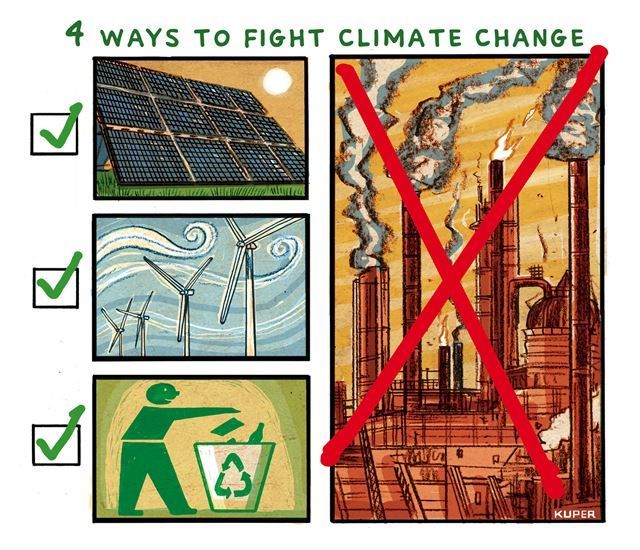
Producing solar and wind power entails enclosing large tracts of land to install critical energy infrastructure, such as wind turbines and photovoltaic panels. A massive land area is also necessary given that solar and wind have, by nature, a lower energy density than fossil fuels.
Since the acquisition of land is a prerequisite to developing wind and solar power, it often brings about asymmetric power struggles over land in different parts of the world. These conflicts share similar storylines as stated below, despite the differences in the details.
Domestic and transnational corporations, often with strong support of state authorities, strive to devalue and acquire the lands of indigenous populations who are often peripheralized and impoverished in the name of renewable energy extraction.
Many of the marginalized local social groups cannot know and set the monetary value of their lands and assert their worth, making it hard for them to negotiate with the land seekers. The renewable energy developers often succeed in acquiring ― or, to be more precise, grabbing and even plundering ― the lands.
The indigenous people often do not receive adequate compensation for the loss of the lands and, even worse, would not enjoy the modern life and other benefits enabled by electricity.
Yet local communities do not always merely remain passive and powerless victims who stand still against the unjust land grabbing and dispossessions that enable and accompany solar and wind power generation.
Many groups have sought to protect their meaning-laden lands and local ways of life built upon the former from capitalist energy developers through a wide array of actions and discourses.
It is worth noting here that they rarely critique and go against renewable energy itself. Instead, their resistant praxis seeks to criticize and alter the ways in which the development of green energy has unfolded on the ground and the specific shape that it has taken.
Foregrounding land's indispensability in solar and wind power enables us to look at and think about sociopolitical practices, relations and processes essential for the actual production of renewable energy, which then contributes to unsettling the widely accepted idea of the cleanliness of renewable energy.
Renewable energy has a clean and sustainable nature in the ecological sense. But this does not mean that renewable energy is also clean and benevolent in the social sense, especially considering how it comes into being.
Rather, clean energy is often socially dirty, intrusive and violent, because establishing a material basis for producing it or the process of creating that condition tends to involve forced sufferings and involuntary sacrifice of the weak.
Attached to the shift to green energy are diverse social, political and economic practices, ones that inevitably influence how the transition happens and what occurs in the transformation. It is without making substantial changes to those practices that renewable energy cannot become clean and even cleaner socially, not merely environmentally.
We must do our best to accomplish the clean energy transition in a cleaner, fairer and more democratic way that pursues legally and morally rightful access and use of lands and minimizes the possibility of causing other social issues.
Choi Bada (ckai421@gmail.com) is a cultural anthropologist and a writer.