Yellow coreopsis flowers and bees
By Kim Jeong-kyoo
Living in rural village, I like to walk along paths adjacent to rice fields at the foot of a mountain. As I amble along a shallow stream that meanders around the edges of the fields, a cool, early summer breeze grazes my face.
Yesterday, I went out for a walk as usual. As soon as I reached the entrance to the broad fields, scores of wild flowers caught my eyes. They were part of an awe-inspiring scenery in the lazy afternoon sun. I became mesmerized by the gorgeous landscape dotted with yellow flowers along the roadsides and in the fields.
The name of the yellow flower, I found out later, is coreopsis, a wild chrysanthemum. The flower from North America is the perennial wild plant that sows itself practically everywhere ― roadsides, open fields and hills.
I started taking pictures of the flowers. Suddenly, I noticed bees busily collecting honey from the flowers, which genuinely astonished me. Until I encountered the buzzing honeybees there, I hadn't the slightest idea that they were still around. As far as I knew, unable to fight back against serious air pollution near towns and cities, honeybees have migrated to remote places.
Unfortunately, not many bees can be spotted these days, which means we've damaged our environment. There's growing public concern over a decline in the number of bees. Undoubtedly, the decline stemmed from a combination of air pollution and climate change, which left them in trouble.
Indeed, serious air pollution, combined with grave climate change, are tormenting wild animals in nature, destroying the ecosystem. We are witnessing how unmitigated environmental disasters are changing our surroundings, endangering plants, animals and insects around us.
Nevertheless, I was glad to see the bees, which are a great symbol of nature. Among beneficial insects, bees are the most susceptible to environmental pollution. And bees that are remaining among us prove that the environmental damage we caused is still reversible.
However, we face an urgent need to respect nature and carry out prompt measures to restore a clean, healthy environment. We need to act now before the bees leave us. It will be too late if we start to take action after the bees have abandoned us. Taking belated action, we cannot undo what has already been done. We will soon find ourselves stuck in an irreversible environmental disaster.
Burning fossil fuels such as coal, natural gas, oil and gasoline releases carbon dioxide into the atmosphere. This is the main culprit that sparks air pollution, climate change and global warming.
We are aware of various ways of reducing air pollution and mitigating climate change. Now is the time to hurry to do what we know we can do.
For my part, I aim to drive my car less to contribute even a little to human efforts to cool the earth. I walk more, seeking to take public transport. Less driving equals fewer exhaust fumes from car engines, which helps reduce air pollution and climate change.
Also, I use as few lights as I need, turning off my television and computer when I'm not using them. In the cold season, I turn down the heat to save energy. Feeling chilly, I just layer up for warmth. Using less energy means burning less fossil fuels and reducing greenhouse gases.
Besides, I wash my hands and face with cold or lukewarm water to reduce the energy needed to heat the water. I prefer to buy locally grown food to help cut down energy needed for transport.
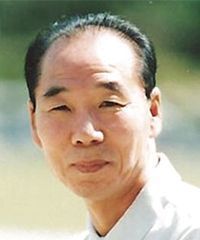
The author was once a university professor and lives in a rural village near Seoul.