Age is just a number
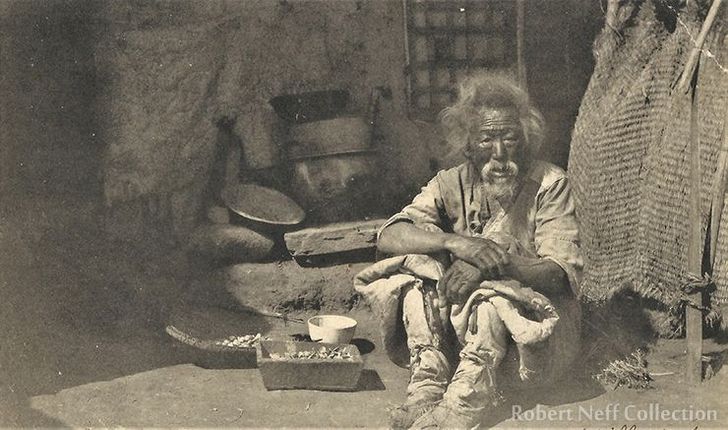
An elderly gentleman of Jemulpo said to be 107 years old in the early 20th century. Robert Neff Collection
By Robert Neff
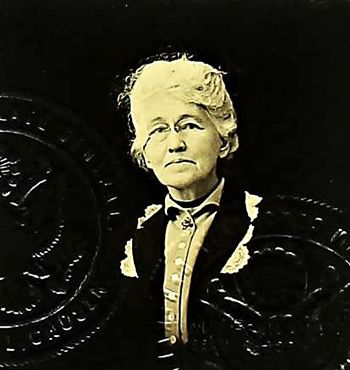
Mary Lange Johnson's passport picture in 1920 when she was 67 years old
For many of us, birthdays are not a cause for celebration ― in fact, they are something we try to forget. However, living in Korea, we are constantly reminded of our age as it plays such a vital role in social interactions. Depending on age, we speak to people in different manners and address them with different titles. It can also lead to some serious misunderstandings and hurt feelings.
One of my favorite anecdotes of age is when John M. B. Sill, the American minister to Korea in the mid-1890s had his first audience with King Gojong. Prior to his royal audience, he gathered with all the “principal men of the realm” and through his interpreters was asked a series of “questions of all kinds in truly Korean fashion:”
“How did I like Korea? Had I ever been here before? How did the climate suit me? How was the President and how were all the people of the U.S.? Of course I told them that President was in great shape and that the people of the U.S. were every one of them in the best of health etc. Then, how old was I? And when I said 63 they began to think I was a boastful fraud. It is in Korea a great thing to be old and they looked me over and pointed to my hair and grinned sarcastically. They evidently thought I was doing some tall bragging. The President of the War Office, a venerable white haired man, looked particularly injured and incredulous. He said, 'Why I am only 65 and I am a great deal older than you.' I bet that this suffered exaggerated accounts of my age had brought me into some discredit. So I at once resolved to be quite modest even at the expense of veracity.”
Age also played a part in punishment. Unmarried men (regardless of age were considered to be mere boys and could be spoken to in a rude manner) and received lighter sentences than their married peers. The Independent ― an English language newspaper published in Seoul ― frequently noted amnesty granted by the king to prisoners who were very young or over the age of 70.
Sometimes Westerners also used this veneration for the elderly to their advantage.
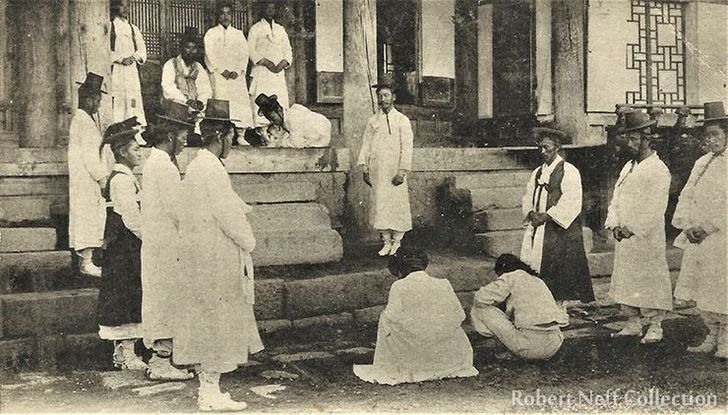
A man and boy awaiting judgment. Circa late 19th century. Robert Neff Collection
During the Russo-Japanese War (1904/05) many of the women in the Western-owned gold mining concessions in northern Korea were evacuated to Seoul and Fusan (modern Busan). Some of the women, like Mary Lange Johnson, a widow, decided to return to the United States. While waiting for her steamship in Japan, she was caught taking pictures of some of the fortifications and was summarily arrested on suspicion of being a Russian spy.
Fortunately for her, the Danish captain of the ship came to her rescue. Johnson's hair ― despite being only 51 years old (she apparently told everyone at the mining camp she was 45) ― was completely white and this was her salvation.
The captain told the Japanese authorities that Johnson ― despite having a young face and appearing to be in good health ― was actually 96 years old. This assertion was met with disbelief until the captain removed her hat and revealed her hair to be “almost the whiteness of cotton.” He explained that Johnson came from a part of the United States famous for the longevity of its residents and that only their hair betrayed their true age.
The captain's ruse worked and she was promptly set free. According to an American newspaper, it was the veneration of the Japanese for old age that had saved Johnson's life.
Too old to enjoy the bloom of youth and too young to enjoy the perks of being elderly, I guess today I will eat my seaweed soup while valiantly trying to reassure myself that age is just a number. In my case, it is always the wrong number.
Robert Neff has authored and co-authored several books including, Letters from Joseon, Korea Through Western Eyes and Brief Encounters.