Woodstock revisited: Peace on the peninsula with the DMZ Peace Train Music Festival
By Young H.K. Pae
Japanese writer Murakami Ryu described 1969 in his autobiographical novel “69:” "The Beatles released the “White Album,” “Yellow Submarine,” and “Abbey Road,” the Rolling Stones had a huge hit with “Honky Tonk Woman” and long-haired hippies cried for love and peace. Charles de Gaulle resigned, and the Vietnam War was still raging on. That was 1969."
But the United States was struggling with political and social problems, and the Vietnam War did not show any signs of ending. The hippies who marched and championed messages of anti-war, love and peace sought escapism and a peaceful life, and this was viewed as a form of passive resistance to the old generation.
For the hippies, they needed a new occasion or center point from which to spread their culture. The news that the festival was to be held on the Bethel Plain once again provided an opportunity for the hippie culture to converge.
Woodstock became an object of utopia, a perfume. It was no coincidence that the Woodstock Festival was held in the United States in 1969 when the U.S. was boiling over and craving change. It was the one of the world's most significant cultural events of the 20th century, symbolizing the 1960s counterculture and the antiwar movement.
The current situation of war and violence in the 21st century is similar to that of the 1960s, and it is encouraging that the “DMZ Peace Train Music Festival” will be held.
The “DMZ Peace Train Music Festival” is going to be a fantastic event that sends out a message of peace to the world and hopefully becomes an everlasting symbol of what is possible.
The “DMZ Peace Train Music Festival” will be held on June 23 and 24 in Cheorwon, a small town near the DMZ (Demilitarized Zone). The man responsible for planning the festival, Kong Yoon-young, aims to stage a symbolic music event in a place more commonly known as the world's most heavily fortified border, a place where the South and North point guns in both directions, and communism and democracy face off against each other.
Until now, there have been many attempts to host music festivals in the DMZ, but few have been successful due to the many difficulties they face. During the initial planning of this event, the political situation between North Korea and the U.S. reached a nadir last year. However, Kong never lost hope and kept faith in his dream. That dream has been realized following the recent inter-Korean summit and a far more relaxed and peaceful attitude on the Korean Peninsula
Kong is also responsible for the Zandari Music Festival that gives Hongdae underground musicians many chances to perform in front of fans, as well as brings foreign musicians to the country. Through this event, he is also interacting with many musicians and agents from overseas. The Zandari Festival will be in Hongdae in mid-October. Zandari aims to create a venue for underground musicians to perform and to interact with international artists and music agents.
The “DMZ Peace Train Music Festival” is billed as distinct from Zandari. It is the BFF of its Hongdae counterpart. Just like Zandari, the “DMZ Peace Train Music Festival” is not an event held to generate profit or financial gain; instead, it is a music event that sends a message of peace to the world: For inter-Korean peace, peace for East Asia and the entire world.
It is held in the same context as the Woodstock Festival, which was in Woodstock, New York. Next year is the 50th anniversary of that festival, so this is a great time to prepare. The DMZ music festival ties in with the South-North peace mood. It has the chance to do for this region and these two countries what its illustrious predecessor did for the message of peace many years ago.
Any musicians who want to share the message of peace are welcome at this event. The “DMZ Peace Train Music Festival” is not trying to get music fans to pay attention only to the lineups and performances of major musicians. It is instead trying to send a message of peace to the world. It is hoped that the festival will grow into something held annually. While initial interest was somewhat muted, more domestic and overseas musicians are signing up to the event.
The venue will be Cheorwon, which is next to the DMZ. The site is capable of holding about 10,000 people a day, but we are expecting about 3,000 people a day.
The day following the music festival is June 25, the day the Korean War began in 1950. It is a meaningful coincidence that these two events overlap on the Korean War anniversary weekend, but it is more meaningful to send a message of peace that day.
There are about 20 international artists and bands in the lineup, including Glen Matlock of the Sex Pistols, Billy Carter, Joyce Jonathan, Newton Faulkner and SsingSsing, as well as Blues Power with the legendary Korean Rock guitarist Daechul Shin, the leader of Sinawe, and Lee Seung-Hwan.
It will be a festival for people all over the world who love music and peace, gathering together and enjoying the life that surrounds them.
Musicians and agents from overseas have so far demonstrated a willingness to come and play despite not being guaranteed huge financial benefits. Moreover, it seems the response from overseas has until now been better than the domestic one. The entire event will be free of charge, with a clear purpose of conveying a message of peace.
The event will take place in Goseokjeong, Nodongdangsa and Woljeong-ri Station, Cheorwon. (
www.facebook.com/dmzpeacetrain/
)
Lineup
June 23, Sat: Adoy, Bahngbek, Billy Carter, Blues Power, Cha JinYeob, Collective A, Galaxy Express, Hitchhiker, Idiotape, Kang San-eh, Kiha & the Faces, Kirara, Lee Sang-soon, NST & the Soul Sauce, Sunwoo Jung-a, Kid Francescoli, Mitsume, Newton Faulkner, Phum Viphurit, Txako, Vaudou Game, Zenobia
June 24, Sun: Bahngbek, Cha Seung-woo, Crying Nut, Jambinai, Lee Seung-Hwan, Life and Time, Say Sue Me, Se So Neon, SsingSsing, Anoice, Colonel Mustard & The Dijon 5, Glen Matlock of the Sex Pistols, Joyce Jonathan, No Party for Cao Dong.

The Woodstock Music Festival in 1969. ( Image via hudsonvalleynewsnetwork.com)
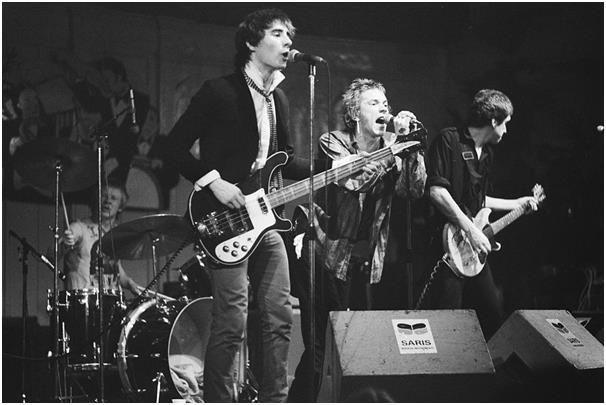
/The Sex Pistols perform in Paradiso, Amsterdam. Photograph: Koen Suyk. In: Nationaal Archief, Den Haag, Rijksfotoarchief: Fotocollectie Algemeen Nederlands Fotopersbureau (ANEFO), 1945-1989 - negatiefstroken zwart/wit, nummer toegang 2.24.01.05, bestanddeelnummer 928-9665?-?
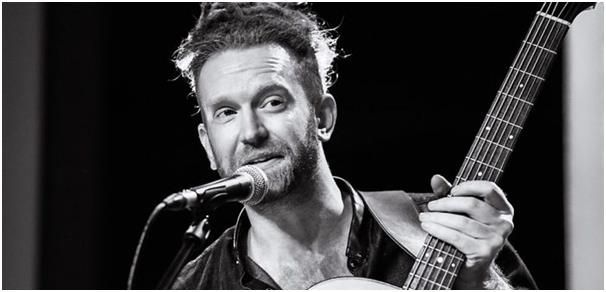
/Newton Faulkner?(Image via YouTube)
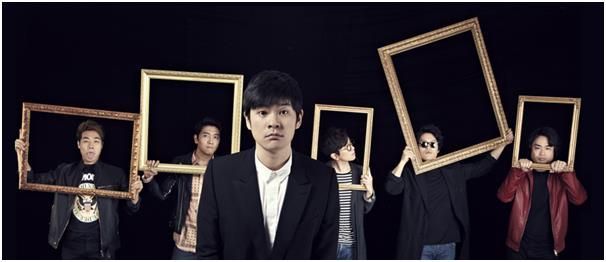
Kiha & the Faces (Image via Namuwiki)
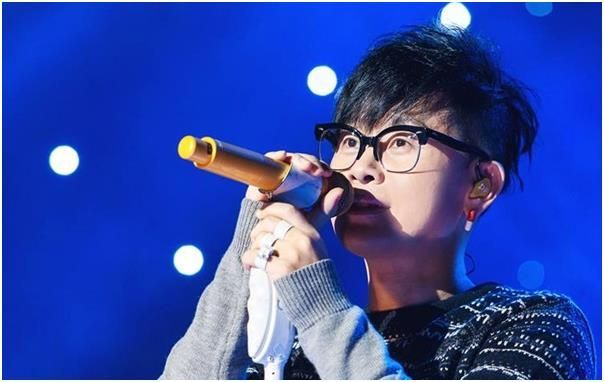
Lee Seung-hwan
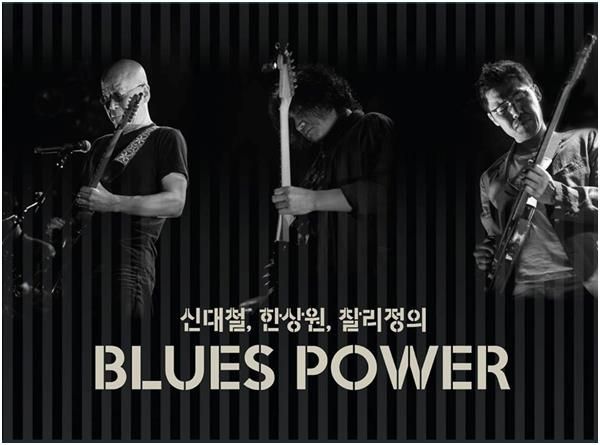
Blues Power (From Shin Daechul's Facebook)
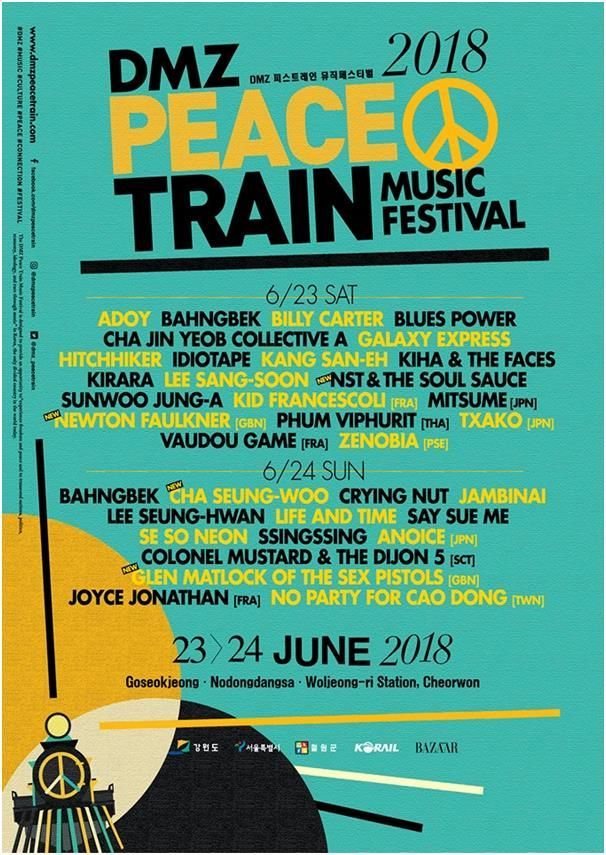
The “DMZ Peace Train Music Festival” poster.
Young H.K. Pae is an educator, freelance writer and researcher at the Asia Institute.