Framed: Wait for the 'decisive moment!'
By Tom Coyner
While it is a given that the most important thing in photography is the light, the most important element of a great photograph can be what Henri Cartier-Bresson labeled as the decisive moment.
When taking portraits, this is especially the case: the overall composition and elements may seem to be in order, but something is missing.
By “missing,” I do not necessarily mean the element, such as an object or person, is not present, but the position, gesture or even the eye glance is not quite right.
Often by employing simple and traditional compositional guidelines, such as the “rule of thirds,” one may gain some insight into what needs to appear or to move into position. Other times, the photographer has an innate sense of the critical moment, developed from studying artwork and photography of the masters, such as Cartier-Bresson, Sebastiao Salgado, Robert Frank and Steve McCurry. Over time, one can develop mental templates that can be freshly applied to whatever appears in front of the camera.
Often these mental guidelines are intentional, other times a developed library of viewed great photos has become so embedded in one's memory that you instinctively appreciate when to press the shutter. But all of that occurs after serious study of other people's photographs. The important point is determining when to trip the shutter when the combination of the “what” with the “when” forms a wonderful image.

Jeonju Hanbok. Photo by Tom Coyner, May 15, 2016
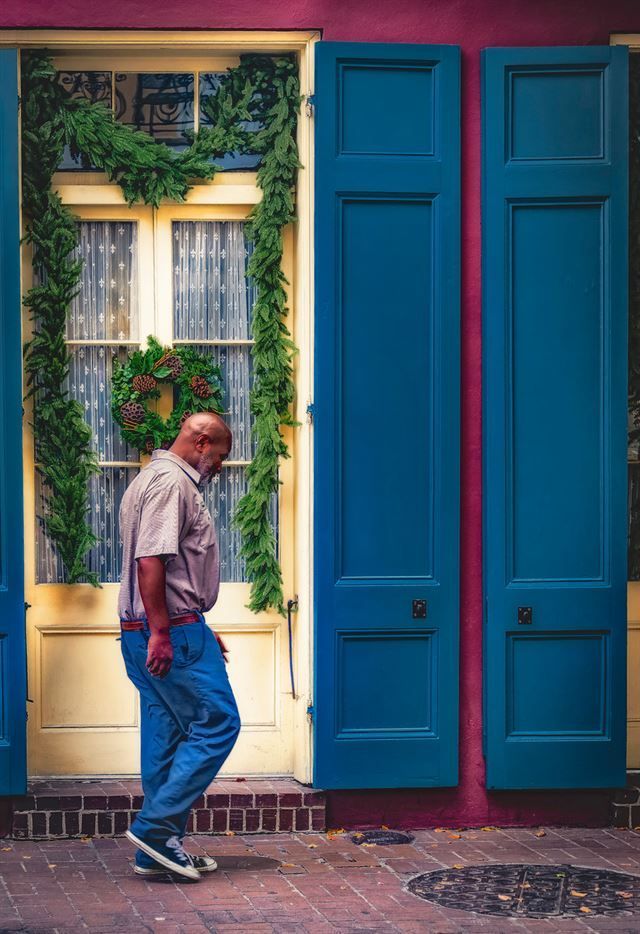
New Orleans French Quarter. Photo by Tom Coyner, Dec. 8, 2016
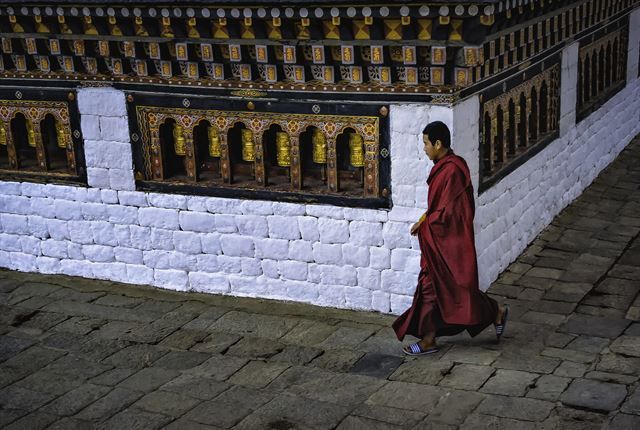
Bhutan Thimpu. Photo by Tom Coyner, Jan. 25, 2017
Please consider the difference made by placement of critical elements in these photographs. Think what would be the difference had the person or people been positioned differently than as they appear. Would the image be weaker or possibly stronger?
Many a great photographer, certainly not me included, are well known for waiting minutes, hours and even longer periods, measured in days and months, until all the critical elements come together for that decisive moment.
Go online or visit your bookstore to invest some of your time and money into looking at the photographs of the great photographers. Critically, look at how the elements of each image come together to make superior photographs. You won't regret it as your photographs are certain to improve as a result of your mental preparation.
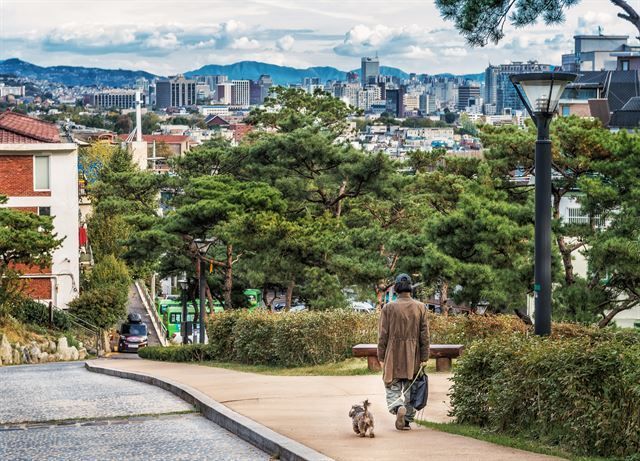
Inwangsan. Photo by Tom Coyner, Oct. 19, 2017
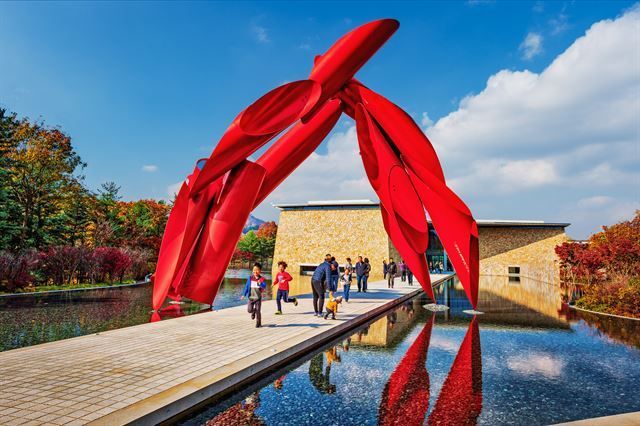
Museum SAN. Photo by Tom Coyner, Nov. 4, 2017
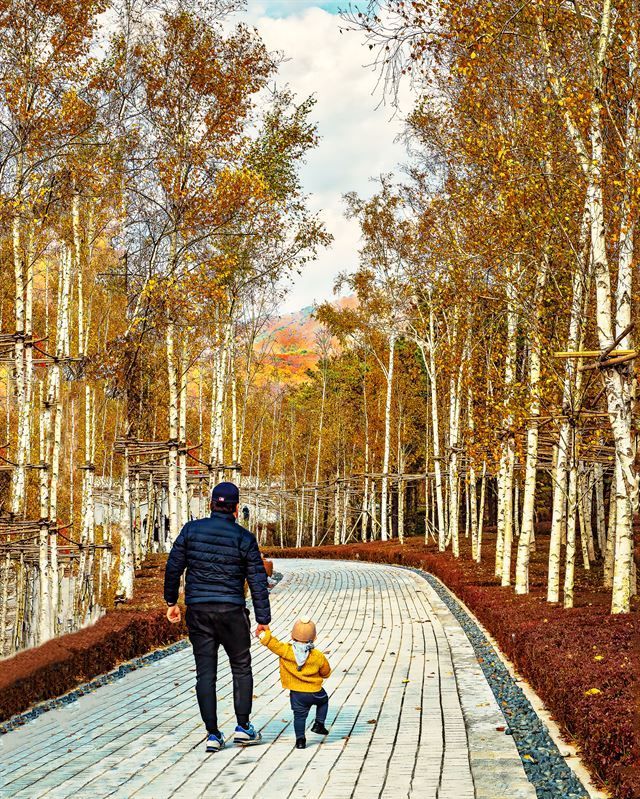
Museum SAN. Photo by Tom Coyner, Nov. 4, 2017