Motherland, enemy land
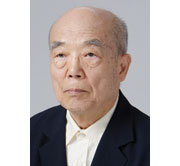
By Nam Sang-so
It was November 11, Veterans Day at Saddle River, New Jersey years ago. I was sitting in the middle of the auditorium of my grandson’s high school.
“Bombs away, we B-29 bombers discharged all our bombs over the sky of Tokyo. The incendiary bombs spread fire all over the city. It was the most exciting moment in my life,” recollected a bald headed, plump veteran of former B-29 pilot on the platform to the students and teachers filled in the auditorium.
“I was a member of the gunnery crew of the battleship Missouri and we bombarded the enemy cities from offshore and, I tell you, that was the most thrilling moment in my life,” said this time an ex-sailor. Applause erupted from the audiences. The glorious old pilot continued. “Yes, we saw Kamikaze suicide planes charging against us but we shot all of the crazy boys down.” More clapping.
“Sir, you have a question?” asked the bombardier when I raised my hand. “Yes, have you ever seen the face of the crazy suicide pilots?” “No, we shot the phantoms down before they could come close to us,” boasted the veteran. “Then look at me, I was one of the pre-candidates for a suicide squad but was too young to get on it. I was there hiding in a bunker with my family. You guys burned my house and everything,” I said in my Japanese accented English. A commotion erupted in the auditorium when a girl sat behind me screamed, “The enemy is here!” A deadly silence filled in the theater. It was Veteran’s Day in the United States of America.
“Well, nice to meet you guys again,” I said to the former enemies on the dais raising one hand in a handshaking gesture. Suddenly rows of the students and teachers stood up and clapped their hands. It was a standing ovation for the Pacific War survivors from both sides of the ocean. The school master told me it was the best Veterans’ Day school has ever had.
“Now, guys in school call me Kamikaze’s grandson, grandpa,” the sophomore boy informed me at the dinner table.
Oji Matsufuji was born in Sacramento, California of Japanese parents. The parents wanted to teach Oji Japanese cultures and sent him back to their hometown, Fukuoka. The boy exceeded in high schools and entered a university in Tokyo. He wanted to become a diplomat and bridge between his birth country of the United States and his ancestor’s country of Japan when Tokyo attacked Pearl Harbor.
He was recruited to the Imperial Naval Academy and commissioned to a Navy pilot Ensign, and assigned to one of the Kamikaze Suicide Squads. The Japanese at the time excluded dual nationals from the military requisitioning and Oji didn’t have to serve in the Japanese force.
His moments of hesitation and puzzled feelings he must have had had not been reported by media. But the Japanese-American boy decided to defend his ancestor’s country making his own birth country where his parents lived as his enemy. Piloting a suicide Zero fighter plane loaded with a single bomb, he dived into one of the American battleships four months before the Japan’s surrender. He was posthumously promoted to Lieutenant First Class and went to the Yasukuni Shrine.
“My son was an honorable boy.” Oji’s mother in California later answered to the questioning of the American media.
There are millions of the South and North Koreans whose parents and grandparents live on the opposed sides of the barbed wire. What Korean mothers or grandmothers would say if their grandsons start shooting at each other again?
The writer is a Japanese-English-Korean translator. His email address is sangsonam@gmail.com.