A better way to learn English writing
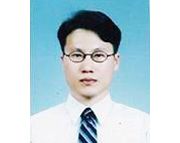
By Choi Shi-yong
I am not a professional writer. Becoming famous and making big money is not what I am after. However, I don’t deny that I have the desire to craft my thoughts in a foreign language. Although I am not a decent English writer, I dream of publishing my own English novel within five years.
While I have been a diligent student learning English since I entered university, writing English has been much more difficult for me than speaking English. As I am outgoing and sociable, I could easily enhance my ability to speak English by spending a lot of time with expat friends.
I attribute my frustration with writing English, though, to the educational system and how it treats English in Korea.
I used to fear writing English, because I never had the chance to try it.
Worse, I never met a devoted English writing teacher who took the time to teach me the pleasures of writing English.
I did not find productive English writing classes when I was in university. Therefore, I enrolled in four English writing classes with determination at a famous private academy during summer breaks. However, the classes did not fill the strong motivation in me of writing English. Translating Korean into English during the classes did not inspire me to write English. I could not find an intriguing and useful lesson from the conventional English writing classes.
Many people argue that we should keep a diary if we would like to improve our English writing. I am against it. Generally, people live repetitive lives just living every day and tend to write their stories when they experience special occasions. Hence, writing a diary every day for English writing has its limits.
Aspirant English learners should meet columnists at newspapers such as The Korea Times. They should read many articles written by experienced writers. The biggest advantage of reading many stories gives us the background so we can think about social issues. It provides us with topics of writing English and motivates us to express our ideas more and more. When you read thought-provoking articles, you feel tempted to contradict them.
The Korea Times published "True friendship” on July 9, 2010, written by an accomplished writer, Hyon O’Brien, and I read her column with interest. However, when she asked her readers how many friends they have they could call at 3 a.m. for help, I shook my head. She wanted to stress that a true friend helps when we are in trouble, no matter what time. In my opinion, the sudden visit may awaken a friend during the night and it may deprive her of sleep. But if she is a true friend, she will be there.
As I had a different idea about "true friendship,” I wrote to the author with politeness and honesty that we must respect a friend’s privacy, if we hope to keep a friendship as long as it can be.
Since I started reading The Korea Times, I have so far met many remarkable columnists. They have helped me a lot keep writing English about the particular topics. Further, they have helped me become a more energetic writer by responding to their articles thoughtfully. I will continue to write my opinions more deliberately on the issues that the columnists in The Korea Times write about.
The writer lives in Gwangju, which literally means the "City of Light." His email address is freddd@hanmail.net.