My brother's photo
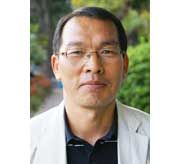
By Kim Jin-hyun
My youngest brother, 51, died last month from cancer. Just before his death, his wife asked me to obtain a photo of him for the funeral. On the way back to the hospital, I reflected on his life with a bitter mind.
As a baby boomer, he was born in 1964. His virtues were affection, diligence and force of will. He hoped to become a farmer after his military service, but reality didn't permit him to do so. Instead, he studied for two years and entered a college to get a better job.
After graduation, he diligently worked for almost nine years. He gained employment at a public corporation in 2003 at age 39 and was married in 2004.
One day, I saw him and our youngest sister quarreling over a trivial matter. He tried to persuade her to agree with him, but she didn't, so he suddenly became violent toward her.
My brother’s personality was a lot like my late father's. Whenever he needed help with farm work, he urged the other family members to follow him. If his opinion was not accepted, he always expressed anger or gave up his role. Due to this kind of behavior, the family was always uncomfortable.
My brother helped my father on the farm for three years until he joined the military, expecting to be his successor on the family farm after completing his service. He spent nine years searching for a job after college, leaving him physically and mentality damaged. As a result, he became more impulsive and unsociable.
A colleague who had been jobless for five years told me that the unemployed are afraid of spiritual devastation rather than a penniless life. When they lose their job, they feel like their identity is also broken. Therefore, being jobless for a long time led my brother to lethally stressful life.
Though he was unhealthy, after finding a job, he was given an important post at his workplace thanks to his efforts. He was a workaholic and always got to work early in the morning and left the office late at night. As a result, his future in the office looked promising.
Korean men's appearance in their 40s looks so rigid, compared to Westerners, because they are so task-oriented that they don't relax. If they are unable to achieve their purpose, they easily get outraged or melancholic, and tend to drink alcohol excessively. In the end, their hard working habits have caused many diseases and sudden death.
Johan Huizinga, a Dutch historian, wrote a book called ``Homo Ludence." In the book he said human beings are usually playful. They are spontaneous and readily do things they enjoy without economic reward. On the basis of such free spirit, he said that cultures such as literature, painting, music or ethics have been developed.
In a competitive society, I think his teaching can help stressed adults relax. Through hobbies, they meet citizens from all sorts of backgrounds and learn their cultures, leading to richer lives. Moreover, it encourages families to lead more harmonious lives, adding to familiarity.
But, my brother's obedient, persistent lifestyle pushed him into achieving his dream, recognition, while neglecting his health. His life without rest pressed him until he died.
Entering the workplace at 39, he had a fatal disease by 47 and passed away at 51, leaving behind his child, who is only 6 years old. He led a fierce struggle for survival in a neo-liberalism age.
May he rest in peace in heaven!
The writer is an English teacher at Yeosu High School in South Jeolla Province. His email address is shinykim60@daum.net.