Loafers as comfortable as sneakers: Hybrid shoes become fashion’s latest obsession

F-Mode Flow Knit Mary Jane Shoes by FitFlop / Courtesy of Samsung C&T
Hybrid shoes are becoming one of the hottest trends in fashion.
As consumers look for shoes that can seamlessly move between work, everyday life and outdoor activities while offering both style and comfort, the category is evolving from a novelty trend into a lasting fashion movement.
Hybrid shoes that combine traditional silhouettes such as loafers, sandals and dress shoes with sneaker-style soles and cushioning technologies are rapidly establishing themselves as an independent category.
The trend first gained attention in 2022 with the popularity of loafers and derby shoes, but the market expanded sharply from 2024 as sneaker brands including New Balance and Nike entered the market more aggressively.
Last year, even luxury fashion house Louis Vuitton joined the trend by unveiling the "LV Sneakerina," a hybrid of sneakers and ballet flats.
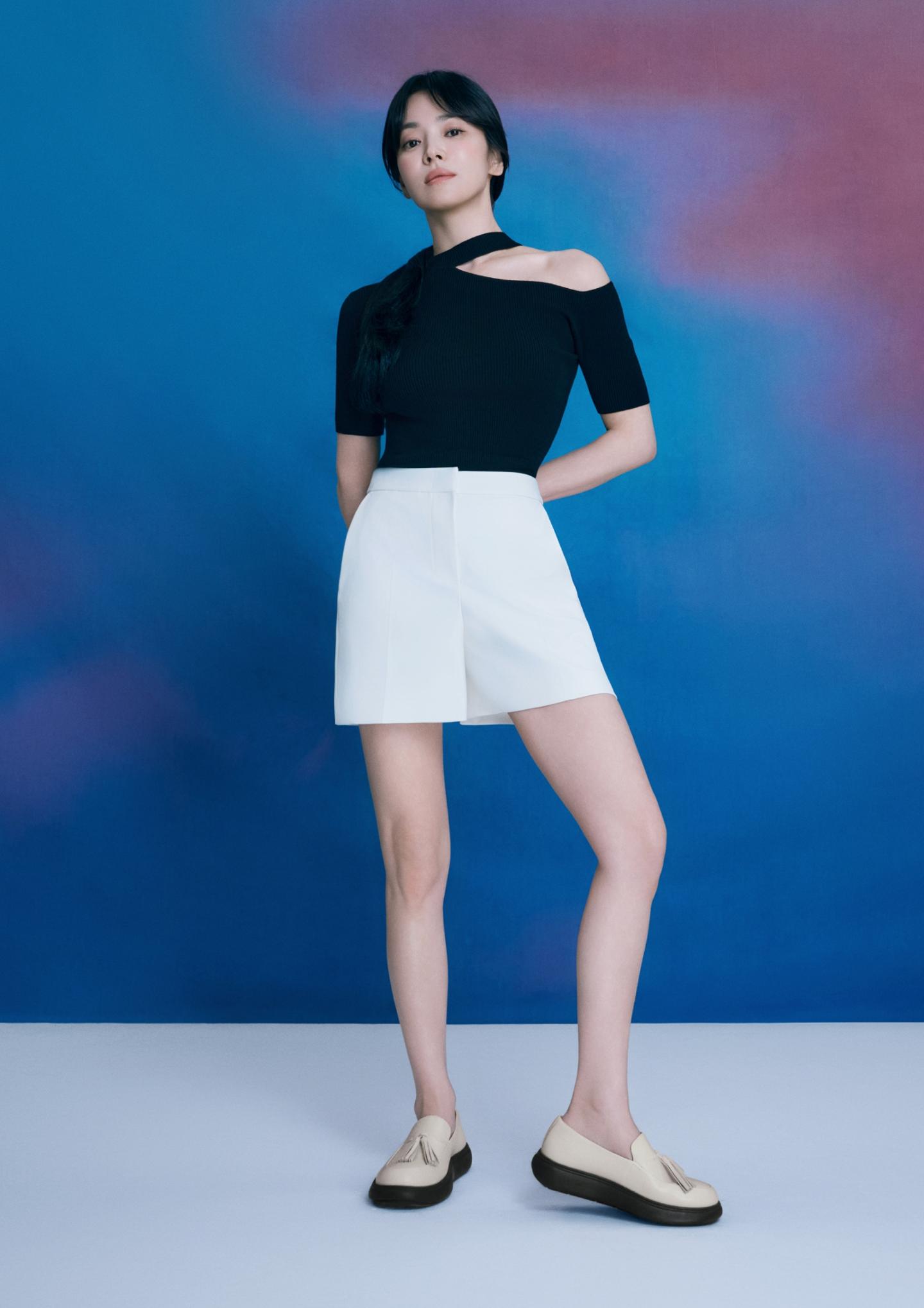
FitFlop's iQ-Comff Tassel Leather Loafer / Courtesy of Samsung C&T
The biggest appeal of hybrid shoes is their ability to combine fashionable design with everyday comfort.
One example is footwear brand FitFlop, which recently introduced products such as the iQ-Comff Tassel Leather Loafer and F-Mode Flow Knit Mary Jane Shoes.
The tassel loafer looks like a classic leather loafer from the outside, but instead of a stiff dress shoe sole, it features sneaker-style shock absorption technology for greater comfort.
The Mary Jane model similarly combines a feminine design with thick sneaker-style cushioning in the outsole to reduce foot fatigue.
An official from Samsung C&T said growing consumer demand for comfort is accelerating the casualization of footwear.
“Hybrid shoes that create synergy by combining different elements such as functionality and style have rapidly emerged over the past one to two years,” the official said.
Samsung C&T’s fashion division has overseen exclusive distribution of FitFlop products in Korea since last year.
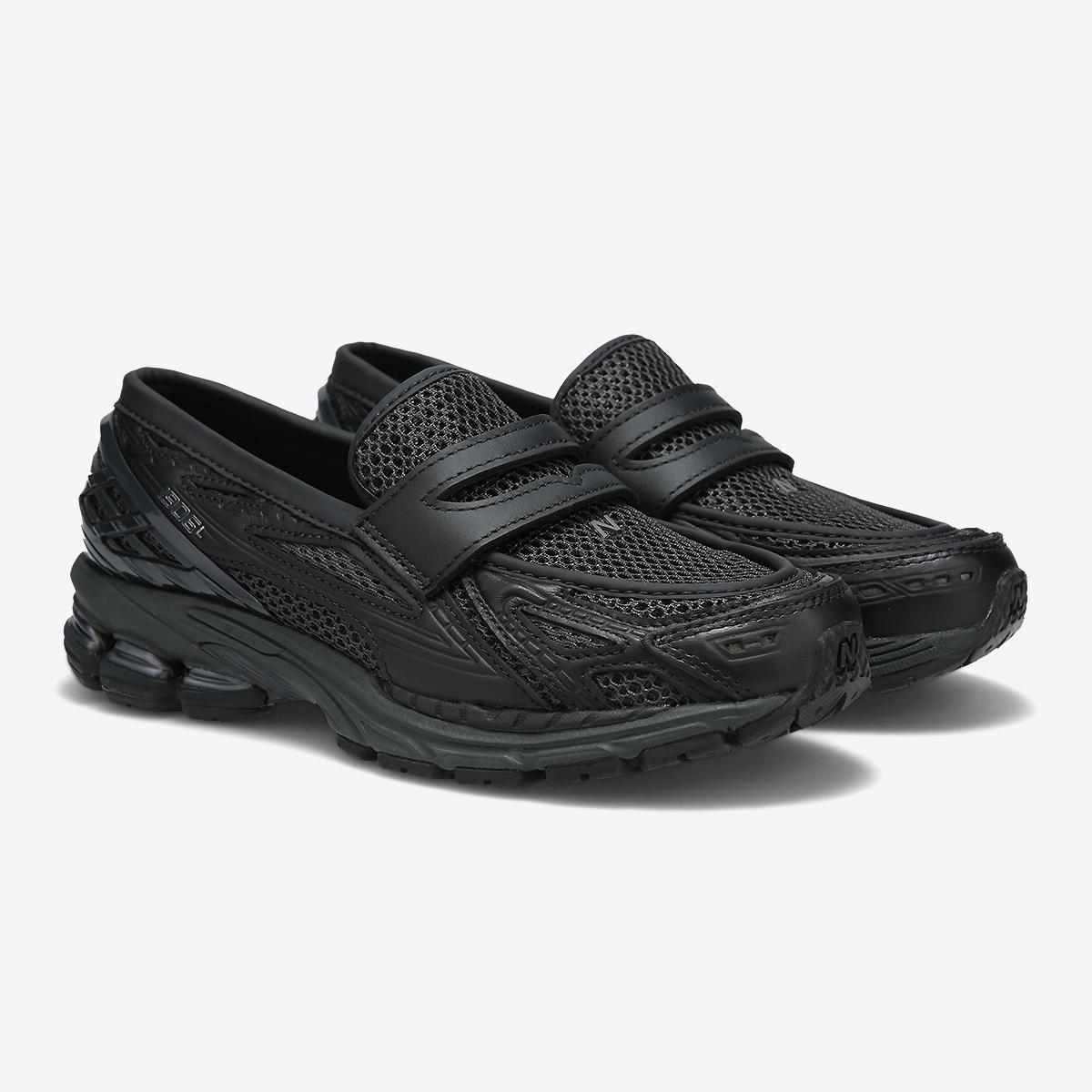
New Balance’s 1906 Loafer / Courtesy of E-Land New Balance
Sportswear companies, traditionally strong in sneakers, are also helping drive the hybrid shoe boom.
New Balance drew attention in 2024 with the 1906 Loafer, which combines a penny loafer design with breathable mesh materials and maintains the comfortable midsoles and outsoles typically found in sneakers.
The brand’s children’s footwear line also gained popularity with hybrid sandal-sneakers marketed as suitable for both school and outdoor activities. Some stores reportedly experienced long lines and sellouts as parents rushed to buy them.
Nike also gained attention last October by introducing the “Air Max Phenomena,” which combines a loafer-style upper with the outsole of its popular Nike Air Max series.
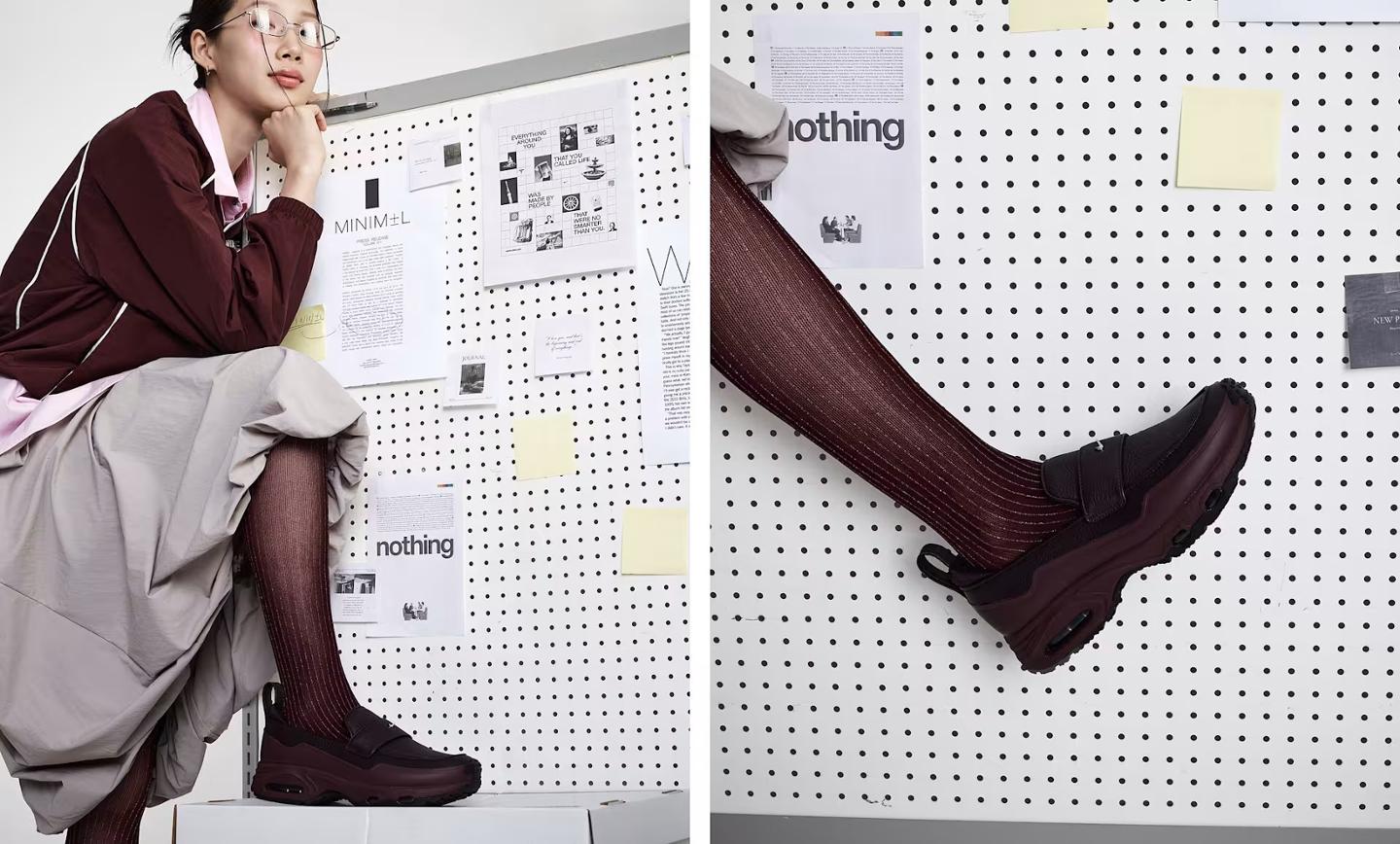
Nike’s Air Max Phenomena / Courtesy of Nike
The growing popularity of hybrid shoes is also reflected in online shopping and search data.
According to fashion platform Musinsa, searches for hybrid shoes increased 17-fold in the first quarter of last year compared to the same period a year earlier. Searches rose another 391 percent in the first quarter of this year.
Searches for “sneaker loafers” also increased 118 percent last year and 157 percent this year.
On shopping platform Ably, searches for “stiletto sneakers,” pairing pointed high-heel-inspired toe designs, rose more than fourfold in March compared to a year earlier.
Searches for “ballet sneakers” nearly tripled, rising 198 percent, while sales of ballet sneakers surged 1,298 percent year-on-year.
A Musinsa official said hybrid shoes are gaining popularity partly because they are generally more affordable than traditional dress shoes and align with the broader fashion trend of blurring the boundaries between formal and casual wear.
“Even if specific designs evolve over time, lifestyles that pursue both comfort and formality at the same time are becoming firmly established, making it highly likely that hybrid shoes will settle in as steady sellers,” the official said.
This article from the Hankook Ilbo, the sister publication of The Korea Times, is translated by a generative AI system and edited by The Korea Times.