From swimsuit styling to midday runs, sportswear is reshaping the fashion market in Korea
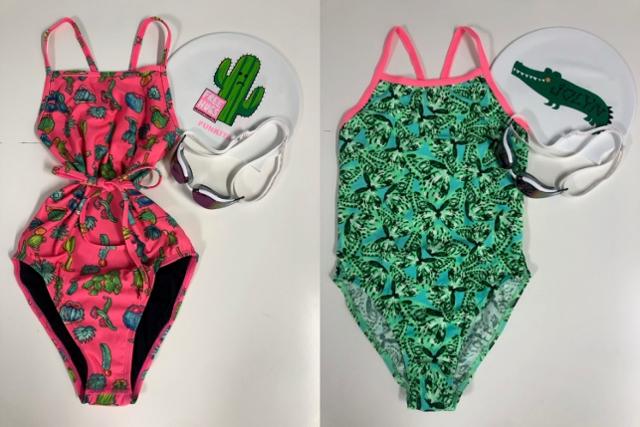
Namgoong Bo-young’s daily “swim coordination” pairs swimsuits with matching caps and goggles for color and pattern harmony, adding another layer of enjoyment. Courtesy of Namgoong Bo-young
“Gabriel, Gavin, Julian, Brandon, Jackson, Perry, Nico, Drew …” These are not people’s names, but swimsuit styles. In the world of competitive swimwear dominated by brands like Funkita, Nike and Jolyn, the way the back of a swimsuit is designed can be enough to create a whole new identity. Whether the straps are fixed or tied and how much fabric covers the hips all help determine the style.
Swim styling, or “swim coordination,” is now a trend that involves matching swimsuits with swim caps and goggles for both color and pattern harmony. Namgoong Bo-young, 37, who began swimming as a hobby three years ago, owns more than 60 swimsuits and has worn around 200 in total. Her collection also includes 30 swim caps and 10 pairs of goggles.
“I started with just one set, but after seeing so many beautiful designs online, I got hooked,” she said. “I match swimsuits, caps and goggles for a coordinated look, and in December I wear red, green and sparkly sets for Christmas. Dressing up for the pool made swimming more fun, and I started going every day instead of twice a week.” Her passion grew into competing in local swim meets, and she eventually earned lifeguard and survival swimming instructor certifications.
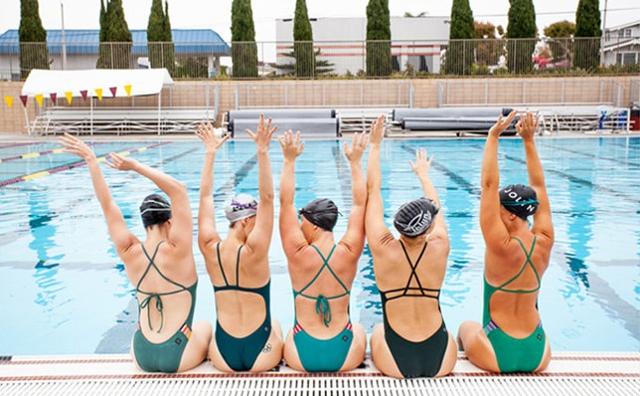
Various back styles from U.S. swimwear brand Jolyn feature subtle design differences. Captured from the Jolyn Korea website
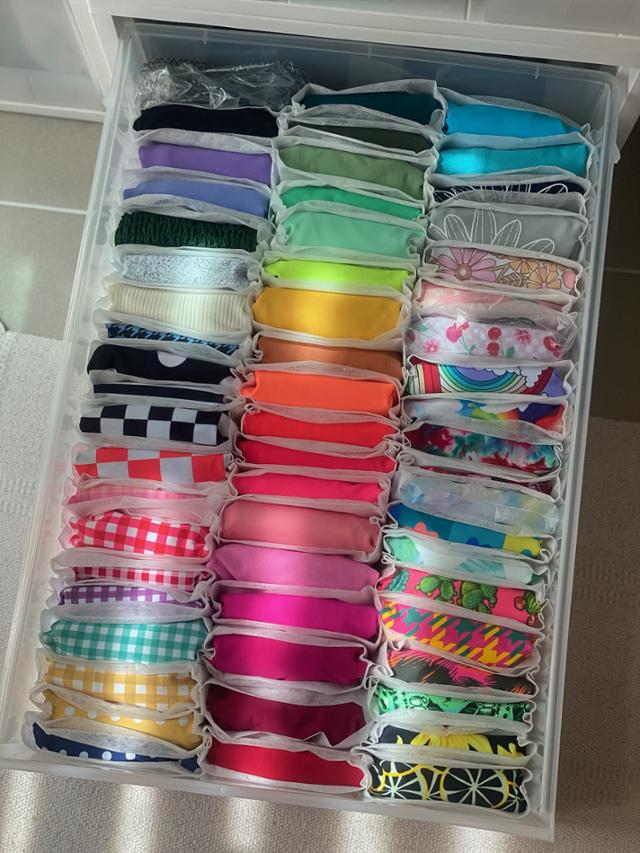
Namgoong Bo-young’s neatly organized swimsuits fill a drawer in a rainbow of colors.
Courtesy of Namgoong Bo-young
When dressing well improves performance
Gone are the days when gym clothes meant stretched-out T-shirts and baggy shorts. Even the era of purely functional sportswear has passed. Among people in their 20s and 30s, the “healthy pleasure” trend of enjoying fitness and wellness has made stylish activewear essential.
Posting photos on social media has also raised the bar for workout fashion. Ballet attire, with its aesthetic appeal, is especially popular. Park Gyo-won, a 22-year-old university student who practices ballet with her sister, wears leotards, skirts, ballet shoes, warm-up pants and leg warmers. “Ballet outfits are easy to layer, so it’s simple to match designs and colors,” she said. “I take a photo after every class to record my body’s changes and the different outfits I wear.”
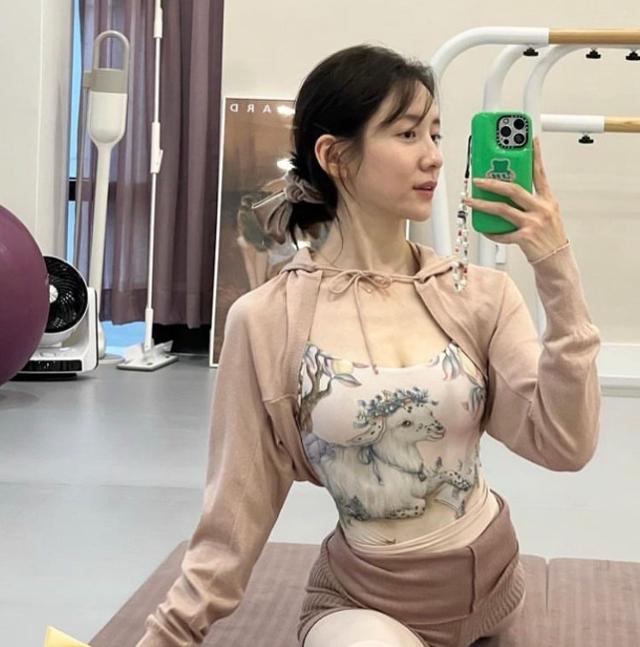
Actor Park Ji-hyun’s ballet outfit / Captured from Park’s social media
In the U.S., teenagers and young women have embraced the “pink Pilates princess” trend, wearing pink workout gear to Pilates sessions and posting the images online. Vogue Business reported last December that the movement reflects the rise of premium athleisure and health-conscious female consumers — a market brands are eager to capture.
Blurring the line between workout wear and everyday fashion
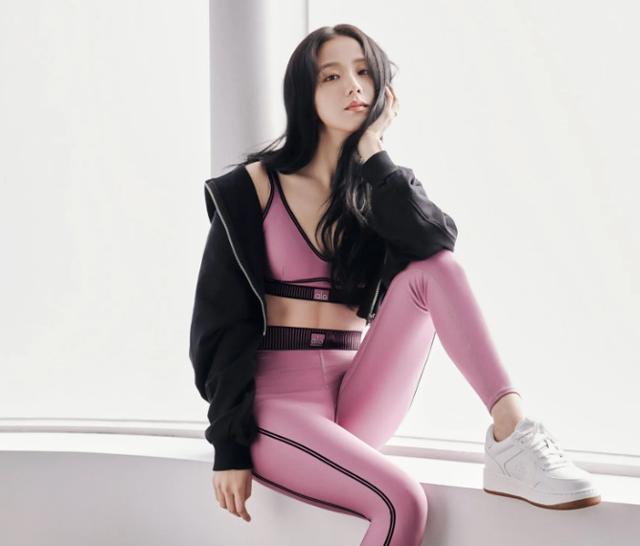
Yoga wear by Alo Yoga / Courtesy of Alo
The athleisure market, covering clothing for yoga, Pilates and other activities, continues to grow. Fashion platform W Concept reported a 57 percent year-on-year increase in athleisure sales from May to July. U.S. premium brand Alo Yoga, dubbed the “Chanel of yoga wear,” opened its first Asian store in Seoul’s Gangnam District last month, selling leggings for 170,000 to 200,000 won ($125-$147) and sports bras or tank tops for over 100,000 won.
With the boundary between casual clothes and activewear fading, more consumers are buying sportswear they can also wear in daily life. “Like abroad, there’s little distinction between everyday clothes and workout gear in Korea now,” said Kim Seo-hee, 30, while shopping at Alo’s Gangnam store. University student Kim Soo-hyun, 24, added, “Even Korean athleisure brands sell dresses and slacks now. The fabric is softer and more comfortable than regular clothes.”
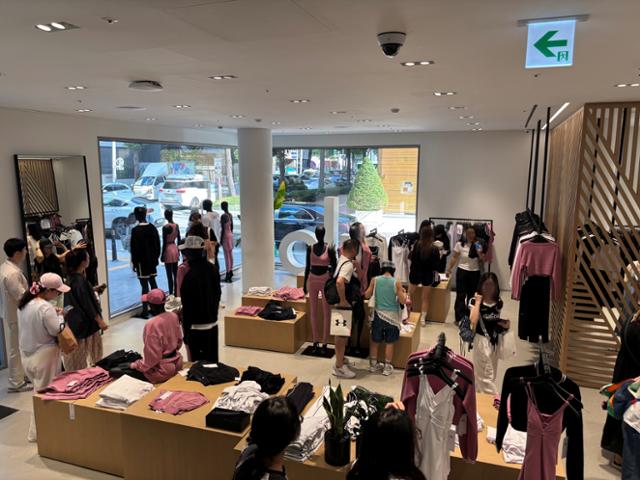
Visitors crowd the Alo store in Seoul’s Gangnam District on Aug. 7. Hankook Ilbo
Kim Ji-hern, a brand psychology professor at Sejong University, noted that Alo’s slogan, “Studio to Street,” reflects this shift. “Just as people wear running shoes from brands like Hoka or On in everyday life, sportswear is becoming more colorful and varied in design as the line between athletic and street fashion blurs,” he said.
Midday runs as the ultimate luxury
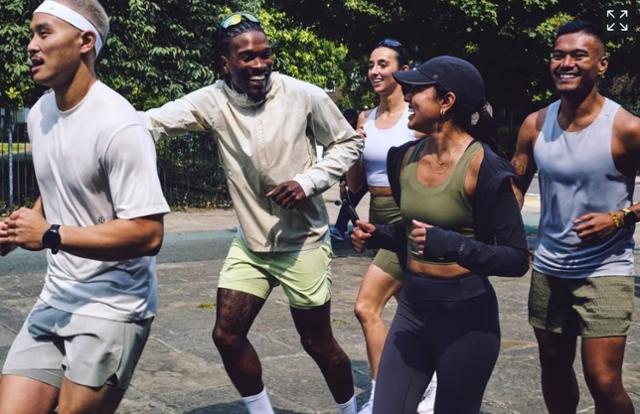
Promotional image of Lululemon / Courtesy of Lululemon
Sportswear fashion is also becoming more detailed, offering leggings in multiple lengths and running shoes tailored to different arch heights. “Instead of competitive sports like soccer or baseball, activities like swimming, yoga and diving that focus on personal growth are trending,” said Park Hyun-young of Vive Company’s Lifestyle Trend Research Lab. “This aligns with the rise of running culture and marathon participation, pushing sportswear to become more specialized.”
As lifestyles shift, activewear trends are expected to keep evolving. Choi Ji-hye of Seoul National University’s Consumer Trend Center noted, “It’s now common to see people running outdoors year-round, even in summer or winter. For today’s 20-somethings, being considered cool means living a disciplined, health-conscious lifestyle — not heavy drinking and late-night partying.”
Park added, “The ultimate luxury for the younger generation isn’t stepping out of a luxury car in an expensive suit. It’s someone jogging through the streets in the middle of the day, dressed head-to-toe in premium running gear, embodying a healthy and relaxed lifestyle.”
This article from the Hankook Ilbo, the sister publication of The Korea Times, is translated by a generative AI system and edited by The Korea Times.