Ghibli-style AI photo trend takes off among celebrities, but artists raise concerns
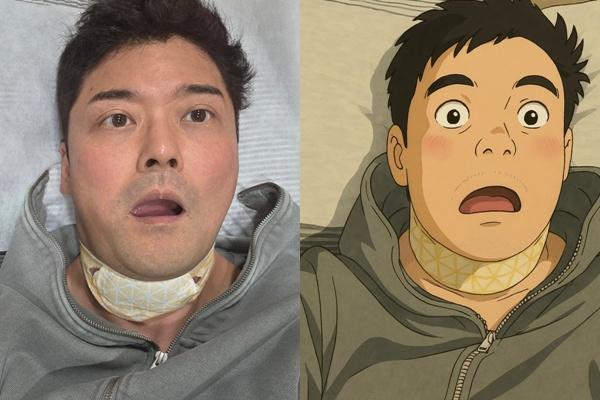
Jun Hyun-moo shared a Ghibli-style illustration of himself lying in bed. Captured from Jun’s social media
A rising trend of creating Ghibli-style profile pictures using ChatGPT is sweeping social media, and even celebrities are transforming their photos into images reminiscent of Studio Ghibli’s signature animation style.
However, not everyone is on board with the craze. Some artists have voiced concerns, criticizing the fad for diminishing the value of hand-drawn art and blurring ethical and copyright boundaries.
TV personality Jun Hyun-moo, known for keeping up with trends, recently posted a Ghibli-style version of himself resting in bed, citing a bout of laryngitis.
Comedian Jo Hye-ryun jokingly introduced her husband with a Ghibli-style image, commenting, “This is my husband. Ghibli is OK to reveal. This is fun.”
Former member of the girl group Secret Song Ji-eun joined in as well, sharing a Ghibli-style version of her wedding photo with her husband, YouTuber Park We.
The process is simple: users upload a photo to the ChatGPT app and request that it be transformed into a Ghibli-style illustration. The accessibility and charm of getting a personal portrait in the style of a beloved animation studio has fueled the trend among both celebrities and the general public.
Cultural critic Jung Duk-hyun explained that celebrities often feel compelled to respond quickly to social trends.
“They join in on challenges or viral content to show their connection with fans,” he said. “In that shared space of interest, they can generate strong engagement.”
Social media’s instant sharing capabilities only heighten the speed with which stars jump on viral phenomena.
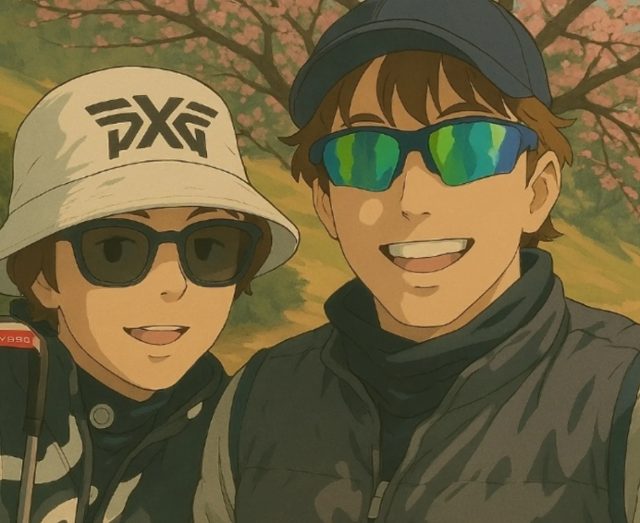
Comedian Jo Hye-ryun uploaded a Ghibli-style image of her husband and herself on social media. Captured from Jo's social media
But despite its popularity, the trend has drawn criticism from the creative community.
“One Piece” anime director Megumi Ishitani voiced frustration on social media, calling such trends “an act that devalues Ghibli’s brand” and expressing hope for legal action.
“It’s unbearable to see Ghibli treated like something cheap,” she said.
Artist Lee Bin, known for the comic “Hello Jadoo,” echoed the sentiment. On her social media, she shared that she saw a friend happily showing off a Ghibli-style family portrait.
“My friend did nothing wrong,” she said. “But I suddenly felt drained. I didn’t want to say anything.”
Studio Ghibli has yet to issue an official statement. However, founder Hayao Miyazaki has previously expressed deep discomfort with AI-generated works. In a 2016 documentary, he referred to AI-made animations as “an insult to life.”
Questions regarding copyrights also remain unresolved. Kim Deok-jin, head of the IT Communication Research Center, said on CBS Radio’ show “Kim Hyun-jung’s News Show," “If you ask an AI to draw Pikachu, it won’t. But if you say ‘in Pikachu’s style,’ it will.” He added, “Stylistic imitation is a gray area in copyright law. It’s a legal balancing act, and disputes are likely to continue.”
While the Ghibli-style trend may appear harmless, critics say it undermines the spirit of original art and could cross ethical and legal lines. The fact that high-profile celebrities are fueling its momentum has added to the concern — drawing attention not only to the power of trends but also to the responsibility of those who popularize them.
This article from the Hankook Ilbo, the sister publication of The Korea Times, is translated by a generative AI system and edited by The Korea Times.