Espresso coffee bars surge in number in Seoul as tastes evolve

Espresso and rice cake served at Draw Espresso Bar in Seoul's Jung District / Courtesy of Draw Espresso Bar
Fast pace of life and preference for affordable products spur diversity in coffee scene
By Lee Hae-rin
Koreans drink around 353 cups of coffee every year, according to Hyundai Research Institute's latest report. The figure is a sharp rise from 291 cups in 2015 and 2.7 times more than the world's yearly average of 132 cups.
People in the caffeine-loving nation have primarily consumed instant coffee packaged in stick-type pouches ― more commonly known as “mix coffee” here ― or in the form of iced or hot Americano.
However, that trend is changing quickly, as seen in a surge in the number of espresso bars offering a wide range of small yet strong shots measuring 20 to 30 millimeters a cup.
At least 100 espresso bars opened in the country last year, according to industry data. Social media also reflects such a phenomenon with over 142,000 Instagram posts as of Wednesday showing pictures of small empty cups piled on top of each other with the hashtag “Espresso Bar” in Korean.
Major food and beverage companies have also started capitalizing on the trend.
Paik's Coffee, a low-priced coffee chain run by celebrity chef Paik Jong-won, launched an espresso menu in March and Pascucci, the coffee franchise of the country's leading food corporation, SPC Group, also opened an espresso bar near the company's headquarters in Seoul. GS Retail's convenience store brand GS25 started offering espresso for 1,000 won ($0.75) in small cups last year.
The trend began just a few years ago, according to culture critic and former culture reporter Lim Hee-yun.
“Just a few years ago, Koreans didn't consume that much espresso. We even joked about how backpackers accidentally ordered shots at a bar in Europe and couldn't stand its unfamiliar, bitter taste,” Lim said.
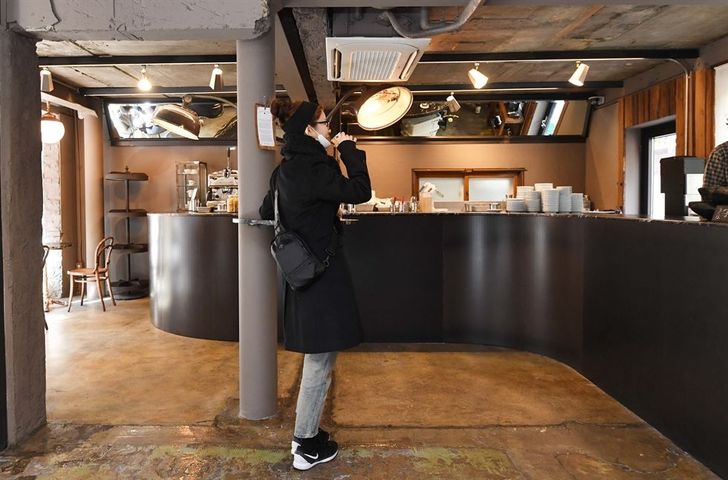
In this Feb. 24, 2021 photo, a visitor drinks a cup of espresso at Leesar Espresso Bar in Seoul, one of the country's first espresso bars established in 2012. Korea Times file
Lim explained that Leesar is one of the first espresso bars to open in Seoul, boosting interest in the lesser-known coffee culture in 2012. The affordable price of 1,500 won per shot and a relatively sweeter taste from a mix of sugar encouraged people to drink multiple cups of espresso, starting the trend of sharing pictures of multiple cups stacked up at espresso bars.
Koreans, famous for preferring things done quickly and their penchant for cost-effective products plus an unquenchable curiosity about foreign cultures, were naturally drawn to espresso culture in recent years, according to Lim and many baristas running espresso bars in the city.
“People are growing more accustomed to short-form content and I think that grew to affect food culture,” Lim said, “At espresso bars, visitors can quickly try many different flavors at relatively lower prices, which can be very attractive to trend-sensitive Koreans.”
Kim Myung-jin, a barista with 14 years of experience who opened Draw Espresso Bar between Chungjeongno and Seoul stations, echoed Lim's view.
“Although Koreans weren't very familiar with the concept of espresso at the time (in September 2021), we thought it would go well with the bustling lifestyles of Koreans,” Kim said, adding that the trend-sensitive city with a burgeoning specialty coffee shop scene seemed to quickly embrace the new trend.
Seoul's espresso bars are special because of the diversity of their menus and locations, they said.
To encourage those less familiar with espresso, Kim and his colleague created a variation of espresso. Their signature menu, “Caffee Lieto,” which means happiness in Italian, features a scoop of ice cream and olive oil, which creates a fresh and tangy flavor with a medium roast coffee.
In search of a Korean-style espresso culture, the bar started pairing shots with rice cakes made by a mill in the neighborhood to add a local twist, he explained.
Sorry Espresso Bar near Gyeongbok Palace in central Seoul offers authentic Portuguese espresso with egg tart and became a must-visit spot for those who lived in or traveled to the European country. Molto Espresso Bar, right in front of Myeongdong Cathedral, offers a beautiful view of Seoul's prominent and historical landmark and Italian-style espresso.
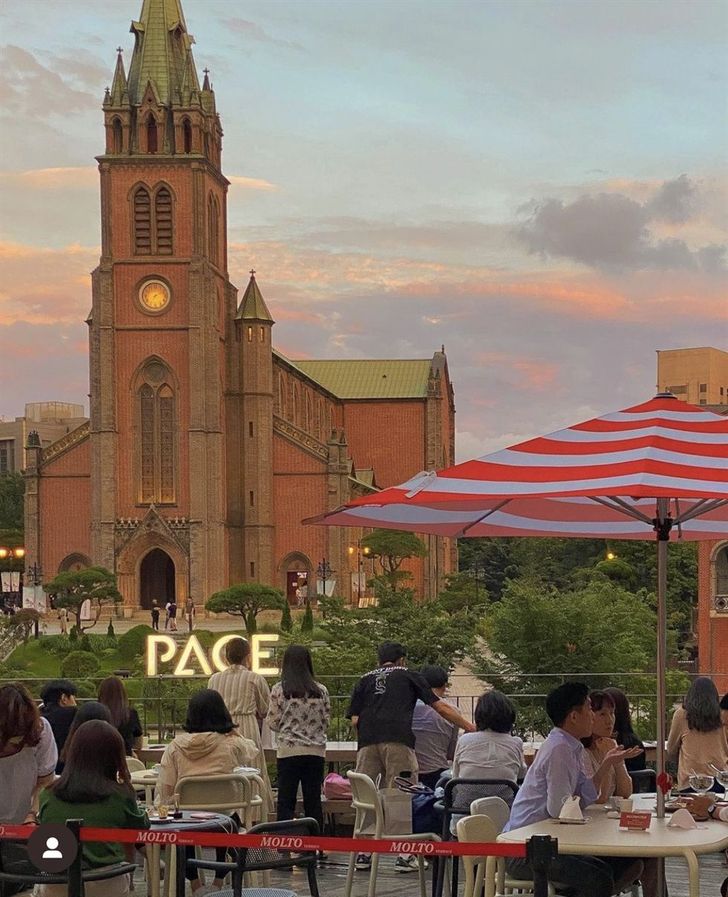
Visitors drink espresso in an outdoor terrace at Molto Espresso Bar in front of Myeongdong Cathedral in Seoul in this undated photo. Courtesy of Molto Espresso Bar
Experts say the popularity of espresso is growing and believe the trend don't die down any time soon.
“Few years ago, many visitors insisted on having Americano and were hesitant about trying espresso, but that rarely happens now. We feel that the consumer spectrum is growing broader,” Sorry Espresso Bar's co-owner Simon said, explaining that the culture, initially led by young trendsetters, now become a lifestyle for many people, as a growing number of office workers in the district routinely come for a quick sip on their way to work in the morning, just like people do in Europe.
“Espresso may never replace people's much-beloved Americano. However, if someone drinks a cup of coffee every day, that person could now consider having a couple of cups of espresso a week,” Lee said.
“Considering the hip and trendy ambiance of espresso bars and price competitiveness they offer with a diverse menu, Koreans' love for espresso will likely last for a while,” Lim said.
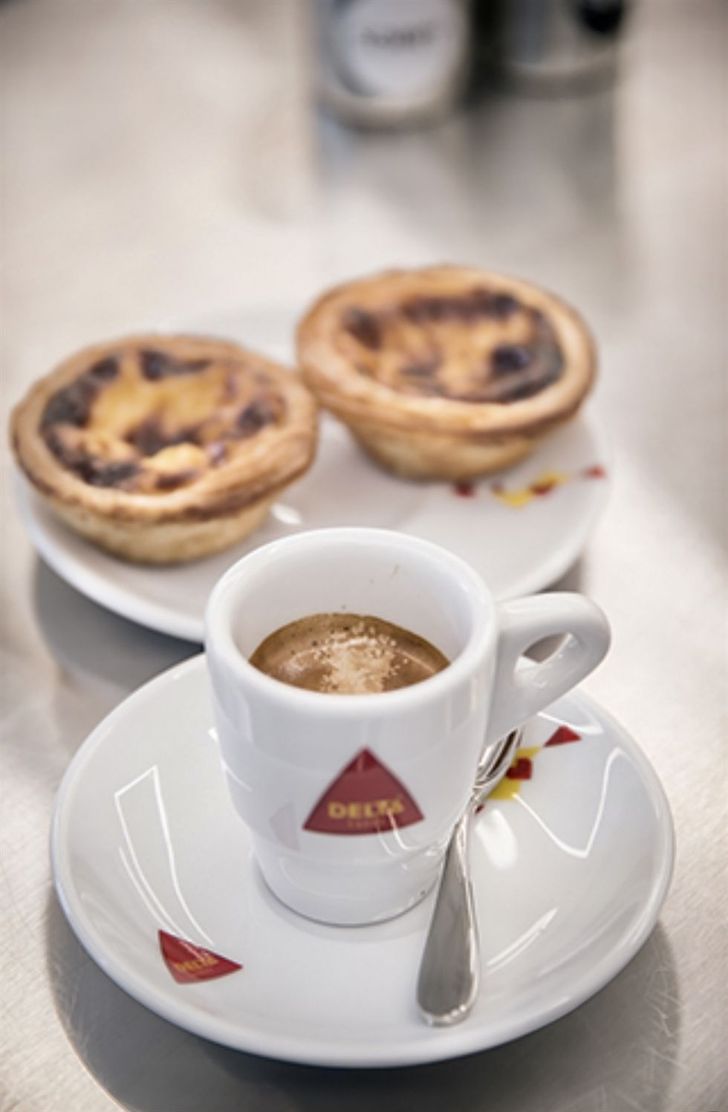
Portuguese-styled espresso and egg tart served at Seoul's Sorry Espresso Bar / Courtesy of Sorry Espresso Bar