INTERVIEW Saudi Arabia seeks to become cultural leader via partnership with Korea

Saudi Arabia Culture Minister Prince Badr bin Abdullah bin Mohammed bin Farhan Al Saud / Courtesy of Saudi Arabia Ministry of Culture
Saudi Arabia culture minister meets Korea's government, top entertainment company officials
By Dong Sun-hwa
In October 2019, K-pop behemoth BTS grabbed international headlines for becoming the first non-Arab artist to play a concert at a stadium in Saudi Arabia, the birthplace of Islam, where foreign singers could rarely take to the stage in the past. The sold-out show at King Fahd International Stadium in Riyadh took place only about three months after K-pop act Super Junior became the first Asian artist to stage a solo concert in the kingdom.
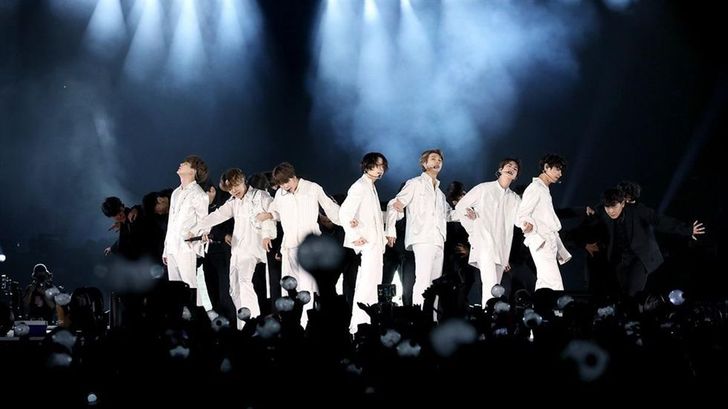
K-pop boy band BTS performs during its 2019 concert at King Fahd International Stadium in Saudi Arabia. Courtesy of Big Hit Music
Once known for its strict conservatism, Saudi Arabia is seeking to open a new door for cultural interaction and transform itself into a cultural hub in the Middle East and beyond. In a bid to do so, the country has picked Korea as its major partner.
“Korea has distinguished itself in several fields of culture, including music, film, heritage and culinary arts,” Saudi Minister of Culture Prince Badr bin Abdullah bin Mohammed bin Farhan Al Saud said in a recent email interview with The Korea Times, shortly after visiting Seoul to strengthen the bilateral ties between Saudi Arabia and Korea.
“Based on Korea's unique cultural charm, our strong relationship and successful track record of generating tangible results from (previous) cooperation, we are looking forward to collaborating and strengthening ties with Korea in a variety of cultural fields … Our aspiration is for Saudi Arabia to become a global cultural leader by creating strong and lasting relationships with countries that will embrace and appreciate our unique identity, rich heritage and cultural ambitions.”
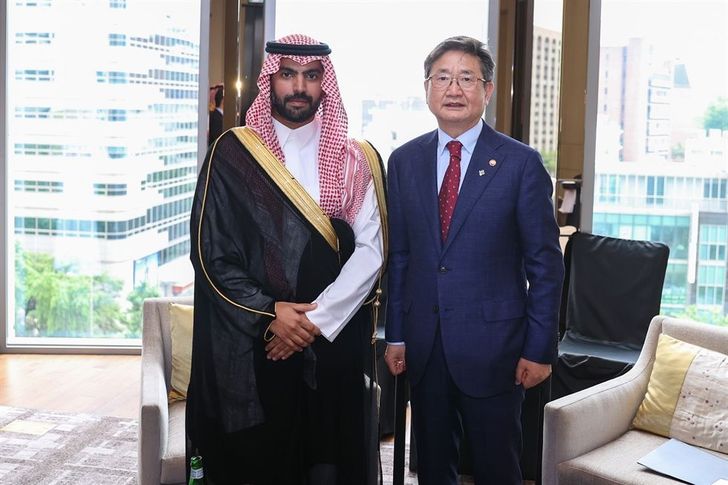
Saudi Arabia Culture Minister Prince Badr bin Abdullah bin Mohammed bin Farhan Al Saud poses with Korea's Minister of Culture, Sports and Tourism Park Bo-gyoon at a hotel in Seoul, June 8. / Courtesy of Ministry of Culture, Sports and Tourism
During his visit, Korea and Saudi Arabia inked memorandum of understandings (MOUs) to join forces in the areas of film and TV series co-production, technology exchange and infrastructure development, among others.
The minister said officials from the country's 11 commissions under the ministry, including the Music Commission and the Theater and Performing Arts Commission, visited Korea together with him to explore many different possibilities for collaboration. They also met with officials from Korean entertainment behemoth CJ ENM, K-pop powerhouse SM Entertainment ― home to A-list stars like NCT and aespa ― as well as those from the government sector, including the Ministry of Culture, Sports and Tourism and the Korea Cultural Heritage Foundation.
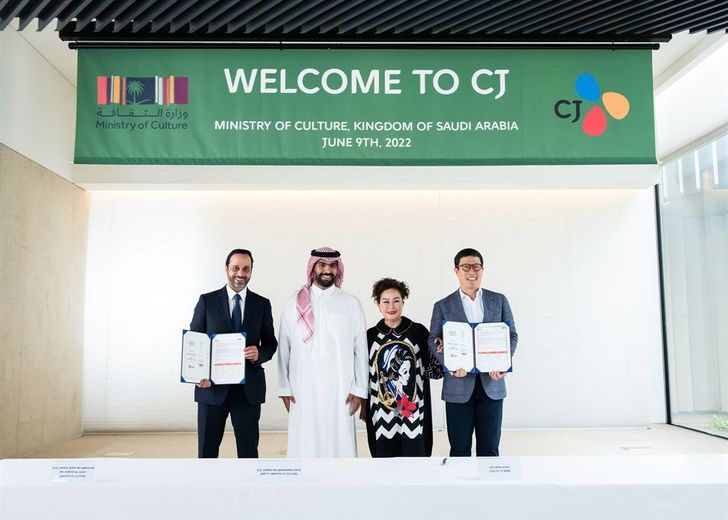
From left are Saudi Vice Minister of Culture Hamed bin Mohammed Fayez, Saudi Minister of Culture Prince Badr bin Abdullah bin Mohammed bin Farhan Al Saud, CJ Group Vice Chairwoman Lee Mie-kyung and CJ ENM CEO Kang Ho-sung, in Seoul, June 9. Courtesy of CJ ENM
“(We) signed a 10-year collaboration framework agreement with CJ ENM to expand cooperation in the film, music and cultural events sectors. We anticipate that this MOU will be a major step in cooperating on various cultural projects in the coming months and years, such as cinematic and musical activities, as well as cultural centers showcasing both Saudi and Korean culture through music, art, culinary arts, theatrical arts, heritage, film and architecture,” the minister said.
“The meeting with SM was organized to discuss areas of collaboration in the cultural field including music, education and training, organizing music events and festivals, and promoting joint production.”
According to SM, its founder and executive producer Lee Soo-man told the minister that he wanted to produce music for Saudi pop (S-pop) and play a role in establishing a cultural ecosystem for young Saudi Arabians. He also suggested building a metaverse city where people can interact via digital avatars.
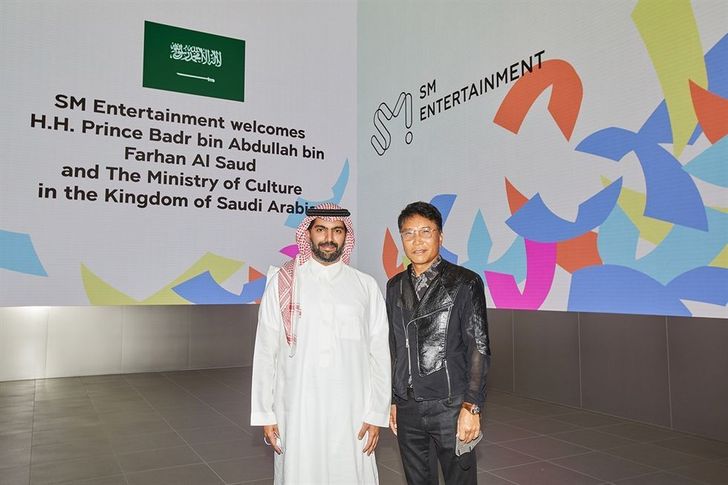
Saudi Culture Minister Prince Badr bin Abdullah bin Mohammed bin Farhan Al Saud, left, poses with SM Entertainment founder Lee Soo-man. / Courtesy of SM Entertainment
Through a partnership with Korea, Saudi Arabia is also eager to support and empower its creators and provide qualitative cultural options for the Saudi public, so that the kingdom can attain the goals of Saudi Vision 2030.
Announced by Crown Prince Mohammed bin Salman in 2016, Saudi Vision 2030 is an economic and social reform plan made to reduce the country's dependence on crude oil through economic diversification.
“Saudi Vision 2030 established a new start for the Saudi culture as one of the most important drivers of national transformation,” the minister explained. “Culture is one of the main pillars of Saudi Vision 2030, and its goal is to contribute to building a vibrant society, a thriving economy and an ambitious nation.”
The ministry's goal is for the culture sector to contribute more than $23 billion to its economy by 2030, creating more than 100,000 jobs. One of its most ambitious projects is the development of a capital of entertainment, sports and arts called Qiddiya in the capital city of Riyadh.
According to the ministry, at Qiddiya, in terms of arts and culture, there will be a performing arts center that will offer a variety of activities including performing arts and educational programs, vocational training and resident artist programs. There also will be an arts complex and a special zone dedicated to different festivals.
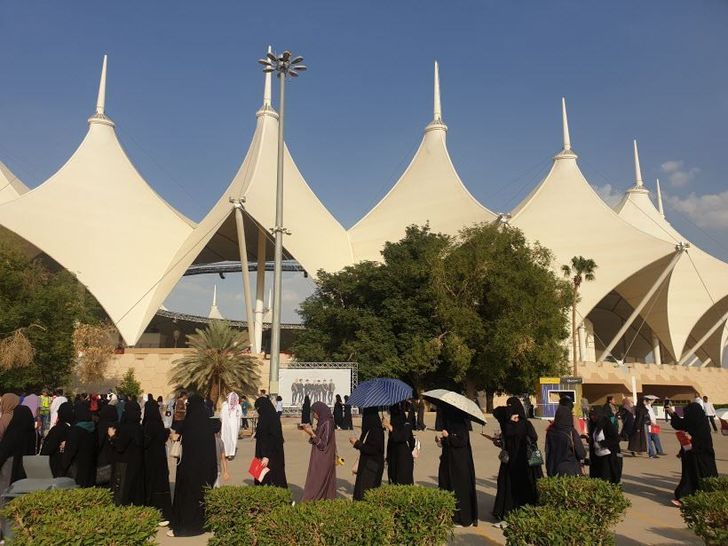
Fans of K-pop juggernaut BTS line up to buy BTS merchandise at King Fahd International Stadium in Riyadh, Saudi Arabia, shortly before the group's concert in this Oct. 10, 2019 photo. Yonhap
The minister hopes that more people across the globe get the chance to explore his country's rich and diverse cultural heritage, as it opens its doors to encourage cultural exchange.
“Our national identity is rooted in cultural aspects such as what we eat, what we wear, and our centuries-old heritage and traditions,” he said. “Poets, architects, dancers and actors can be found all over the country. Several Saudi Arabian locations have been designated as UNESCO World Heritage sites. Across the country, new and innovative modern structures have sprung up. Young architects are encouraged to contribute to the evolution of the cities. The visual arts, music, and theater have all played important roles in our history and will continue to do so in the future … By opening the kingdom's doors to others, we will showcase Saudi Arabia's rich culture, heritage and tradition to the world and encourage cultural exchange.”