Is quality consultation from doctors possible in Korea?
Korea needs more qualified primary healthcare services
By Shin Hyun-young
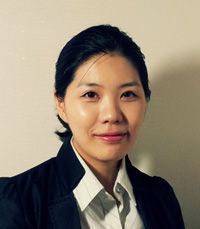
Shin Hyun-young
Am I healthy? Are there any bad cells growing in my body? Do I have any undiagnosed diseases?
When we hear about a friend suffering from a disease, we naturally wonder about our own health conditions.
Under such circumstances, we read health-related books, search for health information on the internet, eat healthy food and take vitamins.
“Why is my cholesterol rising while I hardly eat meat?” “I am getting fat even though I don’t eat very much.” “How should I manage my health if there is cancer in my family?”
As a family physician in charge of primary care medicine, I often encounter patients with a lot of questions about their health.
When patients receive counseling after a comprehensive health checkup, they want to know their test results in detail.
People who need lifestyle management with obesity, heavy alcohol intake or smoking have markedly different health outcomes during a short minute medical consultation.
Patients who were initially diagnosed with chronic diseases such as dyslipidemia, diabetes or hypertension need counseling for diet, exercise and prevention of complications.
Most patients need not only treatment but also preventive measures and lifestyle changes to control the progress of their disease or reduce recurrence.
Although a 10-minute consultation per patient is not sufficient medically, it is difficult for doctors to spend even 10 minutes per patient fully. This is our reality according to the Korean medical insurance system. Doctors have to see as many patients as possible to financially maintain their clinics.
Both doctor and patient know implicitly it is impossible to get enough medical information from the clinic.
Now is the time to decide who can solve these problems and who can provide health education and counseling to the public.
Primary healthcare begins with a neighborhood clinic where patients with mild symptoms are first treated and maintain patient-doctor relationships for comprehensive and patient-centered medical treatment. But such care in Korea has weakened as even people with mild symptoms have started going to large university hospitals directly.
Recent changes have been made after the Middle East Respiratory Syndrome (MERS) outbreak where many people contracted the disease during visits to large hospitals. The government, public health organizations and civil groups have agreed that establishing an efficient, functioning primary care system is a priority for Korea’s healthcare system.
The Korean population is aging. With a growing elderly population, the need for comprehensive medical treatment by primary care doctors is increasing.
A reasonable national health insurance system and a quality upgrade of primary care services will make it possible for doctors to see patients in the right way with enough consultation time as they learned in medical school.
The writer is director of international relations at the Korean Medical Women’s Association.