Decoding Me

By Victoria Kim
Understanding our bodies on a genetic level and tracking our health through a variety of apps is a new phenomenon.
As human beings, we thrive on visceral reactions. We’re aware of data tracking and use it constantly ― we can record how many steps we take each day, or how many calories we consume ― all from the comfort of a wearable device.
As abundant as this data is, we haven’t really stopped to think about what we can do with this information, until now.
The physical body has become the primary “life mining” device. We can charge, refuel, convert and transform the state of our bodies into usable energy including the ability to power our personal electronics.
We can track our entire ancestry through an online kit by swabbing our palettes, and sending it to a lab. We can re-energize our cell structures and metabolism by ingesting a pill that will promote energy production, life longevity and DNA repair. We can track various aspects of our health and use our phones as a medical device through which we can self-diagnose.
As a health-focused society, technology has expanded the ways through which we can obtain such information. The shift from data tracking (simply looking at the numbers and figures), to life mining (deciphering the information and using it to one’s benefit), has exposed the opportunity to use our bodies as a tool. Now, more than ever before, there are a plethora of accessible products and concepts in the marketplace that use our physical beings as a resource for energy and research.
DIY DATA TRACKING
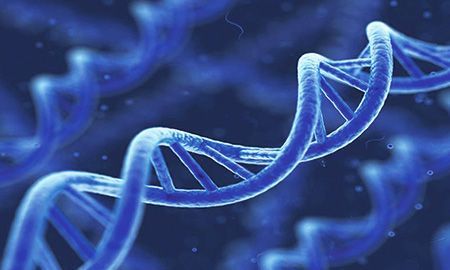
DIY (do-it-yourself) data tracking makes recording your health and future state of well-being accessible and affordable in the comfort of your own home, or with your smartphone in-hand. These products come in the form of medical kits, vitamins and iPhone accessories with corresponding apps.
ELYSIUM
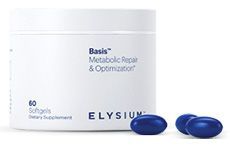
Elysium is an anti-aging startup that believes the process of aging can be slowed by tweaking the body’s metabolism. Elysium was recently founded by MIT biologist, Leonard Guarente, who created Basis, a pill that is to be taken daily as a dietary supplement. Elysium is conducting a trial experience due to the chemical make-up of the pill which does not require FDA approval.
23ANDME

23andMe is a genetic kit that uses a swab test developed for the purpose of learning what percentage of your DNA is from populations around the world, finding long-lost relatives, and simply educating yourself about your ancestry.
KINSA
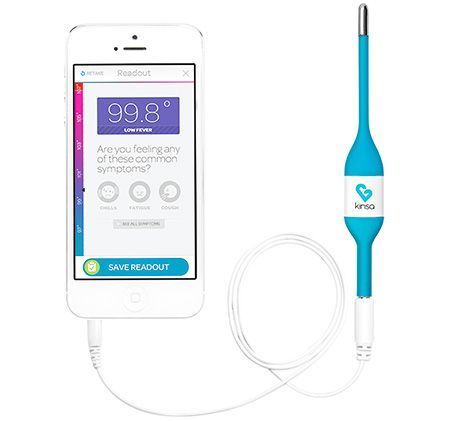
The Kinsa Smart Thermometer and App is a plug-in accessory for the iPhone. The purpose is to alert and inform your doctor of your symptoms in an organized and efficient way, without having to make a trip to the doctor’s office. It allows you to monitor symptoms and medications taken, record the progression of your family’s health with photo documentation, and keep an eye out for the health status of the neighborhood with the Under-the-Weather map function.
Apple Research Kit is an open-sourced medical collective that will launch this month. This new iOS software allows individuals to use their iPhone as a health tool for check-ups and volunteer research studies.
The touch screen offers the tapping test, where the rhythm is timed in order to detect symptoms of Parkinson’s disease, among other ailments. The voice recorder can be used to record vocal variations, while also testing physical balance. The purpose is to build a community among users and researchers, which would have otherwise been a long distance between patients and testing laboratories.
THERMAL FABRICS
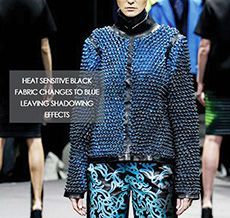
Not only was Alexander Wang’s F/W 14/15 collection consistently functional, it showcased a higher form of innovation through its tech-savvy and resourceful fabrics. Wang was one of the first designers to incorporate climate control fibers into the materials of his collection, which functioned as heat-sensitive fabrics turning into a black color whenever a heated area on the body was censored. This high-tech display inspires and demands mass brands to reproduce the same concept for daily weather conditions.
ENERGY ADDICTS JEWELRY
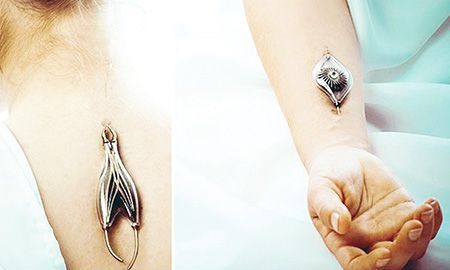
These conceptual designs by Naomi Kizhner were never actually produced, but they were meant to provoke discussion of what humans will do when they are in need of electricity or battery to charge their smart phones. The jewelry is modeled to plug into one’s veins to harvest energy in the bloodstream and turn it into electricity or kinetic energy.
NPOWER PEG
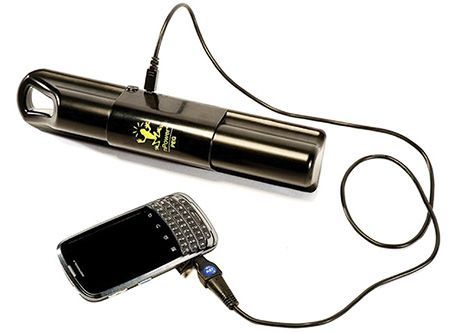
This pole-like accessory is the first human-powered charger that can be taken anywhere. Whether hiking a mountain, riding your bike, or jogging, the nPower PEG (Personal Energy Generator) collects the energy exerted while walking or exercising to later be used to charge a tech accessory through its USB plug.