Topping off your winter look
By Todd Sample
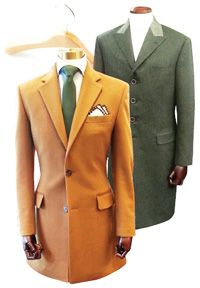
When it comes to winter outerwear, pricey down parkas have been all the rage for the past several years. These bulky anoraks, many of which can cost what amounts to half a month’s salary for many people, are usually adorned with brightly colored brand logos and topped off with a fur-lined hood. For a casual day out in the cold or when headed to the ski slopes, few garments can compete with duck or goose down winter parkas for warmth.
But what should be worn on cold days when we need to look more formal? For certain, the correct answer is not a down parka. That said, there are several options which can keep us looking stylishly formal while staying warm at the same time.
Let’s start with the overcoat and its slightly lighter cousin, the topcoat, both of which are usually made from wool, a wool/cashmere blend, or 100 percent cashmere for extra warmth. Although overcoat styles change with the times, one can’t go wrong with a single or double breasted coat that reaches down to just above the knees. Size-wise, as is true with a jacket, getting the width of the shoulders correct is essential. For a top coat, this means the shoulders should be just slightly wider than the coat to avoid looking like a linebacker.
While shopping for coats, you will find that the length of the V-shaped gap between the lapels differs. Coats with a V that stretches lower down the torso will have to compensate for the open space with a thin wool or cashmere scarf, ideally one whose color contrasts nicely with the tone of the coat. The look of your overcoat will also differ depending on the number of buttons it has. Common button styles for a single breasted coat are two or three, while for a double breasted coat, either a four-by-two or six-by-two button layout is best.
Pockets on an overcoat are typically hidden, have a flap and are similar to those on a suit jacket. One more casual variation of an overcoat is the polo coat, which is made with so-called patch pockets or external pockets which look like they were attached to the garment like a patch. For a little extra flair, pockets on an overcoat may be angled slightly up, or you may opt to add a smaller ticket pocket above one of the coat pockets for a more classic look.
For those looking to add a younger and more modern touch to their winter overcoat look while still remaining just on the right side of formal, a colorful padded vest may be just what the style doctor ordered. With the latest technology enabling these vests to be thin and thus not too bulky to wear under an overcoat while retaining the qualities that make them warm. The myriad colors such vests come in add a distinctive point which can be seen just above the coat’s top button. To ensure that they don’t add too much color and overwhelm the overall look, it is recommended that a thin padded vest be paired with a neutral tone coat such as a medium to dark charcoal grey or a basic navy. In the case of a camel coat, just let the natural beauty of this classic color speak for itself and forego the down vest.
While on the topic of colors, this writer strongly advises against selecting black for one’s overcoat. Instead, go for an unorthodox coat color like forest green or even burgundy. Worn more often in the last several years by the sartorially inclined have been coats made of Casentino, a wool blend which has its origins in Italy. In addition to coming in vibrant colors, the texture of Casentino fabric is unique in that it is covered in tiny nubs which create almost a three-dimensional effect.
Winter is drab enough without having to see people trudging about in an uninspired black overcoat. This year, add some color and texture to your look with one of the many styles of overcoats available on the market or from your favorite local tailor.
Todd Sample is the president of Well Dressed Men's & Women's Tailoring and a 19-year resident of Korea.