What's deep inside consumers' minds

Japanese brand strategist Masato Hosoya
'Brand Story' tells businesses to sell touching stories
By Kang Hyun-kyung
Consumers no longer just consume goods. They consume the stories behind them.
To appeal to enlightened consumers, Japanese brand expert Masato Hosoya says businesses need to do some extra work ― they need to sell their stories and present their brands in a way that provokes thought among customers.
Hosoya, author of “Brand Story Design,” defines consumers as people who are willing to pay more once certain brands strike a chord with them or meet their needs, such as a desire to learn about something new.
No longer satisfied with information given by producers, consumers are eager to know more about products and want to hear touching and inspiring stories.
If business leaders or branding experts fail to grasp or fathom this new consumer landscape, the author says their brands are likely to struggle.
Hosoya references Sapporo-based confectionery company Ishiya as one of the most successful cases of branding strategy.
“In 2013, Ishiya opened three stylish stores in Sapporo simultaneously. They are whole new stores very different from traditional shops in the region. The cafe is crowded with young women and among others, hot cakes became a hit item,” the author says.
After the Fukushima nuclear crisis, Hajime Ishimizu, president of Ishiya, came up with an idea for the identity of his cookies ― Ishiya cookies are part of Hokkaido and thus the confectionery can inspire fond memories about the region.
As part of his vision, Ishiya paid more attention to the fancy packaging of the cookies and chocolates so visitors would be tempted to purchase them as souvenirs.
The confectionery company also built a park that houses cafes and shops, and a football field in the neighborhood. Players of the Hokkaido-based football club Consadole Sapporo have since used the field when they practice.
With the football field project, Ishiya wanted the local community to know the company supports the local football team.
“Football fields are where locals have fond memories because they cheer for the local football club. This is the case for the park too,” Ishimizu was quoted as saying in the book.
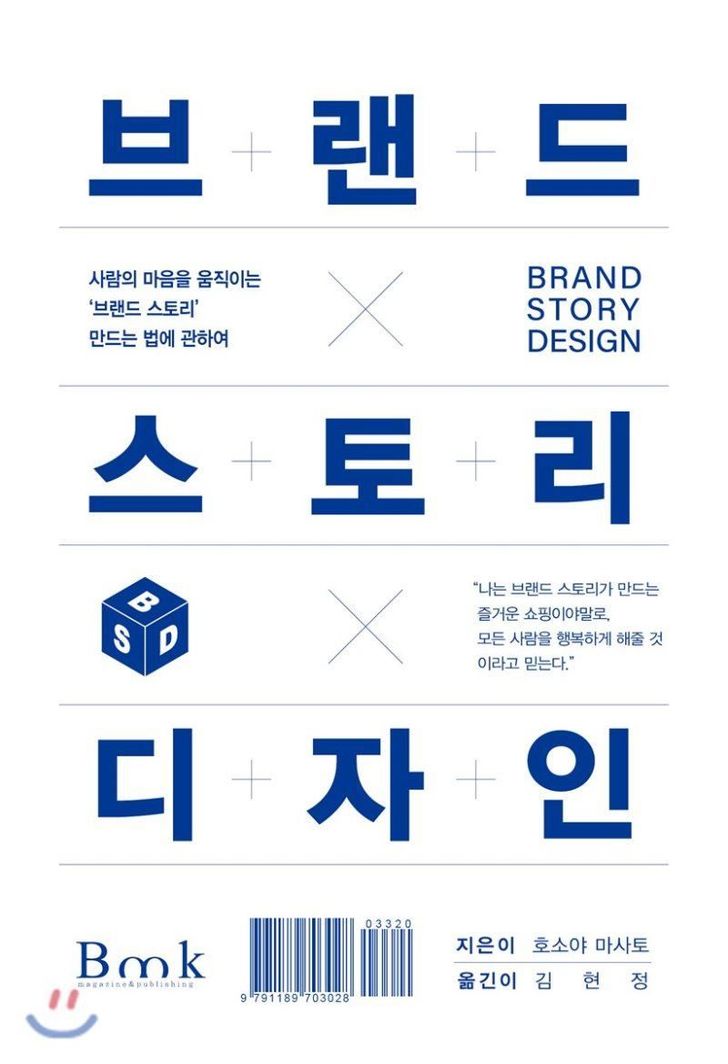
“Brand Story Design” by Masato Hosoya
Ishiya's business experiments turned out to be successful. Ishiya cafes and shops are crowded all the time and popular particularly among young women. The fancy packaging of their baked goods attracted the locals, who had never previously tried Ishiya cookies, to their stores. Locals visit again and again.
Hosoya says Ishiya was able to post higher sales because the business successfully convinced the locals that it is part of the Hokkaido community and willing to take on its role through the park and football field projects.
The Fukushima nuclear accident in March 2011 was a turning point for the Japanese cookie maker, leading Ishiya management to realize the importance of domestic consumers.
Before the nuclear meltdown, Ishiya cookies were popular among foreign tourists. Locals were aware of the popularity of the cookies, but few of them consumed them.
The confectioner's weak foothold among local consumers posed a threat to the business after the nuclear crisis.
Japan saw a sharp fall in inbound tourists for a while after the Fukushima nuclear meltdown as radiation fears continued and food safety emerged as an issue.
Ishiya suffered a lot more because its income sources relied heavily on foreign tourists.
The European-style cookie Shiroi Koibito has been one of the must-buy items for tourists for several decades since it was unveiled in 1976. The cookies were served in Japanese airlines' in-flight meals and sold in tax-free shops at airports.
The Fukushima nuclear meltdown put the business in trouble but the cookie maker was able to turn the tide with its new branding strategy.
Ishiya is one of the 14 Japanese companies introduced in “Brand Story” as successful businesses having sold their products through innovative branding strategies. The 13 others include Japanese airliners and Kirin beer.
“Brand Story” was initially published in 2014 in Japan and it was translated recently into Korean. Hosoya contributed his stories for Nikkei Design magazine and selected 14 of them for his book.
The author said his book was published when social media and digitization dominated the nation.
“It was said digital communication would become mainstream,” he told The Korea Times. He said he was not convinced because people's experiences and perceptions still matter when they choose certain goods.