'Despite pandemic, people still interact with each other'
Artistic director speaks about her team's dance film
By Park Ji-won
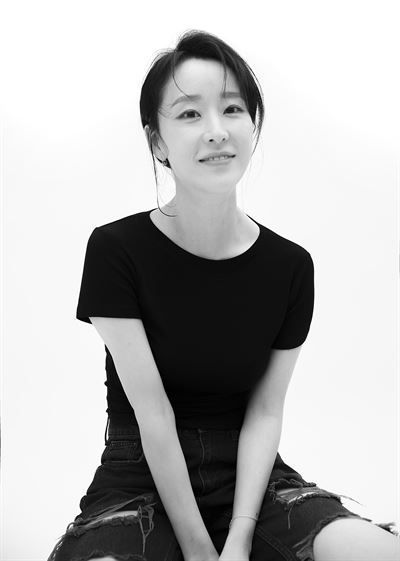
Kim Bora, artistic director of Art Project BORA
Kim Bora, artistic director of the contemporary dance company Art Project BORA, has released the video “The Body, Reset to Zero,” an experimental contemporary dance work on COVID-19.
In the video, the dancers urge audience members to think about the meaning of body, space and privacy during the pandemic.
The team has been one of the most sought-after troupes and they are popular among overseas festival organizers. Every year, they travel to at least five countries to perform. Some may call the members a feminist dance group, but this is not an accurate description and they perform as a group seeking to break gender boundaries.
The 40-minute video was presented online as the opening work of the 23rd Seoul International Dance Festival (SIDance), which was streamed online this week. In the video, eight dancer-choreographers present independent works inspired by their experiences during the pandemic at Mary Hall of Sogang University.
What differentiates this from other performance videos is that it includes not only dance but also the dancers talking about their work and experiences.
Audiences can see dancers answering questions commonly asked to help track the spread of the coronavirus. Some dancers even reveal their phone numbers or home addresses.
“Our spaces were limited because of COVID-19. I think the stage and our bodies are inactive, not dead during this time. I was thinking about ways to awaken them. I also realized that we have to share our personal information wherever we go because of the virus. I wanted to question the boundaries of the privacy invasion occurring in our body, in the theater and in other social spaces. We tried to include our own experiences in the performance,” Kim said during an interview with The Korea Times near the company's studio in Seoul, Wednesday.
“We are now being asked some questions. If another virus hits us, we may be obliged to share more of our personal information. What is important in this work is to show that we can meet people in society through questions and answers related to personal experiences. The questions may be normal, but the answers are something private.”
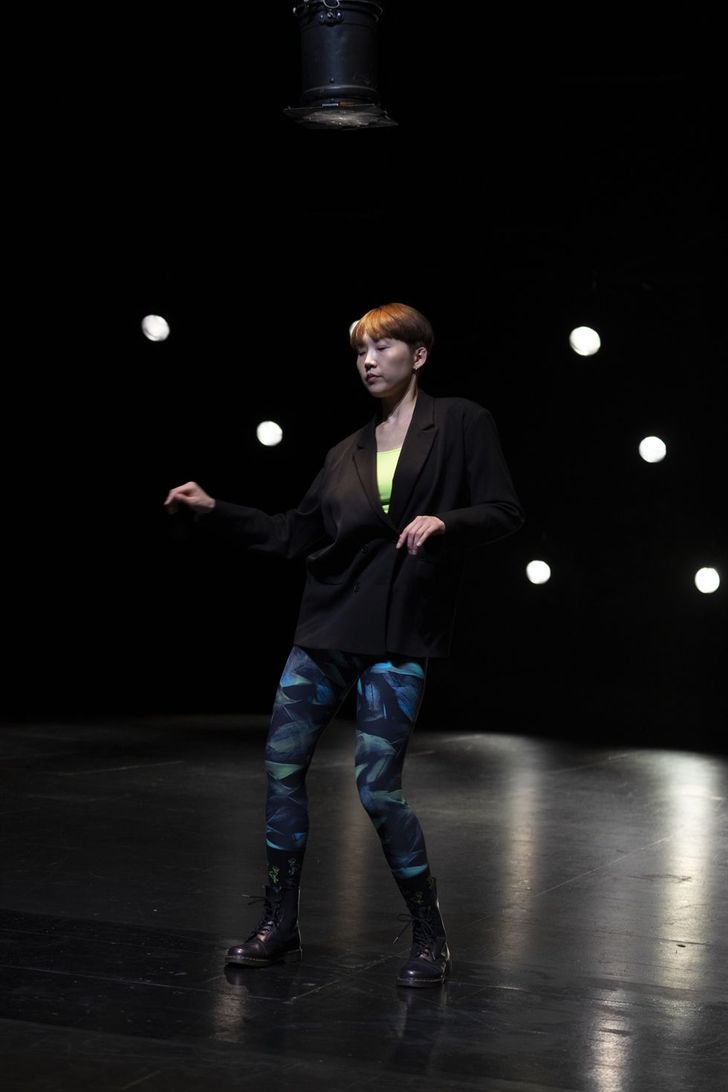
A scene from “The Body, Reset to Zero” by Art Project BORA
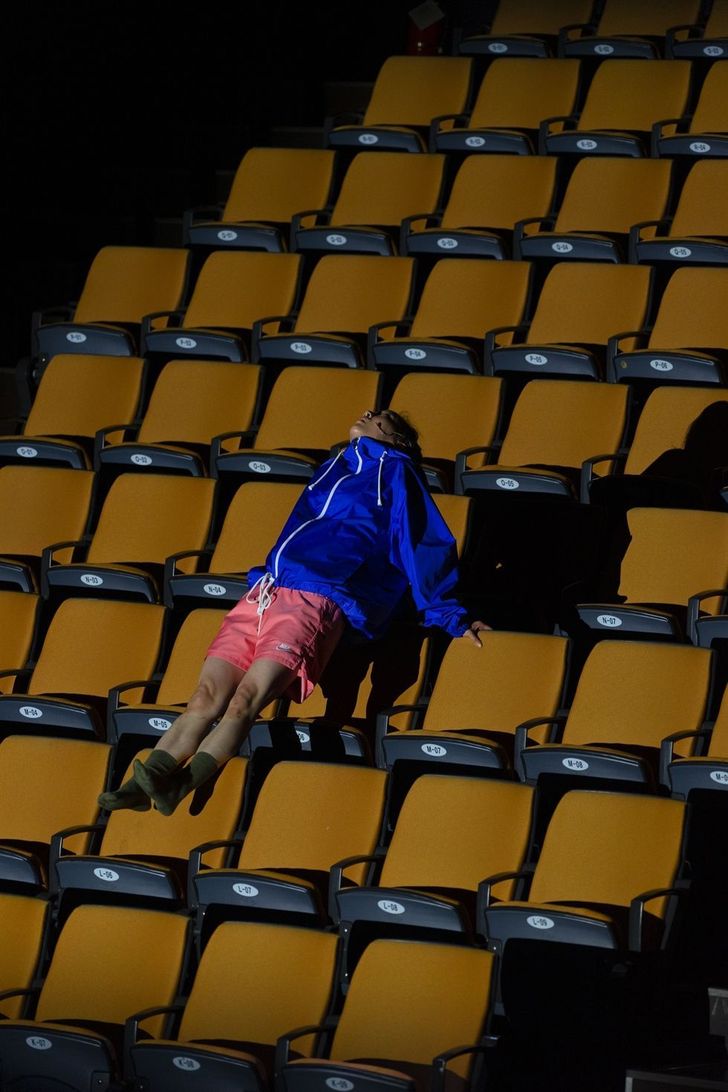
A scene from “The Body, Reset to Zero” by Art Project BORA
Due to the pandemic, she had to work with all eight dancers through online channels most of the time, filming each performance, separately, which became a motif for the work itself.
The video also shows the dancers from multiple camera angles and overlapping editions between footages, which is something new for choreography videos released for online dance festivals, because many of them simply project streamed live performances.
Kim said “What we did may be seen as both a live dance and a dance film. It is located somewhere in between the two … As it was my first film, I wanted to give a certain messages rather than displaying a series of dances.”
She said making a film is not the same as coming up with choreography because film editing can make big changes. But she added in terms of making one sequence of artwork, it is pretty much the same.
“When coming up with choreography, I link meaningful images with other images. Film editing also needs some important scenes to connect other scenes. The two forms of art, choreography and film, are different, but the way of coming up with the outcome were not that different.”
Discussing her decision to incorporate speech, she said: “I was very cautious of using language because I prefer non-verbal art forms… Language also can be limiting. But this pandemic can be linked to so many people and that is the biggest aim of this performance, to match with others. So I wasn't too worried about using language… I hope audiences can see the videos as if they are seeing a show and find some points linking with performers as we have some similarities and differences in thoughts and experiences during the pandemic.”