How ‘Culinary Class Wars’ delivered back-to-back hits
Choi Kang-rok, Hou Deok-juk and fellow chefs touch viewers’ hearts
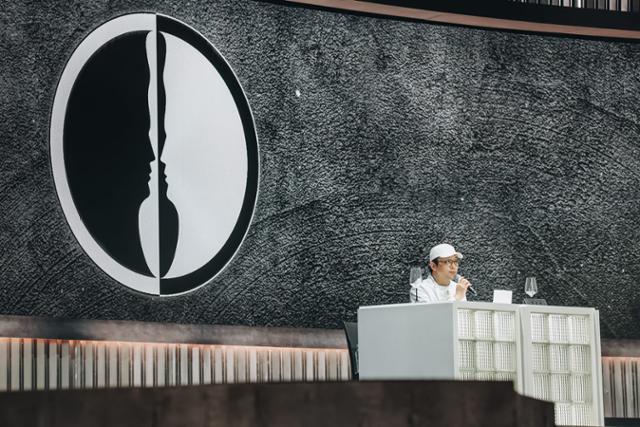
Chef Choi Kang-rok watches the semifinal round after securing a spot in the finals of "Culinary Class Wars Season 2." Courtesy of Netflix
Netflix’s cooking competition series "Culinary Class Wars 2," which concluded on Jan. 13, topped the global Top 10 chart and generated widespread cultural buzz. The season has emerged as a textbook example of how to build a successful multiseason franchise.
Launched amid high expectations as well as lingering doubts, the second season avoided the common sequel slump. Instead, it matched — and in some respects deepened — the impact of its predecessor. A closer look reveals three core factors behind its success.
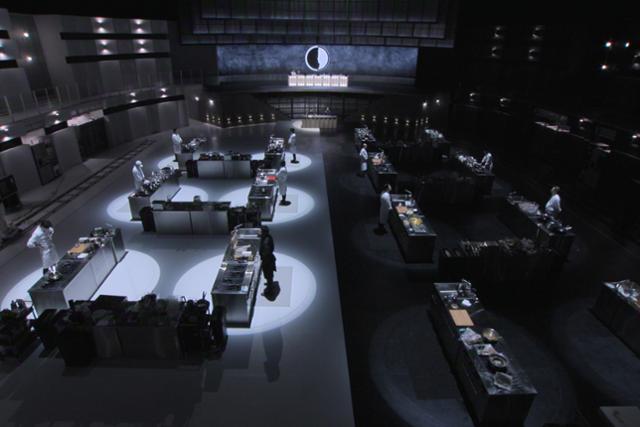
Chefs who teamed up a round earlier face off as rivals in "Culinary Class Wars 2." Courtesy of Netflix
From teammates to rivals: unpredictability as design
One key driver was the show’s deliberate embrace of unpredictability in its missions and rules. From the opening episode, the series set the tone by unveiling two “hidden white spoon chefs,” bringing back Season 1 contestants Choi Kang-rok and Kim Do-yun.
The team battle between the Black Spoon and White Spoon chefs came with a drastic condition: total elimination upon defeat, meaning the entire losing team was sent home at once. In another twist, chefs who had worked together in pairs were later forced to face one another as opponents, turning collaboration into rivalry. These reversals compounded the suspense and sustained viewer engagement.
Popular missions — such as a blind tasting challenge that pitted Black Spoon and White Spoon chefs directly against one another, and the “endless cooking hell” challenge, which required chefs to produce multiple dishes from a single ingredient — were retained and expanded in scale.
“Instead of overturning everything, we focused on making it more complete,” said Kim Hak-min, the producer for both seasons. “The missions were designed to elevate the show’s entertainment value.”
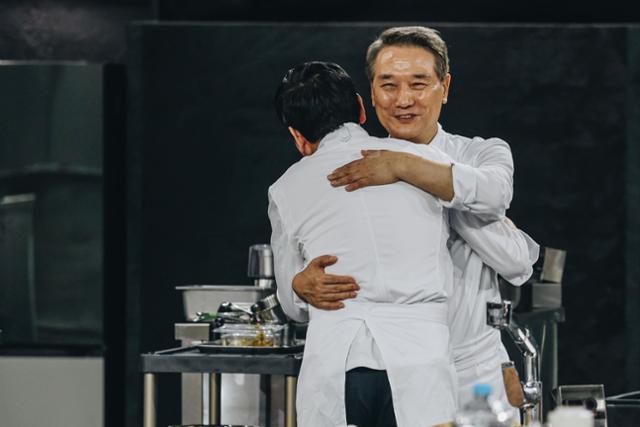
Chef Hou Deok-juk embraces a junior chef after their matchup in "Culinary Class Wars 2." Courtesy of Netflix
Veteran White Spoon chefs and the appeal of 'real adults'
More than any structural choice, however, the season’s emotional weight came from its cast. While the underdog narrative of the lesser-known chefs receded somewhat, the stories and personal philosophies of veteran White Spoon chefs moved to the foreground.
As producer Kim Eun-ji put it, “The production team builds the framework, but the narrative is filled in by the 100 chefs.” In nearly every episode, memorable moments emerged outside the planned narrative structure, shaped instead by the chefs’ experiences, philosophies and competitive mindset.
Park Hyo-nam, a French cuisine veteran with 47 years of experience, offered heartwarming encouragement to his Black Spoon counterpart, Tommie Lee — known on the show as “French Papa” — ahead of their one-on-one challenge.
“I hope he surpasses me and becomes the best chef,” Park said. “I want him to stand on my shoulders and fly higher.”
Another widely shared moment featured Chinese cuisine master Hou Deok-juk, the oldest contestant with 57 years in the kitchen. During a team challenge, he quietly stepped back, followed younger chefs’ instructions and even handed over his personal knife without hesitation. The scene sparked the online phrase “Hou Deok-juk-style thinking,” shorthand for generosity and a willingness to take on difficult work for the sake of the team.
Cultural critic Jung Deok-hyun said these moments resonated beyond the show. “People responded to the image of someone who doesn’t posture despite their status, who willingly steps aside for the next generation,” he said. “It reflects a broader desire for that kind of adulthood in society.”
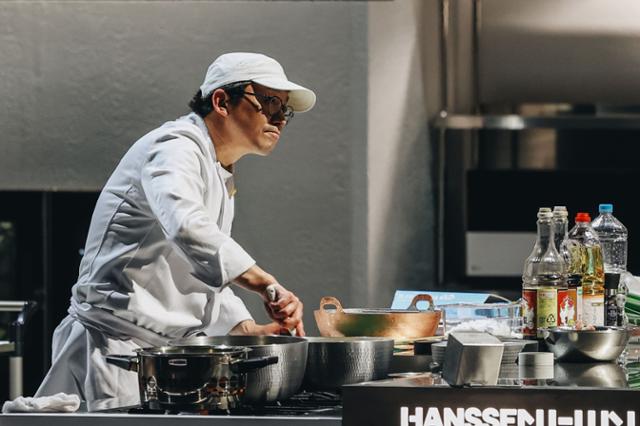
Chef Choi Kang-rok prepares his final dish during the finale of "Culinary Class Wars 2." Courtesy of Netflix
Choi Kang-rok’s finale resonates with everyday people
Choi Kang-rok, who went on to win the competition, left a lingering impression in the finale with a performance that offered quiet warmth and empathy to ordinary people.
Instead of showcasing the braised dishes that had defined his career even beyond the show, Choi presented a simple sesame tofu soup, fulfilling the theme of “a dish for me.”
“I was the Braise Man, the Serial Braiser, Mr. Braise,” Choi said, referring to his nicknames. “But I wasn’t actually good at braising. I just pretended to be.”
“Braising is something I do for others,” he added. “So I didn’t want to do it for myself.”
Jung said the choice was symbolic. “Survival shows mirror a hypercompetitive society, squeezing people until only one remains, much like endlessly reducing ingredients in a braise,” he said.
“By rejecting braising at the end, Choi symbolically let go of that obsession with competition.”
Jung added that Choi’s narrative ultimately unified the season, subsuming earlier controversies and noise into a single, coherent emotional arc.
This article from the Hankook Ilbo, the sister publication of The Korea Times, is translated by a generative AI system and edited by The Korea Times.