At 85, Kim Hye-ja returns to film after turning down role 6 times
Summary
Kim Hye-ja returns to film as elderly Sun-ok in Song Il-gon’s “Still Shining,” which opened Wednesday and marks her first film in nine years. She accepted the role after turning it down six times, persuaded by the film’s focus on the victims’ youth, aspirations and lives before tragedy. The story follows Sun-ok and Jeong-im, friends separated in 1942 when Jeong-im is forcibly taken away.
Key Facts
- Kim turns 85 on Oct. 25 this year.
- The film’s teenage characters are played by Park Seo-kyung and Choi Ju-eun, while Cha Mi-kyung plays Jeong-im as an older woman.
- Of the 240 victims officially registered with the Korean government, only five remain alive.
- Kim missed the Oct. 15 press screening at Megabox Coex in southern Seoul because of a cold and sent reporters a handwritten letter explaining her decision.
- “Still Shining” is rated for audiences 12 and older.

Kim Hye-ja / Courtesy of Plus M Entertainment
“I just want to be like a nameless wildflower.”
That was what veteran actor Kim Hye-ja told director Song Il-gon last year when he visited her home in Yeonhui-dong, western Seoul, to ask her to star in his new film.
Song, whose films include “Picnic” (1999), “Flower Island” (2001) and “Always” (2011), was developing a movie about victims of Japan’s wartime sexual slavery, and Kim was his first choice for the lead role.
But Kim turned him down.
“I've never played a role like this before, and I'm scared, so I don't want to do it,” she said.
Song persisted, even writing her a lengthy letter. After six attempts, Kim finally agreed.
The result is “Still Shining,” which opened Wednesday and marks the actor's first film in nine years, since “The Way” in 2017. She turns 85 this year on Oct. 25.
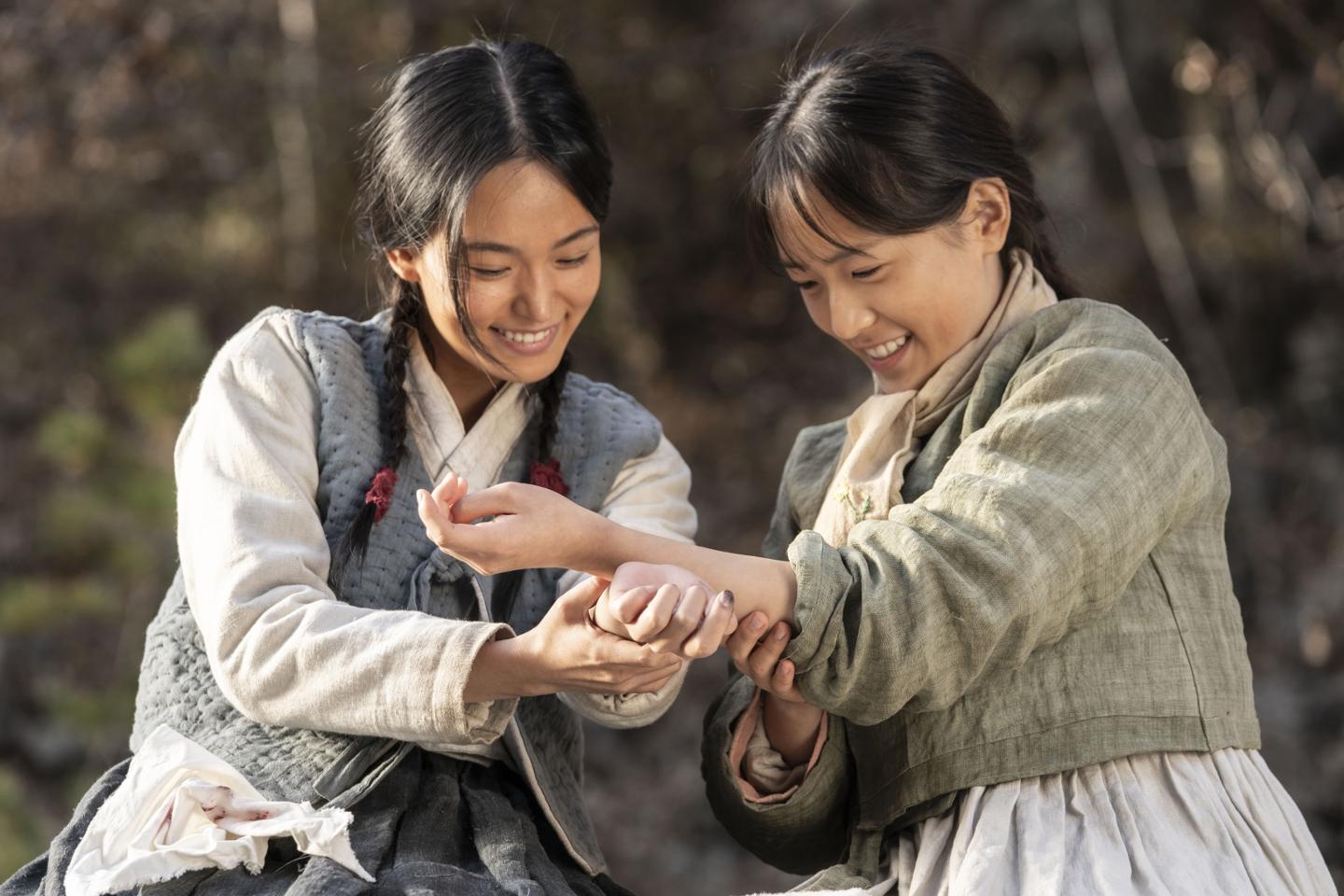
A scene from "Still Shining" / Courtesy of Plus M Entertainment
What changed her mind was the way the film chose to remember the victims.
“Still Shining” follows Sun-ok and Jeong-im, two 18-year-old girls living in a remote mountain village in 1942. Played in their youth by Park Seo-kyung and Choi Ju-eun, the inseparable friends spend their days gathering firewood and wild greens in the mountains while dreaming of someday moving to Seoul. Jeong-im wants to become a singer, while Sun-ok dreams of running a theater company.
Then rumors begin spreading through the village that girls are being taken away under the pretense of employment at factories in Japan. The friends hide together in a secluded place, but their lives are abruptly torn apart when Jeong-im is forcibly taken away.
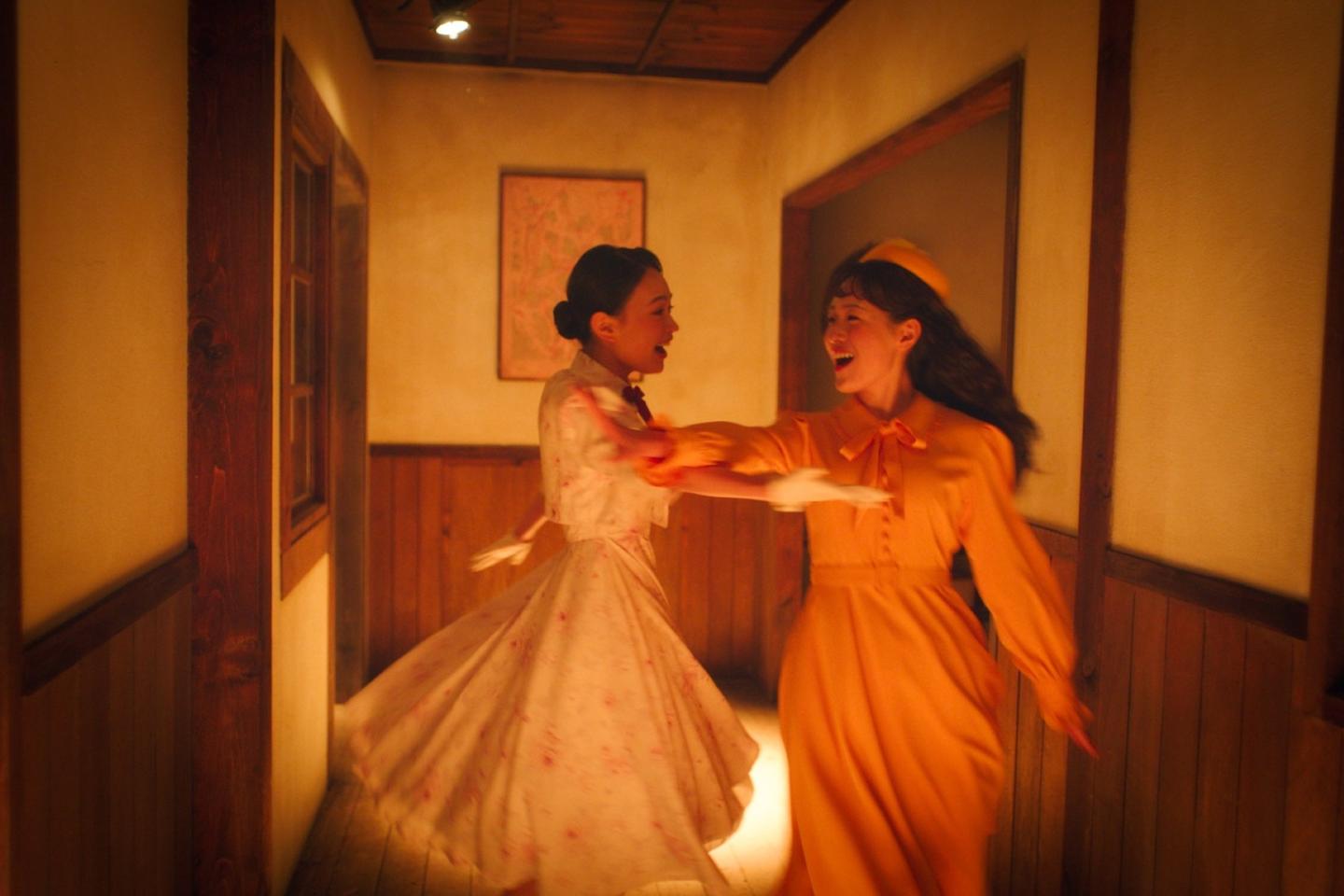
A scene from "Still Shining" / Courtesy of Plus M Entertainment
The film moves between the two teenagers and the women they become six decades later. Kim plays the elderly Sun-ok, while Cha Mi-kyung plays Jeong-im.
Sun-ok spends her life unable to escape the guilt of having survived while her friend was taken away as a so-called “comfort woman,” a euphemism for victims of Japan's wartime sexual slavery.
Yet rather than dwelling primarily on the guilt of those left behind, the film devotes much of its attention to the victims' youth, aspirations and lives before tragedy engulfed them. In imagined musical sequences, Sun-ok and Jeong-im sing and dance exuberantly, as if they had really made it to Seoul and fulfilled their dreams.
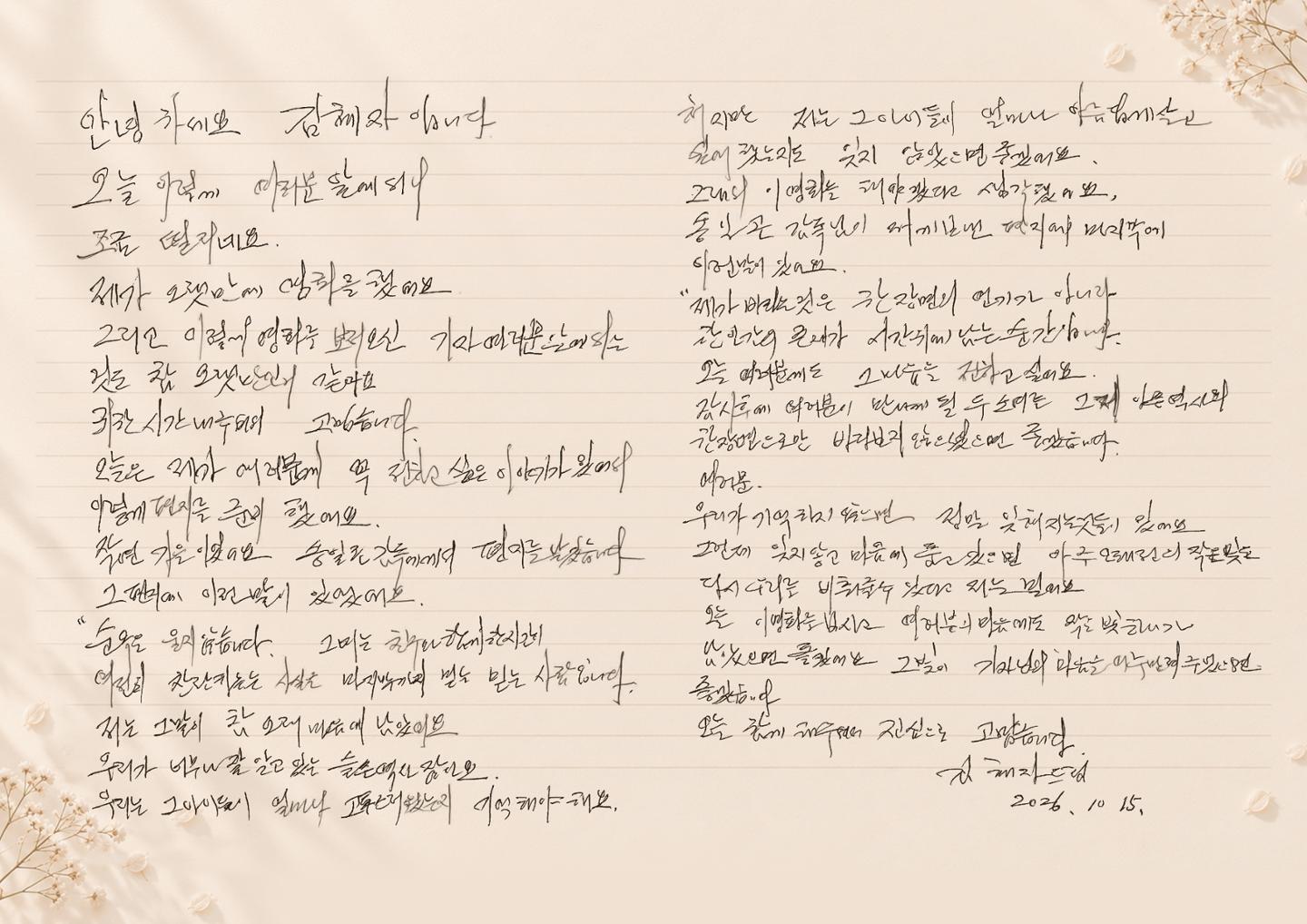
A handwritten letter from actor Kim Hye-ja, who plays Sun-ok in the film “Still Shining,” to reporters / Courtesy of Plus M Entertainment
That perspective ultimately persuaded Kim to accept the role.
Kim was unable to attend a press screening at Megabox Coex in southern Seoul on Oct. 15 because of a cold, but sent reporters a handwritten letter explaining her decision.
“We must remember how much those girls suffered,” Kim said. “But I also hope we don't forget how beautifully they wanted to live. That's why I decided I had to make this film.”
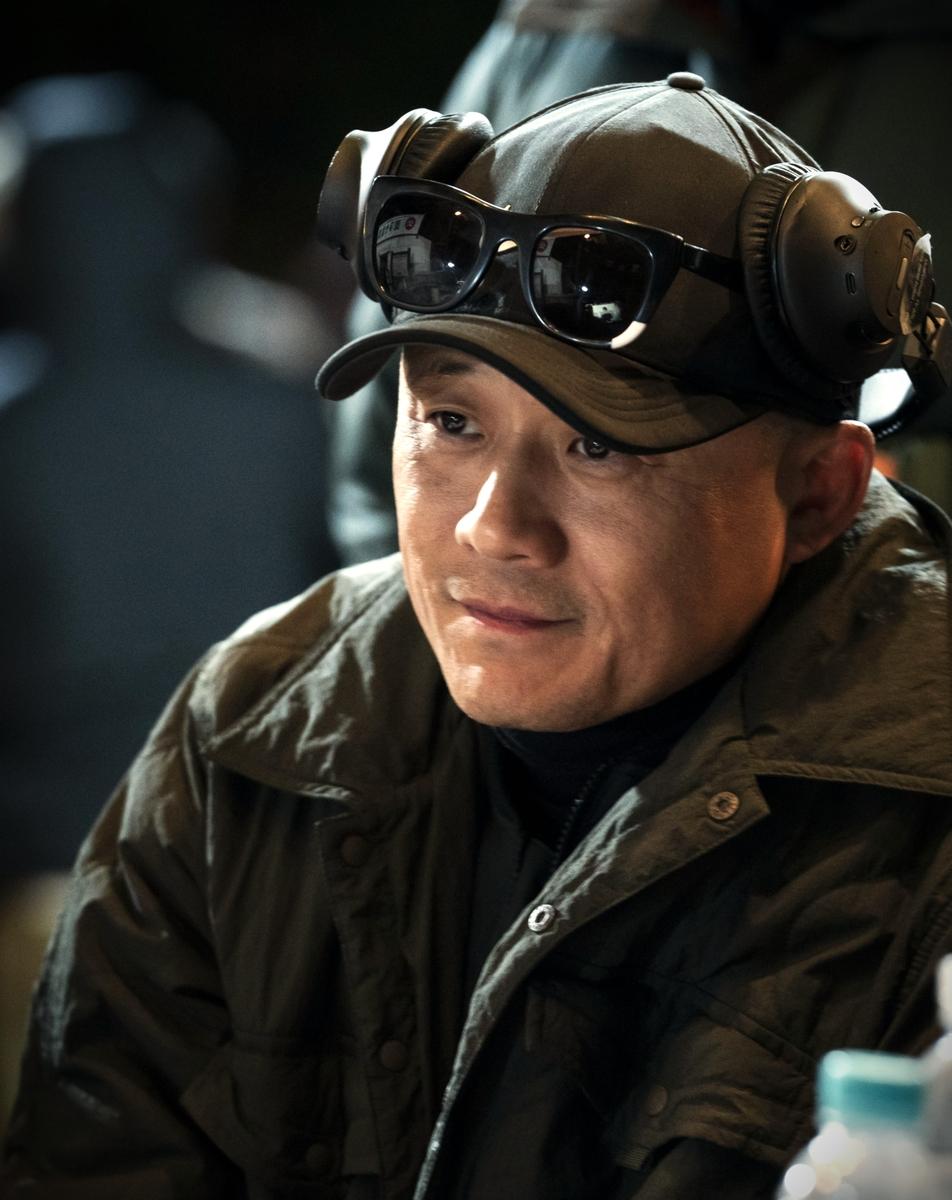
Director Song Il-gon / Courtesy of Plus M Entertainment
Song's letter to Kim also played a role.
“There was a line in the letter: ‘Sun-ok does not cry. She is someone who believes until the very end that the time she spent with her friend is still shining,’” Kim said. “Those words stayed with me for a very long time.”
“I hope people don't see these two girls merely as one painful scene in history,” she said.
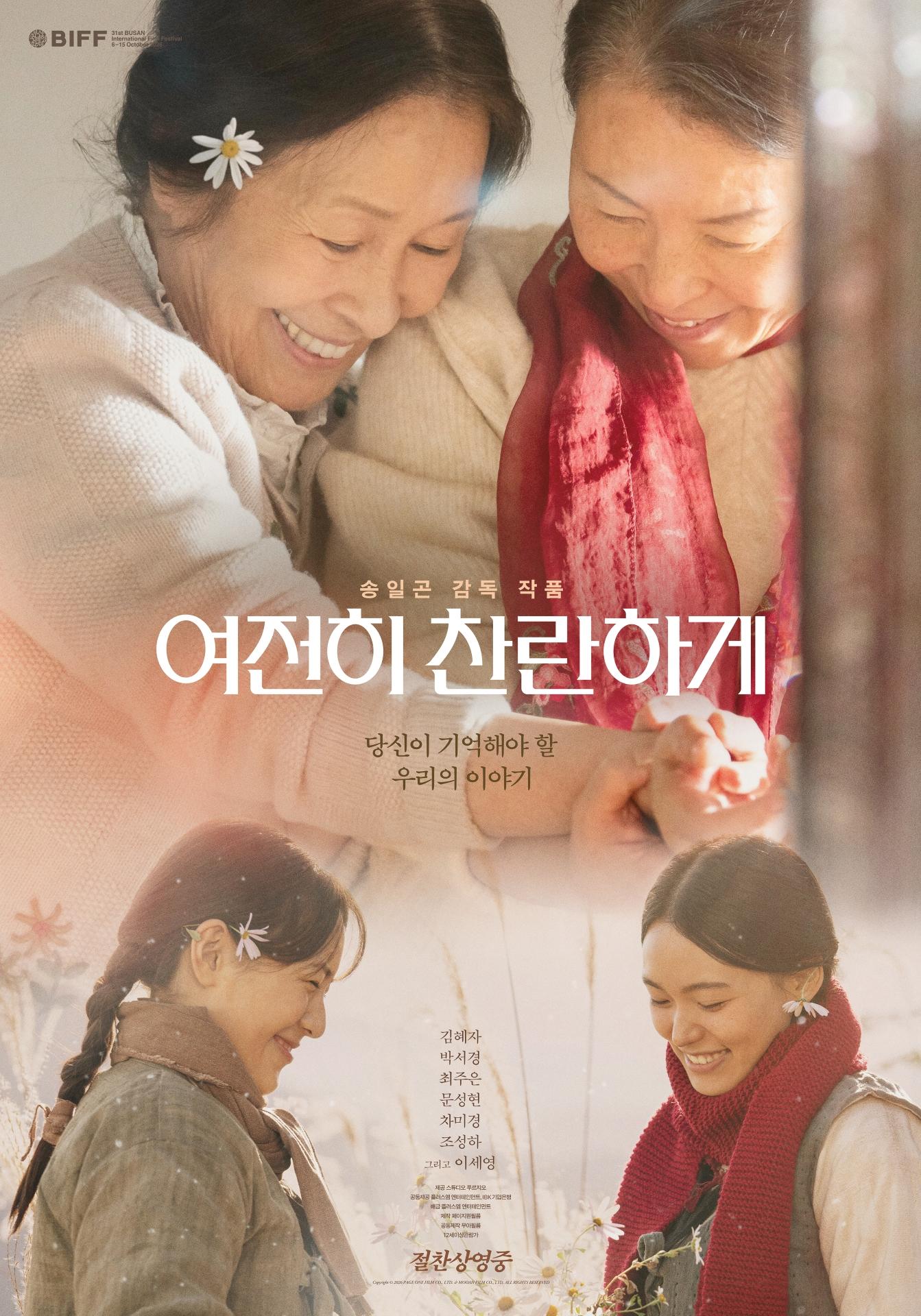
A poster for "Still Shining" / Courtesy of Plus M Entertainment
Indeed, “Still Shining” seeks to bring victims of wartime sexual slavery out of the confines of distant historical tragedy and place them beside the audience as talented, warmhearted friends with ordinary dreams.
“Wartime sexual slavery is a subject that still needs to be explored from many different perspectives,” Song said during an interview at a cafe in Jongno District, central Seoul, on Monday.
Of the 240 victims officially registered with the Korean government, only five remain alive.
Kim's portrayal of the pain carried by those who survived is restrained but powerful. Song said that once she decided to take the role, Kim immersed herself in the character to a degree that surprised even him.
“She never treated a single word casually,” Song said. “She repeated the line, ‘When did you get here?’ dozens, even hundreds of times as she searched for the character.”
He said he was particularly struck while filming Kim's final lines.
“I got chills, thinking, ‘How can someone make an expression like that?’” Song said. “It is the most beautiful close-up I've ever filmed.”
“Still Shining” opened Wednesday and is rated for audiences 12 and older.
This article from the Hankook Ilbo, the sister publication of The Korea Times, was translated by a generative AI system and edited by The Korea Times.
Explore More
- Q.
- Q.
- Q.